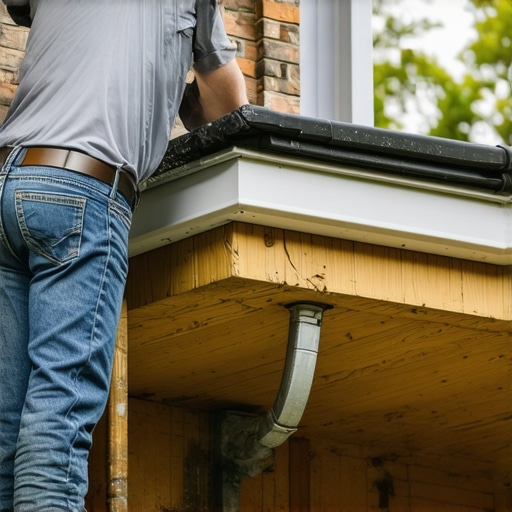
Unveiling the Critical Role of Proper Drainage and Gutter Maintenance in Modern Home Protection
In the realm of advanced home maintenance, understanding the nuanced interplay between drainage systems and structural integrity is paramount. As an industry expert, I recognize that efficient drainage and gutter repair are not merely routine tasks but strategic investments in long-term property preservation. Properly functioning gutters prevent water infiltration, mitigate foundation risks, and enhance overall resilience against weather-induced damages.
What Are the Most Overlooked Aspects of Gutter System Optimization?
How can complex gutter configurations influence drainage efficiency and home safety?
In professional practice, the design and installation of gutter systems must account for terrain variations, rainwater volume, and debris management. Poorly aligned or undersized gutters can cause overflow, leading to soil erosion and basement flooding. Advanced solutions involve seamless gutter systems, strategic downspout placements, and innovative materials like aluminum alloys that resist corrosion. For detailed insights into installation strategies, explore expert gutter installation and repair techniques.
Integrating Drainage System Solutions for Sustainable Home Defense
Effective drainage extends beyond gutters to encompass subterranean and surface water management. Incorporating French drains, catch basins, and permeable landscaping can divert excess water and reduce hydrostatic pressure on foundations. Field data indicates that homes with integrated drainage solutions experience significantly lower incidences of water damage. For comprehensive drainage system optimization, consult authoritative resources such as the Journal of Environmental Engineering.
What Are the Latest Innovations in Gutter Repair Technologies?
Are smart monitoring and automated repair systems transforming home drainage maintenance?
Emerging technologies like sensor-enabled gutters and IoT-connected monitoring devices enable real-time detection of clogs, leaks, and structural weaknesses. These innovations facilitate preemptive repairs, reducing costly emergency interventions. Moreover, robotic cleaning tools and UV-resistant materials are revolutionizing maintenance routines. Embracing these advancements ensures that drainage systems operate at peak efficiency, safeguarding your property from water-related threats.
For expert strategies on reliable gutter repair and drainage solutions, visit comprehensive repair guides.
Engaging with professional insights and staying abreast of technological advancements in drainage and gutter systems empower homeowners to make informed, strategic decisions. This proactive approach not only preserves property value but also enhances resilience against changing climate patterns.
Harnessing Cutting-Edge Technologies for Gutter System Optimization
In today’s rapidly evolving home maintenance landscape, the integration of smart technologies into gutter and drainage systems is transforming how homeowners and professionals approach property protection. From IoT-enabled sensors to automated repair solutions, these innovations promise enhanced reliability and proactive maintenance. For those seeking to modernize their drainage strategies, understanding these advancements is crucial.
What Are the Potential Benefits of Smart Gutter Monitoring Systems?
Smart gutter monitoring systems employ sensors that detect clogs, leaks, and structural stress in real-time, providing homeowners with immediate alerts via mobile apps or connected devices. This proactive approach minimizes the risk of water damage, foundation issues, and costly emergency repairs. As noted by industry experts, such systems can significantly extend the lifespan of gutters by enabling timely interventions, ultimately reducing long-term maintenance costs. For comprehensive insights into these innovations, visit expert gutter installation and repair techniques.
Can Automated Repair Systems Revolutionize Home Drainage Maintenance?
Autonomous repair technologies, including robotic cleaning units and UV-resistant materials, are gaining traction among professionals. Robotic gutter cleaners can navigate complex configurations, removing debris and preventing blockages without manual intervention. Meanwhile, UV-resistant coatings protect materials from weathering, reducing the frequency of repairs. These advancements not only improve system efficiency but also empower homeowners to adopt a more strategic, less labor-intensive approach to maintenance. Exploring these developments can provide a competitive edge in ensuring lasting drainage performance.
How can advanced drainage system design principles mitigate climate-related challenges and extreme weather events?
Climate change introduces unpredictable weather patterns, making resilient drainage systems more vital than ever. Incorporating elements such as permeable paving, underground retention basins, and adaptable downspout configurations can mitigate flood risks and manage increased rainwater volumes effectively. According to environmental engineering research published by the Journal of Environmental Engineering, these integrated approaches bolster a property’s defenses against climate-induced water challenges. Employing such innovative design principles ensures that drainage systems remain effective amidst evolving environmental conditions.
If you’re interested in learning more about integrating these advanced solutions into your property, consider consulting with professionals experienced in expert gutter installation and repair services. Sharing insights and experiences in this field can help foster a community committed to durable, sustainable home protection.
Harnessing the Power of Hydrodynamic Modeling for Gutter System Precision
To elevate gutter system design beyond traditional methods, hydrodynamic modeling offers a sophisticated approach, enabling engineers to simulate water flow under various rainfall intensities and terrain conditions. This computational technique allows for precise calibration of gutter dimensions, slope, and downspout placement, minimizing overflow risks and ensuring optimal drainage performance. Integrating these models into the planning phase can significantly reduce post-installation issues, especially in areas prone to intense storms. For a comprehensive understanding, consult the research published by the American Society of Civil Engineers on advanced drainage simulation methods.
Innovative Materials and Coatings for Long-Term Gutter Durability
Material science advancements have led to the development of ultra-durable coatings and composites that extend gutter lifespan and enhance resistance to environmental stressors. For instance, ceramic-infused coatings provide superior UV protection and corrosion resistance, reducing maintenance frequency. Similarly, composites incorporating recycled materials not only promote sustainability but also offer increased strength and impact resistance. These innovations can be game-changers in harsh climates, offering homeowners peace of mind and reducing lifecycle costs. Industry leaders like peer-reviewed studies on advanced coating technologies provide in-depth insights into these materials’ performance metrics.
What Are the Nuances of Implementing Permeable Pavements for Drainage Optimization?
How do permeable surfaces work synergistically with gutter systems to mitigate urban flooding?
Permeable pavements enable stormwater to infiltrate the ground, reducing surface runoff and easing the load on gutter and drainage systems. When strategically integrated with green infrastructure, such as rain gardens and bioswales, permeable surfaces create a resilient, multi-layered defense against urban flooding. This approach not only supports sustainable stormwater management but also enhances groundwater recharge. According to the EPA’s guidelines on green infrastructure, careful planning of permeable zones aligned with gutter outlets can optimize water flow and prevent overwhelm during peak rainfall events.
Exploring AI-Driven Maintenance Scheduling for Gutter and Drainage Systems
The integration of artificial intelligence into maintenance protocols revolutionizes proactive care. AI algorithms analyze data from sensors embedded in gutters and drainage components to predict failure points and schedule repairs precisely when needed. This predictive maintenance reduces downtime, extends system longevity, and minimizes costs. For example, machine learning models can identify subtle changes in water flow patterns indicative of emerging blockages or leaks. As the field advances, collaboration with tech firms specializing in IoT solutions is becoming increasingly vital for modern property management.
Interested in adopting AI-driven solutions? Explore partnerships with companies like SmartDrainage Technologies for tailored systems that maximize your property’s resilience.
Addressing Climate Resilience Through Adaptive Drainage Design
Climate change demands a paradigm shift in drainage system planning. Adaptive design principles incorporate flexible components such as adjustable downspouts, modular catch basins, and underground storage tanks that can be reconfigured as weather patterns evolve. Furthermore, integrating real-time weather data feeds allows systems to respond dynamically, activating or deactivating certain features based on forecasted conditions. The concept of climate-resilient drainage aligns with the recommendations in the IPCC Sixth Assessment Report, emphasizing the importance of anticipatory infrastructure investments.
Engage with industry experts and environmental engineers to develop customized strategies that safeguard your property against the increasing severity and frequency of storm events. Discover more about resilient drainage planning at Green Building Solutions.
Revolutionizing Home Drainage with Hydrodynamic Modeling: Unlocking Precision in Gutter Design
Hydrodynamic modeling represents a leap forward in the customization of gutter systems, allowing engineers to simulate complex water flow scenarios under varying climatic conditions. By harnessing advanced computational techniques, professionals can optimize gutter dimensions, pitch, and downspout placements to ensure maximum efficiency during intense storms. This precision reduces overflow risks, soil erosion, and structural water damage, especially in flood-prone regions. For a comprehensive understanding of these techniques, consult the research published by the American Society of Civil Engineers.
Innovative Material Technologies: The Future of Long-Lasting Gutter Systems
Material science breakthroughs have introduced ultra-durable coatings and composite materials that significantly extend gutter lifespan. Ceramic-infused coatings offer superior UV resistance and corrosion protection, while recycled composite materials enhance impact resistance and sustainability. These advancements are particularly crucial in extreme climates, reducing maintenance frequency and lifecycle costs. Industry leaders such as peer-reviewed studies on advanced coating technologies detail the performance benefits of these innovations.
What Strategic Role Do Permeable Pavers Play in Urban Drainage Enhancement?
How do permeable pavements synergize with gutter systems to mitigate urban flooding?
Permeable pavements facilitate stormwater infiltration, alleviating surface runoff and easing the burden on gutter and drainage infrastructure. When integrated with green infrastructure elements like rain gardens and bioswales, permeable surfaces create a resilient ecosystem capable of managing increased rainfall volumes. This approach not only mitigates urban flooding but also promotes groundwater recharge, aligning with the EPA’s guidelines on green infrastructure (EPA’s green infrastructure resources).
Artificial Intelligence in Gutter Maintenance: Predictive and Automated Solutions
The deployment of AI-driven systems has transformed gutter maintenance from reactive to proactive. Sensors embedded within gutter systems analyze water flow, debris accumulation, and structural integrity, providing real-time alerts and predictive insights. This technology minimizes emergency repairs, extends system longevity, and reduces labor costs. Collaborations with tech innovators like SmartDrainage Technologies enable tailored AI solutions for modern property management.
Climate-Resilient Drainage System Design: Preparing for a Changing Environment
Addressing climate change requires adaptive drainage strategies incorporating flexible, reconfigurable components such as adjustable downspouts, modular catch basins, and underground storage tanks. Integrating real-time weather data feeds allows these systems to respond dynamically, activating or deactivating components based on forecasted conditions. As detailed in the IPCC Sixth Assessment Report, such anticipatory infrastructure investments are vital for resilient property protection against increasingly severe weather events.
Utilizing AI and Machine Learning for Maintenance Optimization
Advanced algorithms analyze sensor data from gutter and drainage systems to predict failure points, enabling precise scheduling of maintenance activities. This predictive approach not only reduces downtime and repair costs but also extends system lifespan. Partnerships with technology providers like TechDrainage facilitate integration of these intelligent solutions, fostering smarter, more resilient homes.
Designing Climate-Adaptive Drainage Systems: Embracing Flexibility and Innovation
Incorporating modular, adjustable components such as reconfigurable downspouts and underground storage enhances a system’s capacity to adapt to evolving climate patterns. Real-time weather integration enables systems to modulate their response, improving flood mitigation and water management effectiveness. The principles outlined in the Green Building Solutions initiatives emphasize the importance of such adaptive strategies for future-proof infrastructure.
Implementing Green Infrastructure: The Role of Permeable Surfaces and Bioretention
Permeable pavements, rain gardens, and bioswales work synergistically with gutter systems to create comprehensive stormwater management solutions. These elements facilitate infiltration, reduce runoff, and prevent overwhelm of drainage infrastructure during peak rainfall events. Strategic planning based on the EPA’s guidelines ensures optimal integration, fostering sustainable urban environments (EPA green infrastructure resources).
Envisioning the Future: The Potential of Smart, Connected Drainage Networks
The next frontier in drainage system innovation involves interconnected networks that utilize IoT technology for holistic water management. These systems can coordinate multiple components—gutters, underground reservoirs, and surface features—for optimal performance during extreme weather. By leveraging big data analytics and machine learning, property owners and engineers can create adaptive, resilient infrastructure that anticipates and responds to environmental challenges proactively. Engage with industry leaders and explore emerging solutions to stay ahead in this transformative field.
Expert Insights & Advanced Considerations
Innovative Hydrodynamic Modeling Enhances Gutter Efficiency
Implementing hydrodynamic modeling allows engineers to simulate complex water flow scenarios, optimizing gutter dimensions, slopes, and downspout placements to prevent overflow and soil erosion. This proactive approach minimizes post-installation issues, especially in storm-prone regions, ensuring reliable drainage performance.
Material Science Breakthroughs Extend Gutter Lifespan
Recent advancements in coatings and composites, such as ceramic-infused UV-resistant coatings and recycled impact-resistant materials, significantly improve gutter durability. These innovations reduce maintenance needs, lower lifecycle costs, and enhance environmental sustainability, making them vital for resilient infrastructure.
Smart, Connected Drainage Networks Transform Property Management
IoT-enabled sensors embedded in gutters and drainage systems provide real-time data on blockages, leaks, and structural health, enabling predictive maintenance. This integration reduces emergency repairs, extends system lifespan, and fosters smarter, more sustainable homes.
Adaptive Drainage Design as Climate Change Resilience Strategy
Flexible components like reconfigurable downspouts and underground storage tanks, combined with real-time weather data, create adaptive systems capable of responding dynamically to changing environmental conditions, thus safeguarding properties against extreme weather events.
Green Infrastructure Synergy with Permeable Surfaces
Permeable pavements, rain gardens, and bioswales work synergistically with gutter systems to reduce surface runoff, mitigate urban flooding, and promote groundwater recharge. Strategic integration based on EPA guidelines ensures maximum effectiveness during heavy rainfall.
Curated Expert Resources
- Elite Gutter Works Installation & Repair Guides: Comprehensive technical resources for installing and maintaining durable gutter systems, emphasizing innovative materials and design strategies.
- Journal of Environmental Engineering: Authoritative research articles on advanced drainage solutions, hydrodynamic modeling, and climate-resilient infrastructure.
- EPA Green Infrastructure Resources: Practical guidelines and case studies on permeable pavements, rain gardens, and bioswale integration for sustainable stormwater management.
- American Society of Civil Engineers Publications: Cutting-edge research on hydrodynamic modeling and flood mitigation engineering techniques.
- IPCC Sixth Assessment Report: Essential insights into climate change impacts, adaptive infrastructure planning, and resilient drainage system design.
Final Expert Perspective
In the evolving landscape of home protection, mastering advanced gutter and drainage system optimization is essential. Leveraging innovative materials, smart technologies, and adaptive designs enables property owners to proactively address environmental challenges, ensuring long-term resilience and sustainability. For professionals and homeowners alike, engaging with authoritative resources and embracing cutting-edge insights will define the future of durable, climate-resilient infrastructure. To deepen your expertise, consider consulting with specialists experienced in expert gutter installation and repair and stay ahead in implementing resilient drainage strategies.
I really appreciate how this post emphasizes the importance of integrating various drainage solutions, not just gutters but also underground and surface systems like French drains and permeable landscaping. In my experience maintaining a home in a region with heavy rainfall, I found that combining these approaches significantly reduced water intrusion issues over time. I’m particularly interested in how smart monitoring systems can preemptively alert homeowners about potential problems. Does anyone have experience with installing or managing IoT-enabled gutter sensors? It seems like a promising way to catch clogs or leaks early, but I’m curious about the practical challenges involved and the costs. Also, with climate change causing more unpredictable weather, have you found adaptive systems with real-time weather response to be effective in protecting your property? Would love to hear some practical tips or success stories from others who have adopted these technologies.
This is such an insightful post. I recently installed a smart gutter system that includes sensors connected to my phone, which alerts me to clogs or leaks before they become serious issues. In my experience, proactive maintenance like this can really save on costly repairs down the line and provides peace of mind, especially during heavy rainfalls or storms. One challenge I encountered initially was ensuring proper placement of sensors and the initial calibration, but once set up, it’s been a game-changer. I also integrated a small underground French drain system to divert excess water from footing areas, which definitely mitigated some water pooling during heavy downpours.
I’m curious, have others here combined smart technology with traditional drainage solutions? And what are your thoughts on the cost versus long-term savings? I believe that investing in these innovations can truly enhance a home’s resilience against climate extremes, but I’d love to hear more about real-world experiences and recommendations from fellow homeowners or professionals.
I really enjoyed reading this post, especially the emphasis on combining traditional and innovative drainage solutions. Having recently upgraded my gutter system with seamless aluminum gutters and installing a few smart sensors, I’ve noticed a significant difference in how early I detect potential issues before they escalate. It’s quite remarkable how these small tech additions can save money and prevent damage. That said, I did face some initial calibration challenges, but overall, the maintenance becomes much easier compared to manual inspections. I’m also exploring permeable paving options to further reduce runoff, especially during heavy downpours typical of our rainy season here. Does anyone have real-world experience with integrating permeable surfaces with existing gutter systems? I’d love to hear how these approaches have worked in different climates or terrain types, and if anyone has recommendations on best practices for ensuring proper water flow without overwhelming the landscape.