The Sound of Foundation Failure
You hear it before you see it. It is that rhythmic, heavy thudding against the soil during a midnight rainstorm. Most homeowners ignore it, thinking it is just the rain, but to a specialist with three decades in the trade, that sound is a fascia board screaming for help. When water bypasses the gutter installation and sheets off the asphalt shingle gutter edge, it creates a hydraulic hammer that erodes the landscaping and puts thousands of pounds of hydrostatic pressure against your basement walls. I recently stood in a driveway where a beautiful garage gutter installation was rendered useless because the elbow was packed solid. The owner had those cheap brush gutter guards that looked like giant pipe cleaners. Instead of keeping debris out, they acted as a structural lattice for wet oak tassels to weave into a waterproof mat. I pulled out a three-pound plug of decomposed organic sludge that smelled like a swamp, and right there in the middle of it was a sprouted acorn that had actually fused its roots into the crimped seam of the downspout. This is why we don’t just hang metal; we engineer against biology and physics.
“Downspouts shall be sized based on the rainfall intensity of the region and the roof surface area.” – International Plumbing Code, Section 1106
The Physics of the Clogged Elbow
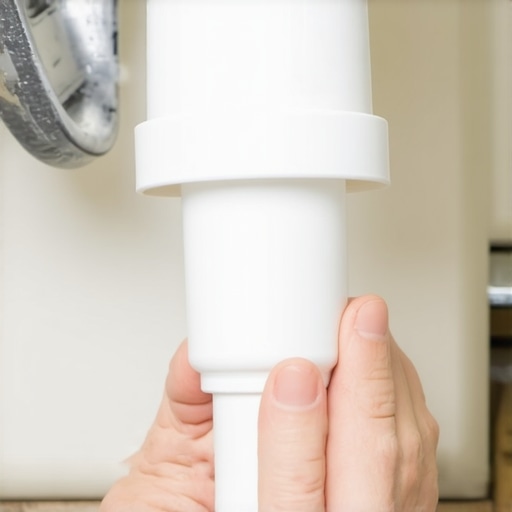
Why does the clog always happen at the elbow? It comes down to flow velocity and surface tension. In a straight run of round downspout services, water gains momentum. But once it hits that first 75-degree bend, the water hits a wall. The velocity drops, and any suspended solids, like asphalt shingle granules or pine needles, settle out of the stream. If you have solar panel gutter avoidance issues, where the panels increase the speed of the runoff, the water hits the gutter with such force that it carries even more grit into those bends. This is where the Toolless Method becomes a lifesaver for the homeowner who actually cares about their soffit health. Instead of using permanent rivets or rusted-out spikes and ferrules, we utilize a friction-fit system with EPDM gutter seals at the joints. This allows a homeowner to snap the leader apart without reaching for a drill, clearing the obstruction before the weight of the water rips the hanger out of the wood.
High-Volume Management and Copper Aesthetics
When dealing with high-end materials like copper patina finishes, the stakes are higher. You aren’t just managing water; you are preserving an investment. Copper is soft, and if a clog causes water to back up and freeze, the expansion will split those expensive seams like a grape. We often see built-in gutter systems on older estates where the pitch was set perfectly in 1920 but has since shifted. A slope of 1/4 inch per 10 feet is the absolute minimum, but in high-debris areas, I prefer to push it to 1/2 inch to keep the leader flushed. If the end cap is leaking, don’t just slap some caulk on it. You need to understand why the water is pooling there in the first place. Is it a miter that was cut poorly, or is the house settling? Water is the most patient predator on earth, and it will find the path to your foundation if you give it even a microscopic opening.
“The drainage system must be designed to handle the anticipated load without overflow that could damage the building envelope.” – SMACNA Architectural Sheet Metal Manual
The Myth of the Maintenance-Free Gutter
Let’s talk about the lie of “never clean your gutters again.” Every system requires gutter cleaning. Even the best guards eventually face the challenge of pollen and microscopic dust that turns into a crusty film. This film breaks the surface tension of the water, causing it to overshoot the gutter entirely. During a heavy “gully washer,” the water moves with such mass that it bypasses the brush gutter guards and pours over the front lip. This is particularly dangerous for garage gutter installation projects where the splash block is often missing, leading to water undermining the concrete slab. By using the toolless elbow method, you make the inevitable maintenance a five-minute task instead of a Saturday afternoon nightmare. You simply pop the miter-connected elbow, flush it with a hose, and snap it back into the hanger. No more stripped screws, no more jagged metal edges cutting your hands, and no more rotted fascia because you were too tired to fight with a ladder and a toolkit.