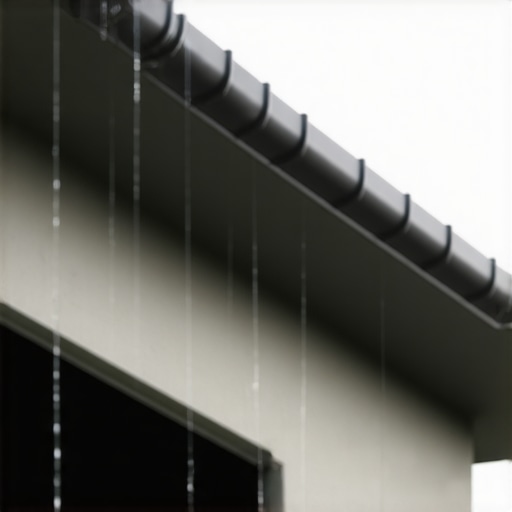
The Specialist’s Perspective: Why I Stopped Laughing at Plastic
For two decades, if you showed me a plastic gutter, I would have told you to take it back to the toy store. I was a metal man, through and through. But after 25 years of watching aluminum pit in salty air and steel rust out from the inside, I had to face the cold, hard facts of material science. Modern recycled plastic gutter systems, specifically those engineered from high-density polyethylene (HDPE) and UV-stabilized PVC composites, are not the flimsy 1980s vinyl sections you remember. They are engineered water management solutions. When we talk about gutter installation services today, we aren’t just talking about hanging a trough; we are talking about creating a resilient barrier against the hydraulic force of nature. I recently visited a property where a client had installed a high-end recycled system five years prior. The homeowner had previously paid five thousand dollars for a set of high-maintenance guards on his old metal system. I climbed my ladder, looked into the micro-mesh gutter guards, and found a literal hickory forest starting to take root in the organic silt that had bypassed the mesh. The metal beneath was corroding from the acidic mulch. The recycled plastic, however, was as smooth as the day it was extruded, despite the constant moisture and decomposing leaves. This is where we see the material shine. Water is a universal solvent. Over time, it will find the weak points in any metal finish. But high-density recycled polymers are chemically inert. They don’t care about the pH level of the rotting oak leaves sitting in your miter joints.
“Downspouts shall be sized based on the rainfall intensity of the region and the roof surface area.” – International Plumbing Code, Section 1106
Hydro-Zooming: The Physics of Polymer Flow
To understand why these systems work, you have to look at the surface tension. Water molecules have a property called cohesion, which causes them to stick to each other, and adhesion, which causes them to stick to other surfaces. On a microscopic level, weathered aluminum is relatively rough, which increases the drag on the water. This is why you see that thin film of water that never seems to drain, leading to mosquito breeding and fascia rot. Recycled plastic systems have a much lower Manning’s n coefficient. The water moves with higher velocity, which helps to carry small debris like pine needles and grit right out through the leader. When we provide round downspout services, we are optimizing for this flow. A round leader is the most efficient shape for moving water because it has the least amount of surface area for the volume of water, reducing friction and preventing the ‘corkscrew’ turbulence that slows down drainage in rectangular pipes. If you are dealing with a sagging gutter fix, the problem is often that the water stayed in the trough too long, the weight increased, and the hanger spacing was insufficient. With plastic, the material is lighter, but it requires a specific pitch of at least one eighth of an inch for every ten feet to ensure that the end cap doesn’t become a dam for stagnant water. During a heavy downpour, the volume of water hitting a roof can be staggering. One inch of rain on a 2,000 square foot roof is about 1,250 gallons of water. If your system isn’t engineered for that velocity, the water will bridge the gap between the soffit and the gutter, pouring directly into your foundation.
Climate Stress: From Deep Freeze to Tropical Heat
In regions like the Northeast, the primary enemy is the freeze-thaw cycle. Metal gutters are notorious for expanding and contracting at different rates than the wood fascia they are attached to. This causes the spikes to pull out over time. Recycled plastic, however, is a thermal insulator. While it still expands, the specialized gutter installation services we provide use expansion joints and sliding hangers that allow the material to breathe without putting stress on the building’s envelope. For those in the South, UV degradation is the killer. Early plastics would turn brittle and crack like an eggshell. Modern recycled composites are saturated with carbon black and UV inhibitors that absorb the radiation. This durability is why we are seeing more TPO roof gutter flashing integrations in commercial-to-residential transitions. The plastic doesn’t react with the TPO membrane like some petroleum-based or metallic products might. Furthermore, for the tech-savvy homeowner, we are now seeing integrated home automation where moisture sensors in the conductor head services can alert your smartphone if a clog is detected. This prevents the catastrophic ‘overflow’ that leads to basement flooding. If you are looking for a gutter cost estimation, you’ll find that while the initial material cost of high-grade recycled systems is comparable to aluminum, the longevity and lack of painting or corrosion maintenance make them a superior long-term investment. We offer free gutter quotes processing that takes into account the specific tree cover of your lot. For example, if you have heavy canopy, we might recommend a rain barrel integration to manage the high volume of runoff and recycle that water for your garden, further leaning into the sustainable nature of the recycled plastic system.
“Metal gutters and downspouts expand and contract with temperature changes. Recycled plastic systems must similarly account for thermal movement via expansion joints.” – SMACNA Architectural Sheet Metal Manual, Section 1.5
The Installation Authority: Miters, Hangers, and Pitch
Don’t let a ‘handyman’ install these. The sagging gutter fix usually happens because someone didn’t understand the load-bearing requirements of a polymer system. We space our heavy-duty hangers every 16 inches, whereas a standard installer might go every 24 or 32 inches. This prevents the ‘troughing’ effect where the plastic bows between supports. We also pay close attention to the splash block at the end of the run. A round downspout moving water at high velocity can easily erode your landscaping if it isn’t directed properly. By using conductor head services at the top of the leader, we can break the vacuum and allow for smoother air-flow within the pipe, which drastically increases the gallons-per-minute capacity of the system. This is crucial for homes with steep roof pitches where the ‘overshoot’ factor is high. When you get your free gutter quotes processing done, ask about the sealants. Unlike metal, where we use high-grade tripolymer caulks, recycled plastic systems often use a gasketed joinery system or a specific solvent-weld process that creates a monolithic bond at every miter and end cap. This means no leaks, ever. Water is the number one enemy of your home. It wants to rot your wood, crack your foundation, and flood your crawlspace. A durable, recycled plastic system, installed with the precision of an engineer, is the best defense you can buy. It’s not just a gutter; it is a shield. When you factor in integrated home automation and rain barrel integration, you aren’t just managing waste; you are harvesting a resource while protecting your largest investment. The math is simple: correct material plus correct pitch plus expert gutter installation services equals a dry basement for the next thirty years. Stop worrying about the ‘look’ of plastic and start thinking about the physics of drainage. Your house will thank you during the next gully washer.{“@context”:”https://schema.org”,”@type”:”HowTo”,”name”:”How to Maintain Recycled Plastic Gutter Systems”,”step”:[{“@type”:”HowToStep”,”text”:”Inspect all miter joints and end caps for debris accumulation twice a year.”},{“@type”:”HowToStep”,”text”:”Verify the pitch of the trough using a level to ensure a minimum 1/8 inch slope per 10 feet toward the leader.”},{“@type”:”HowToStep”,”text”:”Clean micro-mesh gutter guards to prevent organic sludge from blocking the pores.”},{“@type”:”HowToStep”,”text”:”Check round downspout outlets for obstructions to maintain maximum hydraulic velocity.”}]}