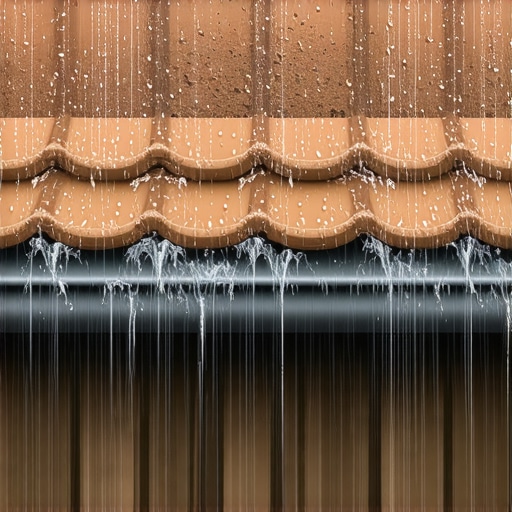
The Deceptive Beauty of the Half-Round System
For over two decades, I have stood on ladders looking at the aftermath of poor engineering masquerading as high-end architecture. The half-round gutter is the darling of the custom home world. It looks classic, it evokes a sense of timeless craftsmanship, and when executed in copper, it is a work of art. But water does not care about your aesthetic preferences. Water is a relentless kinetic force governed by the laws of physics, specifically surface tension and fluid dynamics. Most people think a five inch gutter is a five inch gutter. They are wrong. When you perform a half-round gutter installation, you are dealing with a profile that lacks the vertical wall height of its K-style cousin. If you do not account for the reduced cross-sectional area, your foundation is going to pay the price in a very expensive way.
The Narrative of the Hidden Swamp
I recall a project where a homeowner had spent a fortune on a custom slate roof and matching copper half-rounds. Three years later, they had a literal forest of oak tassels and rotting organic sludge growing in their gutters because the installer didn’t understand the relationship between roof pitch and gutter volume. During a heavy Georgia downpour, the water would scream down that slate roof, hit the curved bottom of the half-round, and immediately launch over the edge like a ski jump. The homeowner was baffled because the gutters weren’t clogged, they were simply overwhelmed. We had to retrofit the entire system with custom leader box gutters and conductor head services to create a reservoir that could actually handle the surge. That is the reality of water management: it is not about the rain you get on average, it is about the rain you get during the three minutes of a cloudburst.
“Storm drainage systems shall be designed to convey the flow from the design storm without overflow that could result in damage to the building structure or its contents.” – International Plumbing Code, Section 1106.1
The Physics of the Overflow: Why Size Matters
Let’s talk about the math that most contractors skip. A standard 5-inch K-style gutter has a flat bottom and vertical walls, providing a specific volume. A 5-inch half-round gutter, by its very nature, loses significant capacity because of its radius. You are effectively losing about 25 to 30 percent of the carrying capacity compared to a K-style of the same width. When you factor in a steep roof pitch, the velocity of the water increases. As that water hits the gutter, it needs to be captured and turned 90 degrees into the leader. If the gutter is too shallow or too narrow, the water’s momentum carries it right over the outer lip. This is where gutter sealant application becomes irrelevant; the water isn’t leaking through a seam, it is failing to enter the system entirely.
Hydro-Zooming: The Surface Tension Trap
Surface tension is the enemy you never see. On a half-round profile, water has a tendency to cling to the rounded outer edge of the gutter. Instead of dropping cleanly into the trough, the water follows the curve of the metal, wraps around the bottom, and then drips directly onto the fascia and soffit. This is how you end up with wood rot on a house that has brand new gutters. This is why smart gutter monitoring is becoming a necessity for high-end properties. These sensors can detect when water is bypassing the gutter or when the flow rate in the downspout doesn’t match the rainfall intensity, alerting you to an overshoot problem before your basement starts smelling like a damp cave. If you are dealing with an older home, you also need to consider lead paint gutter abatement during this process, as disturbing old fascia boards to fix a sizing error can release toxins into your soil.
“The capacity of a gutter is dependent on its shape, size, and slope. Half-round gutters require larger diameters than K-style gutters to achieve equivalent flow rates.” – SMACNA Architectural Sheet Metal Manual
Advanced Mitigation and Modern Integration
To fix a sizing error, we often look at conductor head services. A conductor head, or leader box, acts as a vacuum break and a surge tank. It allows air into the downspout, which prevents the water from ‘glugging’ and allows it to fall faster. Furthermore, integrated home automation now allows these systems to talk to your landscape. If your smart gutter monitoring detects a massive surge, it can trigger landscape integration services like automated sump pumps or diversion valves to move water toward a dry well instead of your rose bushes. For those with flat roof transitions, gravel stop integration is critical to ensure that debris doesn’t wash into the half-rounds and further reduce their already limited capacity. We also recommend leaf blower gutter cleaning as a regular maintenance task, as even a small amount of silt in a half-round gutter significantly disrupts the flow of water compared to a flat-bottomed gutter.
The Bottom Line on Foundation Protection
If you see water sheeting over the side of your gutters during a storm, do not assume they are clogged. They might just be too small. When we design a system, we look at the hanger spacing to ensure the weight of the water doesn’t pull the miter apart, and we calculate the exact pitch/slope to ensure that water moves at at least two feet per second. This prevents sediment buildup and keeps the system self-cleaning. If your contractor isn’t talking about rainfall intensity or cross-sectional area, they aren’t a drainage specialist, they are just a guy with a truck. Protect your splash block and your foundation by sizing your system for the worst-case scenario, not the average day. “, “image”: {“imagePrompt”: “A technical cross-section diagram comparing a 5-inch K-style gutter and a 5-inch half-round gutter, showing the difference in water volume capacity and illustrating water overshooting the half-round profile during a heavy rain simulation.”, “imageTitle”: “Half-Round vs K-Style Capacity Comparison”, “imageAlt”: “Technical diagram showing why half-round gutters overflow due to smaller cross-sectional area compared to K-style gutters.”}, “categoryId”: 0, “postTime”: “”}“`自由意志という言葉は、私たちの日常会話や倫理、法律、さらには宗教的な議論の中で頻繁に登場します。自分が何かを選び、行動するとき、それは「自分の意志」によるものだと私たちは信じて疑いません。しかし、現代の科学、特に脳科学や心理学の進展により、この「当たり前」とされる感覚が大きな挑戦を受けています。果たして、私たちに自由意志は本当に存在するのでしょうか?それとも、私たちは単なる「脳という物理的システム」の反応に過ぎないのでしょうか?本稿では、自由意志の定義から科学的検証、そしてそれがもたらす哲学的・社会的な意味合いについて深く考察していきます。
自由意志の定義:何を「自由」と呼ぶのか?
そもそも「自由意志」とは何を指すのでしょうか?哲学的な視点では、主に以下の3つの要素が含まれると考えられています。
1. 選択の可能性(オルタナティブ)
ある行動をとったときに、「もし望めば、別の行動をとることもできた」という状態です。例えば、今日のお昼にカレーを食べたけれど、もし自分がそう決めていればラーメンを食べることもできた、という可能性のことです。
2. 自己決定(エージェンシー)
その行動の源泉が自分自身にあるということです。外部からの強制や、抗えない本能による衝動ではなく、「自分が主体となって決めた」という感覚です。
3. 合理的なコントロール
自分の意図や目的、価値観に基づいて、理性的・意識的に行動を制御できる能力です。単なるランダムな振る舞いは自由意志とは呼ばれません。 このように定義すると、自由意志は非常に高度な精神活動のように思えます。しかし、ここに科学のメスが入ることで、議論は一気に複雑化します。
科学が突きつける挑戦:リベットの実験とその衝撃
自由意志を巡る科学的議論の中で、最も有名で議論を呼んだのが、1980年代にベンジャミン・リベットが行った実験です。
実験の内容
被験者に「自分が好きなタイミングで手首を動かす」という単純な指示を出します。その際、以下の3つの時間を計測しました。 1. 脳が運動の準備を始める電気的な活動(準備電位)が起きる時間。 2. 被験者が「今、動かそう」と意識的に意図した時間。 3. 実際に手首が動いた時間。
驚くべき結果
直感的には「意図(2)」→「準備電位(1)」→「運動(3)」という順番になるはずです。しかし、実際の結果は違いました。脳の準備電位(1)が、被験者が「動かそう」と意識する(2)よりも約0.35秒から0.5秒も早く現れていたのです。
結論の衝撃
この結果は、「意識的な決定が下される前に、脳はすでに行動の準備を始めている」ことを示唆しています。つまり、私たちが「今決めた!」と思う瞬間には、脳内ではすでにその行動へのカウントダウンが始まっており、意識は後付けでその報告を受けているに過ぎないのではないか、という疑念が生まれたのです。
脳は「自動機械」なのか?決定論と非決定論
リベットの実験以降、脳科学は「脳は物理的な法則に従うシステムである」という見方を強めています。ここで登場するのが「決定論」という考え方です。
決定論的宇宙観
もし宇宙が物理法則に従っているなら、現在の状態は過去の状態によって一意に決まります。脳内のニューロンの働きも化学反応や電気信号である以上、あらかじめ決まった因果関係の鎖の中にあることになります。この考え方に立てば、自由意志の入り込む余地はありません。
量子力学と非決定論
一方、ミクロの世界を扱う量子力学では、事象は確率的にしか決まらないという「非決定論」が支持されています。これを持って「脳内にも不確定要素があるから自由意志は存在する」と主張する人もいますが、多くの科学者は、単なる「確率的な揺らぎ(ランダムさ)」は、私たちが求める「意志によるコントロール」とは別物であると考えています。
「意識」の役割を再定義する
科学的データが自由意志を否定する一方で、私たちは依然として「選んでいる」という強烈な主観的実感を持っています。これに対して、現代の哲学や認知科学はいくつかの新しい解釈を提示しています。
1. 自由な「拒否」権(フリー・ウォント)
リベット自身も、意識の役割として「脳が勝手に始めた準備を、土壇場で止めること(Veto:拒否)」は可能ではないかと提案しました。何かをしようとする衝動は無意識から湧き上がるが、それを実行に移すかどうかを最終的に判断するのが意識の役割だという考えです。これを「自由意志(Free Will)」ならぬ「自由不意志(Free Won’t)」と呼ぶこともあります。
2. 互換論(コンパティビリズム)
「決定論的な物理法則」と「自由意志」は両立できるという考え方です。たとえ脳の仕組みが物理法則に従っていたとしても、そのプロセス自体が「自分」そのものであり、自分の価値観や記憶に基づいた複雑な計算の結果として行動が生まれるなら、それを「自由な選択」と呼んで差し支えないのではないか、という立場です。
3. 意識は「広報官」
心理学者のマイケル・ガザニガなどは、意識を「左脳のインタープリター(解釈装置)」と呼びます。無意識の領域で起きた膨大な処理の結果を、後から一貫性のある物語としてまとめ上げ、「自分がこうしたかったからだ」と理由づけをする装置だという説です。この場合、自由意志は脳が作り出した「便利な錯覚」ということになります。
自由意志が「ない」と認めることの社会的リスク
興味深いことに、社会心理学の研究では、「人間に自由意志はない」という考えを信じ込ませると、人々の行動が変化することが示されています。
モラルの低下
自由意志を否定する文章を読んだ被験者は、その後のテストでカンニングをする確率が高まったり、他者への攻撃性が増したり、利他的な行動が減ったりする傾向が見られました。「どうせ自分の意志ではないのだから」という考えが、自己責任感を希薄にしてしまうのです。
法律と責任の根拠
現代の法体系は「自分の意志で犯罪を選んだから罰せられる」という責任能力の概念に基づいています。もしすべての犯罪が「脳の故障」や「不可避な物理現象」の結果だとしたら、刑罰の意味は大きく変わります。将来、報復としての刑罰ではなく、脳の再教育や社会防衛のための隔離といった、より医学的なアプローチが主流になるかもしれません。
結論:私たちはどう生きるべきか?
現時点での科学の知見を総合すると、私たちの行動の大部分は無意識のプロセスによって駆動されており、意識が「全権を握る司令官」であるという古典的な自由意志のイメージは、修正を迫られていると言わざるを得ません。 しかし、たとえ自由意志が高度なシミュレーションや「錯覚」であったとしても、その感覚が私たちの文明や人間関係を支える重要な基盤であることに変わりはありません。 「脳が勝手に決めたことだ」と自暴自棄になるのではなく、自分の価値観や長期的な目標を脳に「学習」させ、より良い反応が自動的に出るように自分を整えていく。それこそが、現代における新しい形の「自由」へのアプローチなのかもしれません。 私たちは、自由意志という幻想を抱きながら、それでもより良い未来を「選ぼう」とする稀有な存在なのです。その葛藤と模索こそが、人間らしさの本質なのかもしれません。