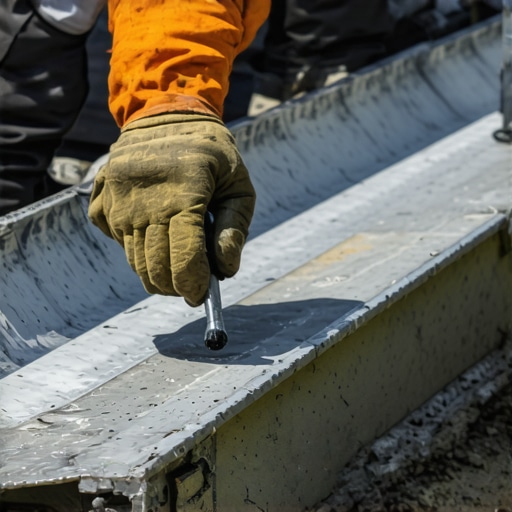
I have spent nearly three decades in the trenches of the water management industry, and if there is one thing I have learned, it is that water is the most patient, most destructive force on the planet. I have walked around historic estates where the entire corner of a limestone foundation had settled three inches into the earth, resulting in six-figure structural repairs, all because a built-in gutter system had a failed seam that nobody noticed for half a decade. When you are dealing with built-in gutter systems, also known as box gutters, you are not just looking at a drainage component; you are looking at a structural liability that requires surgical precision to maintain. These systems are integrated into the roofline, often hidden behind decorative cornices or parapets, which means when they leak, the water does not just fall to the ground; it migrates into the soffit, the fascia, and eventually, the interior walls and framing of your home.
The Physics of Failure in Box Gutter Systems
To understand the fix, you have to understand the physics of why these systems fail. A standard gutter installation involves hanging a metal trough on the outside of the house, where a leak is easily spotted and does minimal damage. A box gutter, however, is a wooden trough lined with metal, usually copper or tin-plated steel. Over twenty-five years, I have seen thousands of these liners fail due to thermal expansion and contraction. Metal moves. It grows in the heat and shrinks in the cold. If your miter joints and seams are held together with old, brittle solder, those seams will eventually crack. Once a crack forms, capillary action draws water into the wood structure beneath. This is where the nightmare begins because the damp wood attracts carpenter ants and fosters rot, all while remaining invisible to the homeowner. The traditional solution was to call a tinsmith to re-solder the joints, but in the modern era, the heat from a soldering iron can be a fire hazard in an old, dry attic. This is why we have moved toward high-performance industrial coatings.
“Gutter liners shall be constructed of materials compatible with the building architecture and shall be sloped to provide positive drainage to the downspout or leader.” – SMACNA Architectural Sheet Metal Manual
The secret I have used on high-end restorations involves industrial-grade, high-solids polyurethanes and liquid-applied membranes. These are not the tubes of caulk you find at a local hardware store. We are talking about moisture-cured elastomeric coatings that remain flexible down to forty degrees below zero. Unlike silicone, which will eventually peel away from the metal, these industrial sealants bite into the substrate. They create a monolithic, rubberized skin over the entire trough. When I perform a water management audit on a home with these systems, I look for standing water first. If the pitch or slope of the gutter is off by even a fraction of an inch, the water will pool. Standing water is a solvent; it accelerates the degradation of any coating. Proper pitch is non-negotiable, usually requiring a minimum of one-quarter inch of drop for every ten feet of run to ensure the velocity of the water is sufficient to carry away organic debris.
The North/Snow Context: Ice Dams and Heavy Load
In northern climates, box gutters are particularly susceptible to ice damming. Because the gutter is essentially a part of the roof, heat escaping from the attic melts the snow on the roof, which then refreezes in the cold gutter trough. This ice can weigh hundreds of pounds, putting immense stress on the structural components. To combat this, I often recommend the installation of app-controlled gutter heaters. These systems use self-regulating heat cables that sense the ambient temperature and only turn on when needed, preventing the trough from becoming a solid block of ice that could potentially rip the leader or the end cap right off the house. If you do not manage the thermal profile of the gutter, no sealant in the world will save it from the sheer force of expanding ice. [image placeholder] This is also where seasonal gutter cleaning becomes a life-saving measure for the building. A single handful of maple seeds or oak tassels can block a downspout, leading to a backup that sends gallons of water under the shingle line and into the soffit.
Selecting the Right Protection and Maintenance Tools
Many homeowners ask about gutter guard installation for box gutters. This is a tricky area. Because box gutters are wider and deeper than standard 5-inch K-style gutters, most off-the-shelf guards will not fit. Furthermore, if you install the wrong type of mesh, you can actually cause more harm. In a forested area with heavy canopy, you need a system that allows high-velocity water to enter while shedding leaves. If the guard is too flat, it creates a shelf where debris accumulates, eventually turning into a compost pile in your gutter. I have seen maple trees growing three feet high out of a clogged box gutter because the owner thought a cheap guard meant they could ignore the system. For those who prefer a hands-on approach, telescopic gutter tools allow for cleaning from the ground, but with built-in systems, you really need to be on a ladder to inspect the integrity of the sealant and the miters. Pressure washing gutters is another common tactic, but you must be extremely careful. High-pressure water can blast right through a weakened solder joint or force its way under the flashing, causing the very leak you are trying to prevent.
“Downspouts shall be sized based on the rainfall intensity of the region and the roof surface area to ensure that gutters do not overflow during peak storm events.” – International Plumbing Code, Section 1106
The math behind water management is often overlooked. If you have added a large addition or installed solar panels, your runoff dynamics have changed. Solar panel gutter avoidance is critical because the smooth surface of the panels increases the velocity of the water as it hits the gutter. This often leads to overshoot, where the water simply jumps over the gutter entirely, eroding the landscape and saturating the foundation. In these cases, we often look at downspout relocation or upgrading to a larger 3×4 leader to handle the increased volume. Moving water away from the house is the final step. A splash block is rarely enough; you need the water to exit at least ten feet away from the foundation via a buried line or a pop-up emitter. If you have a basement, this is the difference between a dry storage area and a moldy swamp.
The Industrial Sealant Application Process
To successfully seal a box gutter, the preparation is 90% of the work. First, the metal must be scoured to remove all oxidation and old, failing coatings. We use wire wheels and industrial degreasers to get the metal to a surgical grade of cleanliness. Next, we apply a specialized primer designed for non-porous surfaces. Only then do we apply the high-solids polyurethane. We apply it in multiple coats, reinforcing the seams and miters with a polyester fleece bridge. This creates a reinforced