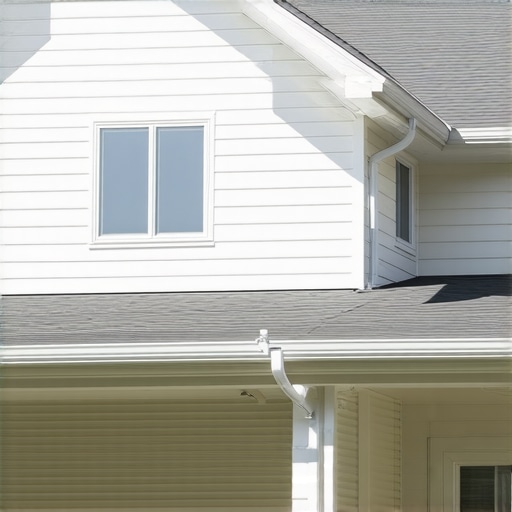
Why Real Estate Appraisers Look Up Before They Estimate Your Home Value
As a veteran gutter contractor with over 25 years spent on ladders, I can tell you that water is the single most destructive force acting on a residential property. While homeowners spend thousands on interior granite countertops to boost appeal, home appraisers are far more pragmatic. They look at the structural envelope. They look at how water is shed from your roof and where it lands. The presence of high-quality gutter screens is not just a convenience that spares you from climbing ladders; it is a critical line of defense that directly impacts a home appraisal by preventing hidden, high-ticket water damage. When an appraiser sees a functional, well-maintained exterior drainage system, it signals that the home has been protected from foundation settlement, fascia rot, and basement moisture intrusion.
The “Gutter Guard” Garden: A Real-World Appraisal Nightmare
I went up on a roof in Portland to inspect a system for a homeowner preparing to sell. They had paid nearly six thousand dollars for cheap plastic gutter screens marketed as “maintenance-free.” What I found was a literal forest of oak and pine seedlings growing out of a thick layer of organic silt that had bypassed the screens. The weight of this wet compost had warped the hangers, pulling the gutter apron aluminum completely away from the drip edge. Every time it rained, water cascaded behind the system, rotting the cedar fascia board and sending gallons of water straight into the crawlspace. When the appraiser walked the property, they noted structural wood rot and foundation dampness, slashing the home value by fifteen thousand dollars to account for the necessary repairs. This is why the type of protection you install, and how it is integrated with your roofline, matters immensely.
“Gutters and downspouts shall be installed to properly drain roof areas and prevent water from accumulating near the foundation wall.” – International Residential Code, Section R801.3
The Hydro-Geographic Reality of Gutters in Heavy Canopy Zones
If your property is surrounded by heavy tree cover, the enemy is organic sludge. Pine needles weave into dense mats, while broad oak and maple leaves create impenetrable dams. When rainwater hits a roof covered in debris, it cannot reach the trough. Instead, it overflows, pooling around your foundation and eroding your landscaping. To prevent this, a high-quality stainless steel micro-mesh screen is essential. Unlike foam gutter inserts which can act like sponges and trap damp debris inside the trough, a rigid micro-mesh screen uses surface tension to pull water through while shedding leaves over the edge. By maintaining a clear channel, you ensure that rainwater flows directly to the leader and away from your home, keeping the basement dry and the appraiser happy.
How Gutter Screens Protect the Asphalt Shingle Gutter Edge
The transition zone where your roof meets your drainage system is highly vulnerable. Without a proper gutter apron aluminum installation, water can back up under the asphalt shingle gutter edge through capillary action. This leads to rot in the roof deck and the soffit. When high-quality screens are installed, they are typically integrated under the first course of shingles or fastened securely to the lip of the gutter, creating a sealed barrier. This prevents debris from packing into the eave. During a routine home inspection or appraisal, a certified inspector will check this edge. If they find soft wood or water staining along the fascia, your valuation will take a major hit. Properly installed gutter screens eliminate this risk by ensuring that water sheds cleanly into the trough without backing up.
Comparing Protection: Micro-Mesh vs. Foam and Sectional DIY
Not all gutter protection systems are created equal. In fact, cheap sectional screens can actually hurt your appraisal value because they suggest a high-maintenance liability. Let us break down the primary systems:
- Stainless Steel Micro-Mesh: The gold standard. These screens feature a fine mesh that blocks even pine needles and shingle grit. They are usually paired with a seamless gutter installation for maximum durability. Appraisers recognize these as premium, long-term upgrades.
- Foam Gutter Inserts: These porous foam wedges sit inside the trough. While cheap, they tend to trap seeds and dirt, turning into a planter box within two seasons. They also restrict water flow during heavy downpours, leading to overflow.
- Plastic and Aluminum Punched Screens: These snap-in panels often collapse under heavy snow loads or warp in intense summer heat. They require frequent manual cleaning to remove debris caught in the larger holes.
The Financial Math: Return on Investment for Your Exterior Drainage
Is investing in high-quality screens and seamless gutters worth the cost? Let us look at the structural math. A standard home with a 2,000-square-foot roof can shed over one thousand gallons of water during a single inch of rainfall. If your gutters are clogged because you lack screens, that water dumps directly along your foundation. Over time, this causes soil expansion and contraction, cracking your concrete footings. Foundation repairs can easily run between ten and thirty thousand dollars. In contrast, investing in professional gutter protection preserves your home structural integrity. When an appraiser reviews your property, they will check for signs of foundation movement, such as cracked drywall or sticky doors. By keeping water far from your crawlspace, gutter screens act as a insurance policy for your home equity.
“All exterior wall coverings shall be designed and constructed to prevent the accumulation of water within the wall assembly by providing a water-resistant barrier.” – International Building Code, Section 1403.2
Preparing Your System for the Market: The Spring Gutter Startup
If you are preparing to list your home or schedule an appraisal, do not neglect your exterior drainage. Perform a thorough spring gutter startup. This involves inspecting the entire run for proper pitch (ideally a quarter-inch of slope for every ten feet of run toward the leader). Next, perform a vacuum gutter extraction to clear out any fine silt or shingle granules that may have bypassed your screens over the winter. Check the end cap seals for leaks, and ensure your downspouts are clear and routing water at least six feet away from the foundation. Presenting a clean, professionally maintained system tells the appraiser that the home has been meticulously cared for, paving the way for a maximum valuation.