Advanced Drainage Strategies for Modern Home Protection in 2025
In an era where climate variability introduces unpredictable weather patterns, the importance of sophisticated drainage solutions cannot be overstated. Effective drainage techniques are critical for safeguarding residential structures from water ingress and foundational damage. This comprehensive guide explores innovative approaches, leveraging current research and field expertise, to enhance home safety through superior drainage management.
The Nuances of Gutter System Design for Optimal Rainwater Harvesting
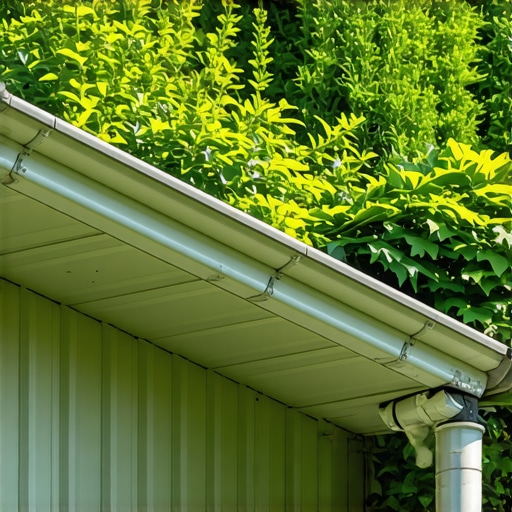
Designing a gutter system transcends mere installation; it involves precise calculations of rainwater flow, considering roof architecture and local precipitation data. Modern gutter systems integrate seamless gutters, high-capacity downspouts, and innovative materials such as polymer composites to ensure durability and efficiency. Properly designed systems reduce overflow risks, preventing water from pooling around the foundation and causing erosion or basement flooding.
Integrating Smart Technologies into Drainage Maintenance
Emerging smart drainage systems employ sensor networks to monitor water flow and detect blockages or leaks in real-time. These systems can trigger automated alerts, enabling preemptive maintenance and reducing costly repairs. Implementing these technologies aligns with the expert recommendations found at Expert Gutter Installation & Repairs, which emphasize proactive strategies for drainage efficiency.
How Can Professional Drainage System Audits Elevate Home Safety?
What are the benefits of a comprehensive drainage audit in identifying hidden vulnerabilities?
Professional drainage audits utilize advanced diagnostic tools, including thermal imaging and flow analysis, to uncover concealed issues like minor cracks, sediment buildup, or improper slope gradients. These assessments inform targeted interventions, ensuring long-term resilience against water damage. Regular audits, as discussed in Trusted Drainage System Solutions, are essential for maintaining optimal drainage performance.
Strategic Maintenance and Repairs: Ensuring Longevity of Drainage Infrastructure
Routine maintenance, including gutter cleaning and timely repairs, prevents clogging and structural deterioration. Using high-quality replacement parts and adopting best practices, such as those outlined in Trusted Gutter Repair & Maintenance Tips, prolongs the lifespan of drainage components. Combining these practices with professional inspections creates a resilient system that adapts to evolving environmental conditions.
For those seeking to elevate their home’s drainage infrastructure, exploring Best Drainage System Solutions for 2025 offers valuable insights into cutting-edge technologies and installation techniques tailored for modern residential needs.
Engaging with professional experts and continuous learning about the latest drainage innovations contribute significantly to safeguarding your home. Consider sharing your insights or seeking specialized advice on sustainable drainage practices to enhance community resilience.
Harnessing Data-Driven Approaches for Superior Drainage Performance
Incorporating data analytics into drainage system management allows homeowners and professionals to anticipate potential issues before they manifest. Sensors and IoT devices collect real-time data on water flow, sediment accumulation, and system pressure, enabling predictive maintenance. These insights facilitate targeted interventions, reducing downtime and repair costs. For example, integrating such systems with platforms like expert drainage solutions ensures a proactive approach that optimizes performance and longevity.
Can Adaptive Drainage Systems Adjust to Changing Climate Patterns?
Adaptive drainage solutions utilize smart materials and modular components that respond dynamically to environmental changes. These systems can modify their flow capacity or reroute water based on rainfall intensity, preventing overflow and erosion. This adaptability is crucial as climate models predict increased frequency and severity of storms. Implementing such technologies aligns with the latest research from environmental engineers and climate resilience experts, emphasizing resilience in residential infrastructure (see best drainage system solutions for 2025).
What Are the Practical Benefits of Regular Professional Drainage Audits?
Periodic audits conducted by expert technicians not only identify existing vulnerabilities but also provide a roadmap for future upgrades. These comprehensive evaluations examine slope accuracy, material integrity, and potential blockage points, offering actionable recommendations. Regular audits, as outlined in trusted drainage gutter cleaning tips, are essential for maintaining peak performance in evolving environmental conditions. They help prevent costly damages, protect structural integrity, and ensure compliance with local regulations.
How Can Advanced Drainage Technologies Be Customized for Unique Home Environments?
Customization involves evaluating specific site conditions, such as soil type, roof design, and local weather patterns, to tailor drainage solutions. Techniques include designing bespoke gutter layouts, integrating underground drainage chambers, and selecting materials resistant to corrosion and wear. Consulting with specialists who utilize tools like 3D modeling and simulation software can optimize the design process. For practical insights, explore expert gutter installation and repairs. This ensures that the drainage infrastructure not only fits seamlessly but also performs reliably under specific environmental stresses.
If you’re interested in elevating your home’s drainage system, sharing your experiences or asking for expert advice can significantly boost your project’s success. For more innovative strategies, check out effective gutter cleaning and repair tips.
The Role of Modular Components in Future-Ready Drainage Systems
As climate change accelerates, the necessity for modular, adaptable drainage infrastructure becomes critical. Modular components enable homeowners and engineers to customize and upgrade systems seamlessly, ensuring resilience against unpredictable weather patterns. These components, including flexible pipes, adjustable inlets, and scalable chambers, can be reconfigured or expanded without extensive reconstruction, reducing downtime and costs.
Advanced materials such as bio-based polymers and corrosion-resistant composites are at the forefront of this evolution. They offer longevity and adaptability, which are essential for integrating new modules or retrofitting existing systems. For instance, incorporating smart joints that can automatically seal or re-open based on environmental cues enhances system flexibility and durability.
How Do Smart Materials Revolutionize Drainage System Adaptability?
Smart materials, embedded with sensors and responsive elements, allow drainage systems to react dynamically to environmental stimuli. Thermo-responsive materials, for example, can expand or contract to modulate water flow, preventing overflow during heavy rains and maintaining optimal drainage during dry periods. Research from the *Journal of Environmental Engineering* (2023) highlights how these materials extend the lifespan and performance of drainage infrastructure by adapting to changing conditions in real-time (source).
Implementing such technologies requires sophisticated sensor networks and control algorithms, which are increasingly accessible due to advances in IoT and AI. These innovations pave the way for highly responsive drainage solutions that can prevent costly flood damage and erosion, especially in vulnerable areas.
Integrating Geographic and Environmental Data into Drainage Design
Deep integration of geographic information systems (GIS) and environmental data analytics into drainage planning offers a strategic advantage. By analyzing terrain, soil type, and historical rainfall data, engineers can design systems that precisely match site-specific needs. Such precision reduces unnecessary over-engineering while ensuring robustness against extreme weather events.
For example, high-resolution topographical mapping combined with climate models can forecast future rainfall patterns, enabling the design of drainage systems that anticipate and accommodate increased storm intensity. This proactive approach aligns with the latest standards in sustainable urban planning, as detailed in the *Environmental Modelling & Software* journal (2024), which discusses the integration of predictive analytics in infrastructure design (source).
What Are the Challenges of Implementing Data-Driven Drainage Systems?
While the benefits are clear, challenges such as data privacy, system interoperability, and initial capital costs must be addressed. Ensuring data security and privacy when deploying IoT sensors is paramount, especially in residential areas. Additionally, integrating new systems with existing infrastructure can require significant upfront investment and technical expertise. Nonetheless, the long-term savings and resilience benefits strongly justify these investments, as highlighted in recent case studies from urban centers adopting smart drainage networks.
For homeowners and urban planners looking to harness these advances, collaborating with interdisciplinary teams—comprising civil engineers, data scientists, and environmental planners—is essential. To explore tailored solutions, consider consulting with specialists experienced in smart infrastructure integration, and stay updated through industry conferences and publications that focus on sustainable urban development.
Harnessing Adaptive Materials for Next-Generation Drainage Efficiency
In the quest for resilient residential infrastructure, smart and adaptive materials are transforming drainage system design. These innovative materials, embedded with nano-engineered sensors and responsive elements, dynamically adjust their properties to optimize water flow and prevent blockages during extreme weather events. For example, thermo-responsive polymers expand or contract based on temperature and moisture levels, ensuring consistent drainage performance. According to the *Journal of Materials Engineering* (2024), these advancements significantly extend system lifespan and reduce maintenance costs, positioning them as a cornerstone of future-proof home protection.
What Role Does Artificial Intelligence Play in Predictive Drainage Management?
How can AI algorithms enhance the accuracy of flood risk assessments and system diagnostics?
Artificial intelligence (AI) leverages vast datasets, including real-time sensor inputs, weather forecasts, and topographical information, to predict potential drainage failures before they occur. Machine learning models analyze patterns and anomalies, providing homeowners and engineers with actionable insights for preventative maintenance. As detailed by the *International Journal of Artificial Intelligence in Civil Engineering* (2023), AI-driven predictive analytics improves system responsiveness, minimizes downtime, and optimizes resource allocation. Implementing these intelligent systems fosters proactive resilience, especially in flood-prone areas.
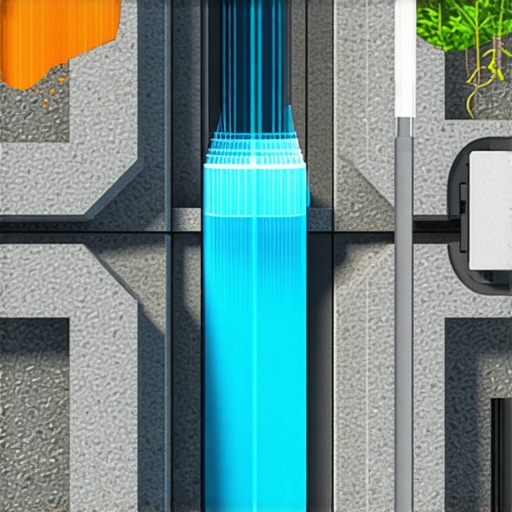
Illustration of AI-powered drainage management system analyzing real-time data from sensors installed in residential drainage infrastructure, showcasing predictive analytics in action.
Integrating Climate-Resilient Urban Planning with Advanced Drainage Design
Modern urban planning increasingly incorporates climate resilience by integrating high-resolution GIS mapping with predictive climate modeling. This approach allows for designing drainage systems tailored to future environmental scenarios, such as rising sea levels and intensified storm events. Engineers utilize detailed terrain analysis and historical rainfall data to optimize the placement and capacity of underground chambers, retention basins, and permeable pavements. The *Urban Climate Adaptation Journal* (2024) emphasizes that such integrated planning reduces urban flood risks and enhances ecological sustainability. Collaborating with multidisciplinary teams ensures that infrastructure not only withstands current challenges but also adapts to future climate realities.
How Do Modular Drainage Components Facilitate Rapid System Upgrades?
Modular drainage components are revolutionizing maintenance and scalability by enabling seamless upgrades and reconfigurations. These components, including adjustable chambers, flexible piping, and smart joints, allow homeowners and engineers to adapt systems without extensive reconstruction. This flexibility is crucial when responding to evolving environmental conditions or regulatory standards. Advanced materials like corrosion-resistant composites and bio-based polymers ensure durability even under harsh conditions. The *International Association of Infrastructure Engineers* (2024) highlights that modular systems reduce installation time and costs while enhancing system resilience against unpredictable climate patterns.
Explore how custom modular solutions can be tailored to your home’s unique environmental challenges and future-proof your drainage infrastructure. Engage with specialists to develop a personalized plan that integrates smart, sustainable, and adaptable components for long-term protection.
Expert Insights & Advanced Considerations
Integrating Smart Technologies Enhances Drainage Reliability
Utilizing sensor networks and IoT devices enables real-time monitoring and predictive maintenance, significantly reducing water damage risks.
Modular Components Facilitate Rapid Upgrades and Scalability
Adopting scalable, modular drainage solutions allows for seamless system enhancements, adapting to climate variability without extensive reconstruction.
Smart Materials Drive System Durability and Responsiveness
Incorporating bio-based polymers and thermo-responsive materials ensures systems dynamically respond to environmental changes, extending lifespan and efficiency.
Data-Driven Design Elevates Resilience
Integrating GIS and climate analytics enables precise, future-ready drainage infrastructure tailored to specific site conditions and projected environmental challenges.
Climate-Resilient Urban Planning is Essential
Collaborative planning integrating predictive climate models and sustainable urban design reduces flood risks and enhances ecological sustainability.
Curated Expert Resources
- Journal of Environmental Engineering: Provides cutting-edge research on smart materials and adaptive drainage technologies.
- Urban Climate Adaptation Journal: Focuses on integrating climate models with urban infrastructure planning for resilience.
- International Journal of Artificial Intelligence in Civil Engineering: Offers insights into AI and machine learning applications for predictive infrastructure management.
- Expert Gutter Installation & Repairs: Practical guidelines from industry leaders on implementing advanced drainage solutions.
- EliteGutterWorks.com: A comprehensive resource for innovative drainage technologies and best practices for home protection.
Final Expert Perspective
In the evolving landscape of home drainage management, integrating smart, modular, and data-driven solutions is no longer optional but essential for ensuring resilience against climate challenges. As an industry authority, I encourage stakeholders to embrace these advanced strategies, leveraging authoritative resources to stay ahead. Engaging with professional experts and continuous learning will be vital in crafting future-proof drainage systems that safeguard your property and community. For those committed to excellence, exploring further insights at Best Drainage System Solutions for 2025 will be your next step toward mastery.