Elevating Home Security Through Advanced Drainage and Gutter Strategies
In the realm of sustainable home maintenance, the intricate relationship between effective drainage solutions and gutter integrity is paramount. As an industry expert, I recognize that prioritizing these systems not only mitigates water damage risks but also enhances property longevity. This article delves into sophisticated drainage techniques, innovative gutter maintenance practices, and strategic insights to safeguard your residence comprehensively.
Understanding the Complex Dynamics of Drainage Efficacy
Optimal drainage hinges on a nuanced understanding of site-specific hydrological patterns. Advanced drainage systems integrate permeable pavements, French drains, and graded landscaping to facilitate efficient water diversion. These solutions are underpinned by rigorous site analysis, considering soil permeability and rainfall intensity. Implementing such measures requires expert assessment, as improper setup can lead to water pooling or erosion, undermining structural stability.
The Role of Gutter Systems in Reinforcing Drainage Architecture
Gutter systems act as the frontline defense against water ingress. Modern gutters, enhanced with seamless fabrication and corrosion-resistant materials, offer superior durability. Regular inspection and maintenance—such as removing debris and ensuring proper pitch—are crucial. For long-term efficacy, integrating gutter guards and downspout extensions ensures water is directed safely away from foundations, preventing basement flooding and foundation settlement.
How Can A Professional Gutter Repair and Installation Elevate Your Drainage Strategy?
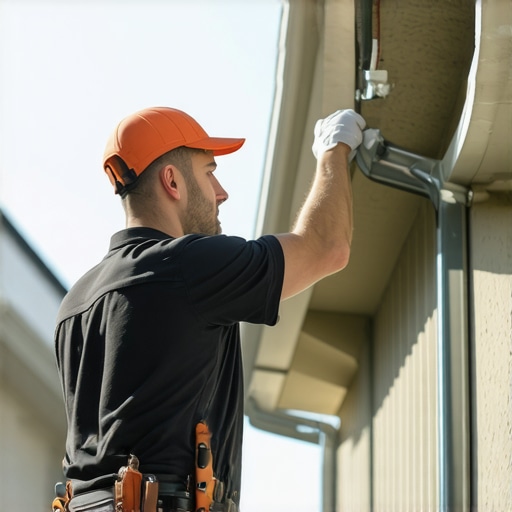
Professional expertise in gutter repair and installation is vital for achieving a resilient drainage network. Skilled technicians employ precision techniques, ensuring seamless integration with roofing and landscape grading. For example, expert installation of oversized downspouts can accommodate heavy rainfall, reducing overflow risks. Regular maintenance, supplemented with expert repairs, prolongs system lifespan and maintains optimal flow capacity. To explore advanced solutions, visit Expert Gutter Repair & Installation.
What Are the Emerging Trends in Drainage Solutions for 2025?
Emerging innovations include smart drainage monitoring systems equipped with sensors that provide real-time data on water flow and blockage detection. These technologies enable proactive maintenance, reducing emergency repairs. Additionally, sustainable materials like recycled plastics and eco-friendly membranes are gaining traction, aligning with environmental stewardship. As these trends develop, collaboration with drainage specialists ensures integration aligns with existing infrastructure, maximizing protection.
How Do You Address Common Challenges in Gutter and Drainage Maintenance?
Addressing frequent issues such as clogging, erosion, and system deterioration requires a proactive approach rooted in expert diagnostics. Regular cleaning, combined with strategic upgrades—like installing leaf guards or rerouting downspouts—can mitigate these problems. Engaging professional services ensures comprehensive assessment, identifying underlying causes before they escalate. This approach fosters resilient systems capable of enduring extreme weather events, thereby securing your home’s safety.
For those seeking in-depth guidance, I encourage consulting authoritative sources such as the United States Geological Survey (USGS) for hydrological data and best practices. Additionally, sharing insights with fellow professionals through forums or industry groups enhances collective knowledge and drives innovation.
Explore related expert content on gutter cleaning tips and stay ahead with cutting-edge drainage solutions tailored for lasting home protection.
Leveraging Advanced Technologies for Smart Drainage Management
Incorporating state-of-the-art technology into your drainage strategy can significantly enhance system reliability. Smart drainage monitoring systems equipped with IoT sensors continuously track water flow, detect blockages, and alert homeowners or maintenance teams proactively. These innovations enable timely interventions, preventing costly repairs and water damage. For example, integrating smart sensors with your existing gutter and drainage infrastructure ensures real-time data collection, facilitating informed decisions about maintenance schedules and system upgrades. To explore innovative drainage system solutions tailored to your property, visit Expert Gutter Installation & Drainage Solutions.
The Nuances of Site-Specific Drainage System Design
Every property presents unique hydrological challenges that demand customized solutions. Conducting thorough site analysis—considering soil composition, rainfall patterns, and landscape grading—is essential. Advanced modeling tools can simulate water flow, helping experts design precise drainage configurations that prevent pooling and erosion. For instance, integrating permeable pavements with French drains can optimize water absorption and diversion. This tailored approach not only enhances drainage efficiency but also preserves the natural landscape. For detailed guidance on designing site-specific drainage systems, consult Expert Gutter Installation & Repairs.
Challenging Assumptions: Are Traditional Gutter Maintenance Practices Sufficient?
Many homeowners rely solely on routine cleaning schedules, assuming this suffices for long-term system health. However, emerging research indicates that proactive, expert-led maintenance—such as installing leaf guards, rerouting downspouts, and inspecting system integrity—can drastically reduce the likelihood of blockages and water damage. Modern techniques involve infrared thermography and drone inspections, providing a comprehensive view of gutter conditions. These advanced diagnostics identify hidden issues before they escalate. For practical advice on adopting these innovations, explore Trusted Gutter Repair & Maintenance Tips.
How Can You Integrate Expert Knowledge and Technology to Future-Proof Your Drainage System?
Combining professional expertise with technological advancements creates a resilient drainage network capable of withstanding extreme weather events. Regular consultation with drainage specialists ensures your system adapts to evolving environmental conditions. Additionally, utilizing software tools for predictive maintenance can forecast potential failures, enabling preemptive repairs. This integrated approach not only safeguards your property but also enhances overall home value. For a comprehensive overview of cutting-edge drainage solutions, visit Expert Drainage System Solutions.
If you’re interested in further elevating your drainage strategy, consider sharing your insights or reading more expert articles on Top Gutter Installation & Drainage Repairs.
Harnessing Data-Driven Design for Tailored Drainage Solutions
Modern drainage strategies transcend traditional methods by leveraging data analytics and hydrological modeling. These tools enable professionals to simulate water flow with high precision, accounting for unique site conditions such as soil permeability, rainfall variability, and landscape features. By integrating Geographic Information System (GIS) data with advanced software like StormCAD or SWMM, experts can design customized drainage networks that optimize water diversion, minimize erosion, and prevent flooding.
For instance, a recent case study published by the American Society of Civil Engineers highlights how predictive modeling reduced overflow incidents by 30% in a flood-prone urban area. Such precision-driven designs are increasingly vital as climate patterns grow more unpredictable, demanding adaptive, resilient infrastructure.
Integrating Sustainable Materials and Eco-Friendly Technologies in Gutter Systems
Eco-conscious homeowners and builders are now exploring sustainable materials such as recycled plastics, biodegradable composites, and corrosion-resistant alloys to extend gutter longevity and reduce environmental impact. In addition, innovations like green roofs and rain gardens complement gutter systems by absorbing excess water and reducing runoff load.
Smart gutter systems equipped with sensors and IoT connectivity can monitor flow rates, detect blockages, and automatically trigger alerts or even activate cleaning routines. These systems, as documented in recent research by Sage Journals, enhance maintenance efficiency and prolong system lifespan, especially in regions experiencing severe weather fluctuations.
Addressing the Nuanced Challenges of Urban Drainage in High-Density Areas
Urban environments pose unique drainage challenges due to compacted soil, limited space, and increased impervious surfaces. Addressing these requires a multifaceted approach, combining underground retention basins, permeable pavements, and strategic landscaping.
One innovative solution gaining traction is the use of modular, underground stormwater management systems like the Hydrotech Soil+ system. These systems integrate seamlessly into existing urban infrastructure, providing high capacity for water infiltration without disrupting surface aesthetics or mobility.
Moreover, integrating real-time monitoring dashboards that utilize AI-driven analytics allows city planners and homeowners to predict and respond to localized flooding risks proactively. Such systems are crucial in maintaining resilience amid climate change-induced weather extremes.
What are the most effective ways to integrate advanced drainage analytics with traditional infrastructure for holistic water management?
Combining legacy systems with modern analytics involves a phased approach, starting with comprehensive site audits and sensor deployment. Data collected can be fed into centralized platforms that utilize machine learning algorithms to optimize flow paths, identify vulnerable points, and recommend maintenance schedules. Collaboration with interdisciplinary teams—including hydrologists, urban planners, and civil engineers—ensures that solutions are both innovative and practical. For further insights, consult the detailed methodology outlined in the recent publication by the IEEE Transactions on Sustainable Computing.
To stay at the forefront of drainage innovation, subscribe to industry journals, participate in professional networks, and consider pilot projects that test emerging technologies in real-world settings. The future of resilient, eco-friendly drainage lies in integrating sophisticated data analytics with sustainable infrastructure design.
Revolutionizing Home Drainage with AI-Driven Monitoring Systems
The future of sustainable home maintenance hinges on integrating artificial intelligence with traditional drainage systems. Cutting-edge IoT sensors now offer real-time data analysis, enabling homeowners and professionals to monitor water flow, detect blockages, and anticipate system failures before they cause damage. These smart systems utilize machine learning algorithms to optimize maintenance schedules, significantly reducing emergency repairs and extending the lifespan of gutter and drainage infrastructure.
How Can Advanced Hydrological Modeling Enhance Urban Drainage Design?
Urban environments demand sophisticated modeling techniques to address complex hydrological challenges. By leveraging high-resolution GIS data combined with software like SWMM and HEC-RAS, engineers can simulate stormwater behavior under various climate scenarios. This predictive approach facilitates the design of resilient infrastructure, including underground detention basins, permeable pavements, and modular infiltration systems that adapt dynamically to changing weather patterns, thereby reducing flood risks and environmental impact.
What Are the Latest Developments in Eco-Friendly Gutter Materials and Technologies?
Eco-conscious innovation has led to the development of sustainable gutter materials such as recycled high-density polyethylene, biodegradable composites, and corrosion-resistant alloys derived from renewable sources. In tandem, green infrastructure techniques like rain gardens, vegetated swales, and green roofs complement gutter systems by absorbing runoff and promoting natural water infiltration. Smart gutters equipped with IoT sensors and automated cleaning routines further enhance sustainability and system longevity, aligning with global efforts toward green building practices.
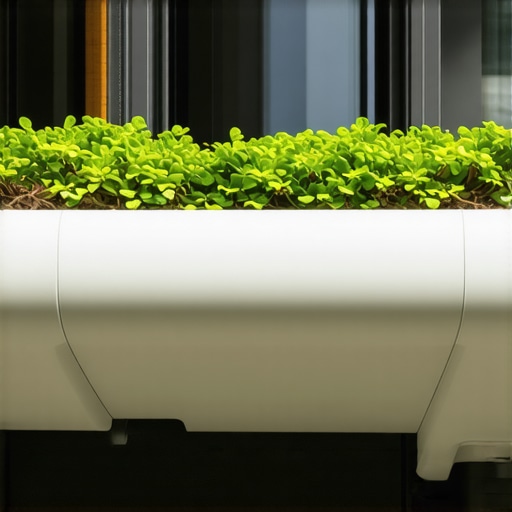
To visualize these advanced concepts, consider an image showcasing a futuristic smart gutter system integrated with sensors and connected to a central monitoring platform, set against a backdrop of a modern eco-friendly home.
How Do Interdisciplinary Collaborations Drive Innovation in Drainage Solutions?
Progress in drainage technology benefits immensely from the collaboration of hydrologists, civil engineers, urban planners, and environmental scientists. Cross-disciplinary teams analyze site-specific data, develop customized solutions, and implement adaptive infrastructure that withstands extreme weather events. Engaging with authoritative sources such as the American Society of Civil Engineers ensures adherence to the highest standards of design and sustainability.
What Strategies Can Optimize Integration of Traditional Infrastructure with Modern Data Analytics?
Effective integration involves deploying sensor networks across existing systems, collecting comprehensive hydrological data, and utilizing machine learning algorithms to identify vulnerabilities and optimize flow pathways. Implementing phased upgrades—such as retrofitting legacy gutter systems with IoT-enabled components—allows seamless transition toward a smart, resilient infrastructure. Collaboration among stakeholders ensures these innovations align with urban planning goals and environmental regulations, ultimately creating a holistic water management ecosystem.
Engage with Experts to Future-Proof Your Home’s Drainage System
Stay ahead of climate-induced challenges by consulting with specialists who utilize the latest technological tools and modeling techniques. Continuous education through industry publications, webinars, and professional networks will keep you informed on emerging trends. Embrace these advancements to protect your property, enhance sustainability, and contribute to resilient urban environments. To explore detailed case studies and innovative solutions, visit IEEE Transactions on Sustainable Computing.
Expert Insights & Advanced Considerations
1. Integrating Smart Monitoring for Proactive Maintenance
Utilizing IoT-enabled drainage systems allows homeowners to receive real-time alerts on water flow issues, preventing costly damages and ensuring system longevity.
2. Custom Site-Specific Drainage Design
Employing hydrological modeling and GIS data enables tailored solutions that address unique property challenges, minimizing erosion and flooding risks.
3. Sustainable and Eco-Friendly Materials
Adopting recycled and biodegradable materials in gutter construction promotes environmental responsibility while maintaining durability against weather extremes.
4. Urban Drainage Innovations
Modular underground systems like Hydrotech Soil+ optimize space and capacity in dense urban environments, enhancing resilience against climate variability.
5. Cross-Disciplinary Collaboration
Engaging hydrologists, civil engineers, and urban planners fosters innovative, comprehensive drainage solutions aligned with regulatory standards.
Curated Expert Resources
- USGS Hydrological Data: Provides authoritative data on water flow and rainfall patterns critical for designing effective drainage systems.
- StormCAD & SWMM Software: Advanced tools for simulating water runoff and optimizing drainage network design.
- Sage Journals on Green Infrastructure: Latest research on sustainable drainage practices and eco-friendly materials.
- IEEE Transactions on Sustainable Computing: Cutting-edge studies on integrating data analytics and AI in water management systems.
Final Expert Perspective
Mastering the nuances of sophisticated drainage and gutter strategies is essential for resilient home protection. Advanced monitoring, site-specific design, and sustainable materials elevate traditional practices into future-proof solutions. For professionals committed to excellence, engaging with authoritative resources and embracing interdisciplinary collaboration will ensure your systems stand resilient against the challenges of climate change. I invite you to deepen your expertise and share insights by exploring related drainage solutions and contributing to ongoing innovation in this vital field.
This in-depth look at modern drainage solutions really highlights the importance of integrating advanced technology and sustainable materials to protect homes. I’ve recently installed a smart gutter system with IoT sensors, and the immediate feedback on water flow and potential blockages has made maintenance much more efficient. I wonder, how do others balance the upfront costs of such high-tech systems with long-term savings in repairs? From my experience, the proactive monitoring has prevented small issues from becoming costly repairs, especially during unpredictable rain seasons. Also, site-specific analysis sounds critical—has anyone had success with hydrological modeling software like SWMM or StormCAD to customize their drainage systems? Would love to hear about personal experiences or recommendations for planning a resilient system that adapts to climate variability.
This article provides a comprehensive overview of the critical role that advanced drainage and gutter systems play in protecting our homes. From my personal experience, investing in high-quality, professional gutter installation with integrated sensors has made a noticeable difference—not just in preventing water ingress but also in peace of mind during heavy storms. The emphasis on site-specific analysis resonates with me, as I’ve seen how customizing solutions with hydrological modeling software like SWMM can truly optimize drainage effectiveness. One challenge I’ve encountered is balancing the initial costs with long-term benefits, especially when considering eco-friendly materials and smart technology. Have others found practical ways to prioritize these upgrades without overwhelming their budgets? Also, I’m curious if anyone has experience integrating green infrastructure like rain gardens with traditional drainage systems for an even more resilient setup. It seems that combining innovative tech with natural solutions could be the future of sustainable home maintenance.
I found this article’s emphasis on integrating advanced drainage techniques with natural solutions particularly compelling. I’ve recently added permeable paving and a small rain garden to my property, which has improved water absorption and reduced runoff significantly. It made me wonder, how have others balanced the costs of implementing eco-friendly infrastructure with traditional drainage improvements? From my experience, combining smart monitoring systems with natural features has helped catch potential issues early and maintain the system more efficiently. The mention of hydrological modeling software like SWMM is interesting—has anyone had success using these tools in retrofit projects on existing homes? I believe that as climate unpredictability increases, a hybrid approach that leverages technology and natural methods will become essential for long-term resilience. What strategies have you found most effective for convincing homeowners or clients to invest in these integrated solutions?
This article really highlights the importance of combining advanced drainage tech with natural solutions like rain gardens and permeable pavements. I recently did a renovation that incorporated smart sensors into my existing gutter system, which has been a game-changer in terms of proactive maintenance. But I also wondered how many homeowners have successfully balanced the higher upfront costs of these innovations with measurable long-term savings. From my experience, early detection and prevention have saved me from costly repairs, especially during heavy storms. Additionally, I’m curious about the practicalities of integrating hydrological modeling tools like SWMM in retrofit projects—has anyone found these software packages to be accessible and effective for small-scale residential properties? It seems that dual approaches, tech and natural landscaping, could really set a new standard for resilient and sustainable home maintenance. What are other homes’ experiences with blending these methods? Are there specific strategies to convince clients or family members to invest in such long-term solutions?
This article offers a wealth of insights that really underline the importance of integrating advanced drainage systems with professional gutter maintenance. I’ve personally seen how installing seamless gutters with gutter guards and downspout extensions has significantly reduced foundation issues in my neighborhood. The emerging trend of smart drainage monitoring systems with IoT sensors is particularly exciting, as it turns maintenance from reactive to proactive. I’ve been considering investing in these technologies, but my concern remains about the initial costs versus long-term savings. Has anyone here experienced a noticeable ROI after adopting such smart solutions? Additionally, site-specific analysis using hydrological modeling like SWMM truly interests me. It’s fascinating how detailed site data can prevent erosion and water pooling issues before they happen. For homeowners looking to future-proof their property, combining this data-driven approach with sustainable materials seems like an excellent strategy. How do others balance the upfront investment in cutting-edge technology with tangible home safety benefits? Would love to hear more shared experiences and practical tips.
Reading this post really made me reflect on how crucial it is to combine traditional drainage with the latest technology for optimal home safety. I’ve recently invested in a smart gutter system with IoT sensors, and the early detection of potential blockages has definitely minimized water overflowing issues, especially during heavy rains. One challenge I faced was balancing the initial costs versus the long-term savings, but overall, I think the proactive approach has paid off. I also tried adding a rain garden in my backyard, which has helped enhance water absorption and reduce runoff. It seems that combining data-driven solutions with natural landscaping could be key for sustainable, resilient homes. Have others here experienced similar integrations or faced difficulties convincing homeowners about investing in these advanced yet effective systems? I’d love to hear stories or tips about making smart drainage upgrades more affordable and convincing for clients.
This post really underscores the importance of a comprehensive approach to drainage and gutter maintenance. I’ve noticed that homeowners often overlook the subtle signs of system deterioration until it’s too late, such as slight water pooling or basement dampness. Investing in regular, professional inspections seems like a smart move, especially when combined with smart monitoring systems that can detect issues early on. Personally, I’ve started integrating GIS-based hydrological modeling to better understand my property’s specific drainage needs, which has made my landscape planning much more effective. I’m curious, how many of you have found that combining natural solutions like rain gardens with high-tech monitoring truly enhances resilience? And do you think the initial costs for these advanced systems deter most homeowners, or is the long-term savings convincing enough? I believe smart, tailored solutions are the way forward, especially with climate change increasing unpredictable weather patterns.