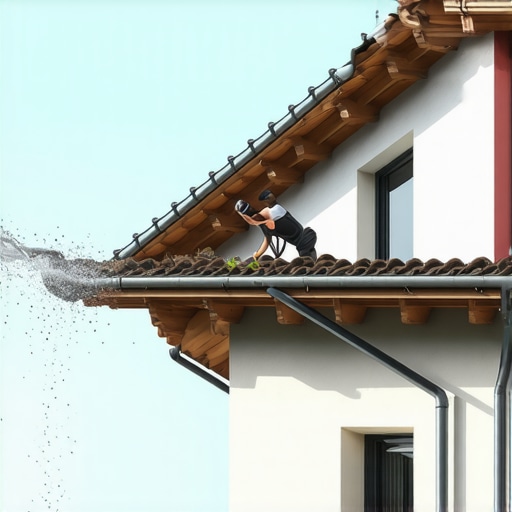
Expert Insights into Effective Drainage and Gutter Maintenance for Home Protection
Water damage remains one of the most insidious threats to residential integrity, often resulting from overlooked drainage inefficiencies or neglect in gutter upkeep. As a seasoned professional in drainage solutions, I emphasize that proactive management of rainwater runoff is critical. Properly maintained gutters and strategic drainage systems not only safeguard structural foundations but also prevent costly repairs and long-term deterioration.
The Complex Interplay Between Gutter Design and Home Resilience
Understanding the intricacies of gutter system design is fundamental. Modern gutters must be tailored to the specific architectural and environmental context, incorporating features such as seamless aluminum profiles, integrated splash blocks, and downspout configurations that facilitate efficient water diversion. When these components are optimized, they significantly reduce the risk of water pooling around foundations, which can lead to basement flooding or structural weakening.
How to Diagnose and Address Hidden Drainage Flaws: An Expert Perspective
What Are the Most Overlooked Factors Contributing to Drainage Failures?
Common yet underappreciated issues include improper slope gradients, blockages caused by debris or invasive flora, and inadequate overflow management during heavy rainfall events. Regular professional inspections utilizing advanced tools like drone surveys or hydrostatic testing are essential. For instance, ensuring that gutters have a minimum slope of 1/4 inch per 10 feet facilitates gravity-driven water flow, preventing stagnation and overflow.
Additionally, integrating high-capacity leaf guards and installing secondary drainage channels can mitigate clogging risks. For ongoing maintenance, adopting a biannual cleaning schedule with specialized tools ensures that debris does not compromise system performance. For comprehensive guidance, exploring trusted gutter repair tips is invaluable.
Harnessing Innovative Drainage Solutions for Long-Lasting Home Safety
Emerging technologies such as permeable driveway materials, rain gardens, and subsurface drainage systems are redefining how homeowners approach water management. These solutions not only enhance aesthetic appeal but also distribute water load more evenly, reducing pressure on surface gutters. For example, installing a French drain system, which employs a perforated pipe surrounded by gravel, can effectively channel subsurface water away from vulnerable zones.
Furthermore, integrating smart sensors that monitor water flow and alert homeowners to potential blockages or overflow conditions can preempt damage. As the debate on sustainable drainage intensifies, consulting authoritative sources like the academic journal on water management provides a scientific foundation for innovative practices.
How Can Homeowners Balance Aesthetic and Functional Aspects of Drainage System Design?
This question underscores the importance of expert consultation to develop solutions that blend seamlessly with architectural aesthetics while maintaining high performance. Engaging with professional services like fast gutter installation and repair experts ensures both form and function are optimized.
To deepen your understanding of these advanced topics, explore our expert drainage solutions for comprehensive strategies tailored to your home’s unique needs.
Beyond Basics: Leveraging Advanced Drainage Technologies for Superior Home Protection
While traditional gutter systems remain foundational, integrating cutting-edge drainage solutions can substantially elevate your home’s resilience against water damage. Technologies such as subsurface drainage systems and permeable landscaping materials are transforming the landscape of water management. These innovations not only mitigate surface runoff but also address groundwater infiltration, which is often an overlooked source of structural vulnerability.
What Role Do Sustainable Drainage Systems Play in Modern Home Design?
Sustainable drainage systems (SuDS) are gaining prominence as eco-friendly alternatives that harmonize with natural water cycles. Features like rain gardens, green roofs, and bio-retention ponds help absorb and slow down rainwater, reducing strain on gutters and underground pipes. Implementing such systems requires a nuanced understanding of local soil permeability and rainfall patterns. Consulting authoritative sources like the academic journal on water management ensures that your drainage approach aligns with scientific best practices.
How Can Integrating Smart Technology Transform Your Home’s Drainage Management?
Smart sensors capable of monitoring water flow and detecting blockages in real-time are revolutionizing maintenance routines. These devices can provide early warnings, minimizing the risk of overflow and subsequent damage. Moreover, integrating these sensors with home automation systems allows for remote management and proactive alerts. For optimal results, partnering with professional drainage specialists like expert drainage solutions ensures that technology is correctly installed and calibrated for your specific needs.
To explore how smart drainage systems can be tailored to your property, consider reading more about trusted repair and maintenance tips.
Harnessing the Power of Permeable Surfaces: A Deep Dive into Sustainable Water Management
Permeable pavements and landscaping are revolutionizing traditional drainage paradigms by allowing water to infiltrate naturally into the ground, thus reducing surface runoff and alleviating pressure on gutter systems. Implementing permeable materials such as porous concrete or interlocking pavers can drastically diminish the volume of water that needs to be managed by conventional gutters and underground pipes, especially in urban environments where space is constrained. Moreover, these surfaces help replenish groundwater levels, fostering a more resilient and eco-friendly water cycle around your property.
In practice, integrating permeable solutions involves assessing local soil permeability, rainfall intensity, and existing landscape features. When properly designed and installed, permeable surfaces work synergistically with existing drainage systems, creating a comprehensive water management network that minimizes flood risks and structural damage. For homeowners committed to sustainable living, consulting with specialists in green infrastructure is essential to tailor these solutions effectively.
Innovative Subsurface Drainage: Beyond the French Drain
While French drains are a well-established method, recent innovations have expanded the toolkit for subsurface water management. Geocomposite drainage systems, for instance, utilize advanced materials that enhance water flow capacity and durability. These systems can be customized to address specific site conditions, such as high water table levels or complex soil compositions. Additionally, integrating sub-surface reservoirs or underground detention tanks with smart controllers allows for dynamic water release based on real-time rainfall data, optimizing drainage efficiency and reducing the likelihood of overflow or inundation.
Understanding the hydraulic behavior of these systems requires familiarity with concepts like Darcy’s Law and the principles of hydrogeology, as detailed in authoritative texts such as Fetter’s “Applied Hydrogeology” (Fetter, 2018). Such knowledge ensures that subsurface drainage solutions are not only effective but also compliant with environmental regulations and sustainable design practices.
Question: How Do Climate Change Projections Influence Future Drainage System Design?
Climate change forecasts indicate increased frequency and intensity of extreme weather events, including heavy rainfall and flooding. As a result, drainage system design must proactively incorporate resilience and adaptability. This involves selecting materials with higher capacity and flexibility, designing for future rainfall scenarios, and integrating smart monitoring technologies that can adapt to changing conditions. For example, predictive analytics based on climate models can inform the sizing of detention basins or the capacity of underground pipes, ensuring systems remain effective under stress.
According to the latest IPCC reports, adopting a climate-adaptive approach in drainage planning is imperative to safeguard property integrity and community resilience. This forward-thinking strategy underscores the importance of interdisciplinary collaboration among hydrologists, urban planners, and engineers to develop innovative, resilient drainage architectures.
Call to Action: Elevate Your Home’s Water Management Strategy Today
If you’re serious about future-proofing your home against water-related threats, partnering with experts in sustainable drainage solutions is the way forward. Whether it’s implementing permeable landscapes, installing advanced subsurface systems, or integrating smart technology, professional guidance ensures optimal results. Don’t wait for the next storm — explore the possibilities now and transform your property into a model of resilience and eco-conscious design. For tailored advice and innovative solutions, contact our drainage specialists today and take the first step toward a safer, smarter home.
Harnessing the Potential of Modular Drainage Components for Custom Home Solutions
Modern drainage architecture increasingly relies on modular components that allow for tailored configurations capable of addressing unique site conditions. Incorporating elements such as adjustable downspout extensions, sectional catch basins, and flexible piping networks enables engineers and homeowners to optimize water flow management while maintaining aesthetic integrity. These components facilitate phased upgrades and repairs, ensuring long-term system resilience amidst evolving climate demands.
Innovative Material Science in Drainage Infrastructure: What Are the Latest Breakthroughs?
Advances in polymer composites, corrosion-resistant metals, and bio-based polymers are revolutionizing drainage system durability. For example, high-density polyethylene (HDPE) pipes with UV stabilization extend lifespan under UV exposure, while bio-inspired surface coatings reduce debris adhesion, minimizing maintenance. Such innovations are documented comprehensively in peer-reviewed publications like the Water Science & Technology journal, underpinning the importance of material science in sustainable infrastructure.
How Do Climate Adaptation Strategies Shape Future Drainage System Design?
Climate resilience necessitates integrating adaptive features such as variable capacity detention systems, smart overflow regulators, and real-time monitoring sensors. These innovations enable drainage systems to dynamically respond to unpredictable rainfall patterns, minimizing flood risks. Incorporating climate projection data during the planning phase ensures designs are not only compliant with current standards but also resilient to future environmental stresses, aligning with guidance from authoritative bodies like the IPCC Climate Change Reports.
Engaging with interdisciplinary experts in hydrology, environmental engineering, and urban planning is essential to developing holistic, forward-looking drainage solutions that stand the test of climate variability.
Smart Integration: How IoT-Enabled Drainage Systems Transform Maintenance Paradigms
The advent of Internet of Things (IoT) technology introduces unprecedented capabilities in drainage system management. Smart sensors embedded within pipes and catch basins can provide continuous data streams on flow rates, pressure anomalies, and clogging events. When integrated with home automation platforms, these systems enable remote troubleshooting and predictive maintenance, significantly reducing downtime and repair costs.
For example, predictive analytics algorithms can forecast potential failures, prompting preemptive interventions that prevent property damage. To realize these benefits, collaboration with specialists in IoT integration and data analytics is crucial, ensuring seamless system operation and data security.
The Eco-Friendly Edge: Implementing Green Infrastructure for Dual Benefits
Green infrastructure practices such as rainwater harvesting, vegetated swales, and permeable pavements serve dual roles—stormwater management and ecological enhancement. These systems absorb and slow runoff, thereby reducing the load on traditional gutters and underground pipes. Additionally, they foster urban biodiversity, improve air quality, and mitigate urban heat islands.
Designing these features requires a nuanced understanding of local soil permeability, rainfall patterns, and ecological considerations. Consulting environmental engineers specializing in green infrastructure ensures that these solutions are not only effective but also harmoniously integrated into the landscape.
Question: How Can Advanced Drainage Modeling Software Improve System Design Accuracy?
Utilizing sophisticated hydraulic modeling software allows engineers to simulate various rainfall scenarios, soil conditions, and system configurations with high precision. Programs such as SWMM (Storm Water Management Model) and EPA’s HydroCAD enable comprehensive analysis of flow dynamics, capacity planning, and flood risk assessment. Incorporating real-world data into these models helps identify potential bottlenecks and optimize component sizing, ultimately leading to more reliable and cost-effective infrastructure.
Understanding the technical capabilities and limitations of these tools is vital for designing resilient drainage solutions. For detailed insights, consult resources like the EPA’s official SWMM documentation.
Call to Action: Elevate Your Home’s Water Management with Expert-Driven Solutions
Embracing cutting-edge materials, smart technology, green infrastructure, and advanced modeling elevates your property’s resilience against water-related challenges. Partnering with experienced drainage consultants ensures these sophisticated solutions are tailored precisely to your site’s specific conditions, regulatory requirements, and sustainability goals. Don’t wait for the next extreme weather event—proactively upgrade your drainage system to safeguard your investment and environment. Contact our expert team today to explore innovative, resilient, and eco-friendly water management strategies tailored for your home’s future.
Expert Insights & Advanced Considerations
1. Embrace Modular Drainage Components for Custom Solutions
Utilizing modular drainage elements like adjustable downspouts and sectional catch basins enables precise tailoring of water management systems. This approach facilitates phased upgrades, adapts to evolving climate conditions, and maintains aesthetic harmony, ensuring long-term resilience.
2. Integrate Sustainable and Green Infrastructure Techniques
Implementing green infrastructure such as rain gardens, permeable pavements, and bio-retention ponds reduces surface runoff, enhances groundwater recharge, and promotes ecological benefits. These methods require careful site assessment and expert design to optimize performance and environmental harmony.
3. Leverage Smart Technology for Proactive Maintenance
Smart sensors embedded within drainage systems monitor flow rates, detect blockages, and provide real-time alerts. Coupled with IoT integration, these technologies enable preemptive interventions, minimize damage risks, and optimize system efficiency, especially during extreme weather events.
4. Incorporate Climate-Resilient Design Principles
Designing drainage systems with capacity buffers, adaptable materials, and predictive analytics based on climate models ensures resilience against increased rainfall intensity and frequency. Collaboration with hydrologists and environmental engineers is essential for future-proof solutions.
5. Utilize Advanced Hydraulic Modeling Software
Tools like SWMM and HydroCAD facilitate detailed simulations of water flow, capacity planning, and flood risk assessment. These models inform precise sizing, placement, and configuration of drainage components, resulting in robust and reliable infrastructure.
Curated Expert Resources
- EPA Storm Water Management Model (SWMM): A comprehensive hydraulic modeling tool that enables detailed analysis of urban drainage systems, helping optimize design and prevent flooding.
- Fetter’s ‘Applied Hydrogeology’: An authoritative textbook offering insights into subsurface water flow, critical for designing effective underground drainage solutions.
- ScienceDirect’s Water Science & Technology journal: A repository of cutting-edge research articles on innovative drainage materials, sustainable practices, and emerging technologies.
- IPCC Climate Change Reports: Essential reading for understanding future climate scenarios and designing adaptive, resilient drainage systems.
- Elite GutterWorks: A trusted resource for professional gutter installation, cleaning, and maintenance tips that support effective water management.
Final Expert Perspective
In the realm of drainage and gutter maintenance, integrating advanced technological solutions with sustainable design principles elevates home resilience to water-related threats. Embracing modular, smart, and climate-adaptive strategies ensures your property remains protected amidst evolving environmental challenges. For dedicated homeowners and professionals, leveraging authoritative resources and expert insights is paramount to crafting future-proof drainage infrastructures. To deepen your expertise or explore tailored solutions, connect with seasoned drainage specialists and stay informed through industry-leading publications. Remember, proactive engagement today lays the foundation for a resilient, water-secure home tomorrow.
,