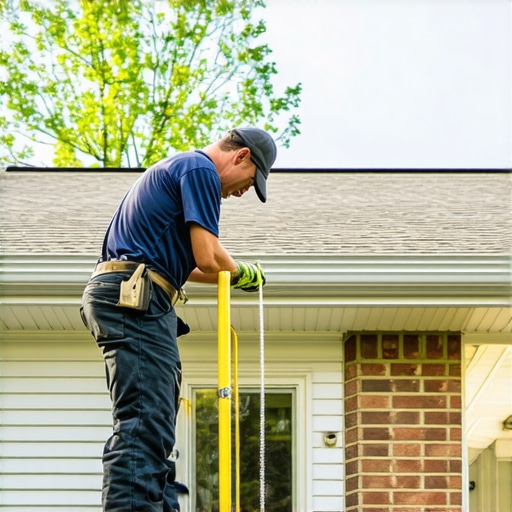
Understanding the Critical Role of Proper Drainage in Home Preservation
In the realm of home maintenance, drainage and gutter systems serve as the frontline defense against water intrusion that can compromise structural integrity. As experts in rainwater management, we recognize that a meticulously designed and maintained drainage system not only prevents water damage but also extends the longevity of your property. This article explores sophisticated strategies grounded in professional practice to optimize gutter and drainage efficiency, thereby safeguarding your home from the often unseen but devastating impacts of water infiltration.
Deciphering the Complex Interplay Between Gutter Design and Water Flow Dynamics
To master effective drainage, one must comprehend the fluid dynamics governing water movement along gutter systems. Modern design principles advocate for optimized gutter slopes that facilitate rapid water conveyance, reducing stagnation points that foster debris accumulation and overflow. Incorporating discrete downspout placements aligned with landscape slopes ensures gravitational assistance in directing water away from foundation vulnerabilities. For an in-depth review of best practices, consult expert guidelines such as those found in Gutter Installation and Repair Tips.
Innovative Techniques for Gutter Maintenance and Water Diversion
Beyond traditional cleaning, integrating advanced gutter protection systems—such as micro-mesh guards—can significantly reduce debris ingress and maintenance frequency. Regular professional gutter cleaning combined with seasonal inspections ensures unobstructed flow pathways. Additionally, strategic landscape grading and the installation of French drains in vulnerable zones act as supplementary measures to channel excess water away from the foundation, especially during heavy rainfall events.
What Are the Most Overlooked Factors Contributing to Drainage System Failure?
Could Improper Gutter Pitch or Insufficient Downspout Capacity Lead to Water Intrusion?
Indeed, incorrect gutter pitch—either too flat or too steep—can cause water stagnation or overshoot, respectively. Similarly, undersized downspouts may not handle peak flow rates, leading to overflow and potential foundation erosion. As part of a comprehensive water management plan, evaluating these parameters with professional tools and experience is essential for long-term efficacy. For detailed technical insights, refer to top gutter installation and drainage repair strategies.
If you’re seeking to elevate your home’s drainage resilience, consider consulting with an expert who can tailor solutions to your unique landscape and structural requirements. Share your professional insights or ask questions in our dedicated community forum to advance collective knowledge in rainwater management.
Refining Gutter Slope and Downspout Placement for Superior Drainage Efficiency
While fundamental gutter design involves proper slope and downspout positioning, advanced techniques focus on precision adjustments that maximize water flow and minimize risks of overflow. Fine-tuning gutter pitch using laser-guided levels ensures consistent water conveyance, especially on complex rooflines or uneven terrain. Effective gutter repair and installation practices, integrating high-capacity downspouts aligned with landscape contours, significantly reduce stagnation and overflow during heavy rains.
Leveraging Smart Technology for Proactive Drainage Monitoring
Emerging innovations include smart gutter sensors that alert homeowners to blockages or overflow risks in real-time. These systems, connected via IoT (Internet of Things), enable prompt intervention before minor issues escalate into costly repairs. By integrating such technology with your existing drainage infrastructure, you can maintain optimal water flow and protect your foundation proactively. For more insights, explore professional maintenance strategies that incorporate technological advancements.
What Are the Nuances of Designing a Resilient Drainage System for Extreme Weather Conditions?
How can homeowners anticipate and adapt to climate variability to ensure long-term drainage reliability?
Designing resilient drainage systems requires an understanding of climate patterns and the ability to adapt components accordingly. For instance, incorporating larger capacity gutters and downspouts, alongside landscape grading that directs water away from vulnerable zones, is crucial in areas prone to intense storms or rapid snowmelt. Additionally, installing French drains or other subterranean solutions can serve as secondary defenses, channeling excess water away from the foundation effectively. Consulting with drainage experts and referencing authoritative sources like the US Geological Survey can provide valuable insights into regional water behavior and inform adaptive strategies.
If you’re interested in elevating your home’s drainage resilience, consider seeking professional guidance tailored to your local climate and landscape. Sharing your experiences or questions in online forums can foster community-driven solutions and collective knowledge growth.
Harnessing Hydrological Modeling for Predictive Drainage Design
To elevate your drainage infrastructure, integrating hydrological models offers a sophisticated approach to anticipate water flow patterns during extreme weather. These models simulate how rainfall, snowmelt, and runoff interact with your landscape, enabling precise adjustments to gutter sizing, slope angles, and subterranean drainage components. By utilizing software such as HEC-HMS or SWMM, homeowners can visualize potential flood scenarios and optimize their systems proactively, rather than reactively.
Implementing Modular and Adaptive Drainage Solutions for Climate Variability
Considering the increasing unpredictability of weather, modular drainage systems that can be expanded or reconfigured provide a resilient solution. For example, installing adjustable downspouts or removable landscape barriers allows homeowners to adapt their water management strategies as climate patterns shift, ensuring consistent protection without extensive overhaul. These flexible configurations are especially valuable in regions experiencing rapid ecological changes, where static systems may become obsolete quickly.
Expert Insights: How Do Soil Types Influence Drainage System Efficacy?
Soil composition profoundly impacts how effectively water is absorbed and directed away from foundations. Sandy soils, with high permeability, facilitate rapid drainage but may require reinforcement to prevent erosion, while clay-rich soils tend to retain water, increasing flood risk. Incorporating geotechnical assessments into your drainage planning helps tailor solutions—such as installing French drains with gravel backfill or adding soil amendments—to match your landscape’s unique characteristics. For authoritative guidance, consult the USGS Soil Drainage Guidelines.
How Can Smart Technology Revolutionize Long-Term Drainage Maintenance?
Emerging smart systems utilize IoT sensors to monitor water levels and system performance continuously. These devices can detect early signs of blockages, leaks, or overflow, sending real-time alerts to homeowners or maintenance services. Such proactive monitoring drastically reduces the risk of catastrophic failures, saving costs and preventing property damage. For a deeper understanding of these innovative solutions, explore the latest research published by the Nature Scientific Reports on IoT in Civil Infrastructure.
Addressing the Nuances of Drainage System Design in Coastal Areas
Coastal regions demand tailored drainage solutions that account for saltwater intrusion, high humidity, and storm surge impacts. Designing resilient systems involves using corrosion-resistant materials, elevating critical components, and incorporating secondary drainage pathways such as underground retention basins. Additionally, integrating natural barriers like salt-tolerant vegetation can complement engineered systems, providing a hybrid approach to water management. For detailed regional strategies, refer to the NOAA Coastal Engineering Resources.
Leveraging Hydrological Analytics for Customized Drainage Optimization
Modern hydrological modeling offers unparalleled insights into site-specific water flow patterns, enabling precise calibration of gutter slopes, downspout capacities, and subterranean drainage. Utilizing software such as HEC-HMS or SWMM, experts can simulate extreme weather scenarios, ensuring your system is resilient against floods, snowmelt, and heavy rainfall. This proactive approach not only enhances efficiency but also minimizes long-term repair costs, establishing a new standard in home drainage resilience.
Innovative Material Technologies for Corrosion-Resistant Drainage Infrastructure
As climate variability intensifies, selecting durable materials becomes paramount. High-performance composites, such as fiberglass-reinforced polymers and advanced stainless steels, resist corrosion and saltwater intrusion, particularly in coastal or industrial zones. These materials extend the lifespan of gutters, downspouts, and underground pipes, reducing maintenance frequency and safeguarding structural integrity over decades. Consulting authoritative sources like the National Association of Corrosion Engineers provides further guidance on material selection.
What Are the Latest Innovations in Automated Drainage Monitoring Systems?
How can IoT-enabled sensors revolutionize long-term water management?
IoT sensors embedded within drainage systems enable real-time monitoring of flow rates, blockages, and structural health. These intelligent devices transmit data to centralized platforms, triggering alerts before minor issues escalate into costly failures. The integration of AI analytics further refines predictive maintenance schedules, optimizing resource allocation and ensuring continuous protection against water damage. For comprehensive insights into these technologies, review recent publications from the IEEE Xplore Digital Library.
Addressing Regional Soil and Climate Variability in Drainage Design
Tailoring drainage solutions to regional geotechnical and climatic conditions is essential. For instance, clay-heavy soils necessitate enhanced subterranean drainage, such as French drains with gravel backfill, to prevent water pooling. Conversely, sandy soils require reinforcement to prevent erosion while maintaining high permeability. Incorporating local climate data—such as storm frequency and intensity—into design parameters ensures your drainage system remains effective amidst changing environmental conditions. Refer to the USGS Soil and Water Resources resources for region-specific guidelines.
How Can Landscape Architecture Enhance Drainage Efficacy?
Integrating landscape design principles, including contouring and plant selection, can significantly improve passive water management. Implementing swales, rain gardens, and permeable pavements reduces runoff volume and directs water toward natural absorption zones. Native, salt-tolerant vegetation further stabilizes soil and enhances ecological resilience, especially in coastal or flood-prone areas. Consulting landscape architects with expertise in hydrological design ensures these features complement your structural drainage infrastructure seamlessly.
What Role Do Emerging Eco-Friendly Materials Play in Sustainable Drainage?
Innovations in biodegradable and recycled materials are paving the way for environmentally sustainable drainage systems. Bioplastics and recycled polymers offer corrosion resistance while minimizing ecological footprints. Incorporating green infrastructure elements—such as vegetated swales and permeable paving—reduces urban heat islands and enhances stormwater infiltration. Exploring resources like the Green Roofs & Green Infrastructure Association can provide additional insights into eco-conscious design practices.
Expert Insights & Advanced Considerations
1. Hydrological Modeling Enhances System Precision
Utilizing sophisticated hydrological models such as HEC-HMS or SWMM allows experts to simulate extreme weather scenarios, optimizing gutter sizing and slope angles for maximum resilience against floods and runoff, thereby reducing long-term maintenance costs.
2. Soil Type Significantly Influences Drainage Design
Understanding regional soil properties—whether sandy, clay-rich, or loamy—enables tailored solutions like gravel-backfilled French drains or soil amendments, ensuring effective water absorption and minimizing erosion or pooling issues.
3. Smart IoT Technology Revolutionizes Maintenance
Integrating IoT sensors within drainage systems facilitates real-time monitoring of water flow and blockage detection, enabling proactive maintenance and early intervention, which extends system lifespan and prevents property damage.
4. Modular and Adaptive Systems Offer Climate Resilience
Designing modular components such as adjustable downspouts and reconfigurable landscape barriers provides flexibility to adapt to shifting climate patterns, ensuring continuous protection even as environmental conditions evolve.
5. Landscape Architecture Enhances Passive Water Management
Incorporating passive design features like rain gardens, swales, and permeable pavements reduces runoff volume and directs water to natural absorption zones, significantly augmenting engineered drainage solutions.
Curated Expert Resources
- US Geological Survey (USGS) Soil and Water Resources: Offers comprehensive regional data critical for tailored drainage planning and understanding soil-water interactions.
- National Association of Corrosion Engineers (NACE): Provides guidance on selecting durable, corrosion-resistant materials suitable for various environmental conditions.
- IEEE Xplore Digital Library: Features cutting-edge research on IoT-enabled smart drainage monitoring systems and technological innovations.
- Green Roofs & Green Infrastructure Association: Explores eco-friendly, sustainable materials and landscape integration strategies for resilient drainage.
Final Expert Perspective
Mastering sophisticated drainage strategies for home resilience demands a comprehensive understanding of hydrological modeling, soil dynamics, and emerging smart technologies. Integrating passive landscape features with modular, adaptive infrastructure not only enhances water management but also future-proofs your property against climate variability. For those committed to excellence in rainwater management, engaging with authoritative resources and expert consultation is paramount. We invite professionals and enthusiasts alike to share insights, ask questions, or explore advanced solutions—your contribution is vital to evolving best practices in this critical domain.
This article offers some really in-depth insights into the importance of proper drainage design and maintenance. I especially appreciate the emphasis on integrating smart technology like IoT sensors for proactive monitoring—my recent experience with a smart gutter system has definitely helped prevent minor blockages before they caused any damage. It’s fascinating how these innovations are shaping home water management systems. Personally, I’ve found that landscape grading and soil type also play crucial roles, particularly here in the Midwest where clay-heavy soils can pose challenges for effective drainage. Have others here experimented with hydrological modeling software like HEC-HMS or SWMM? I’m curious about how accessible these tools are for the average homeowner and whether they’ve found them useful in planning adjustments for heavy rainfall scenarios. Overall, combining traditional techniques with smart technology and landscape planning seems to be the way forward for resilient home drainage. Would love to hear more about others’ experiences with implementing these advanced solutions.