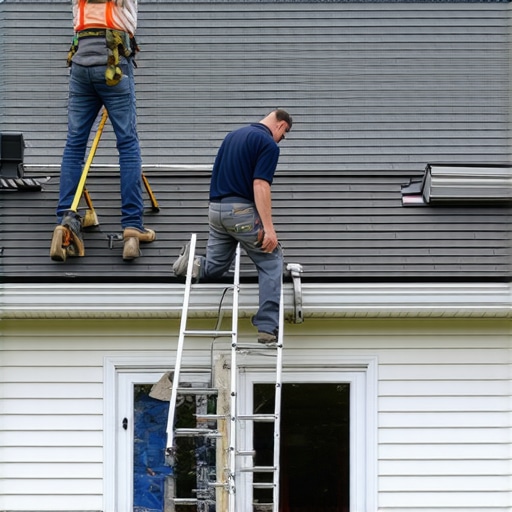
Elevating Gutter Systems: A Nuanced Approach to Durability and Efficiency
Proper gutter installation and proactive drainage management are pivotal in safeguarding residential and commercial structures from water damage. Advanced techniques in gutter replacement integrate an understanding of landscape grading, material resilience, and seamless integration with roofing systems. As experts in the field, we recognize that each project embodies complexities demanding meticulous planning, from selecting the optimal gutter material—such as seamless aluminum to rust-resistant stainless steel—to implementing precise pitch calculations that ensure efficient runoff.
The Critical Role of Strategic Placement in Long-term Drainage Solutions
Strategic placement of gutters involves considerations beyond mere positioning, extending into structural integrity and environmental factors. Professionals prioritize secure mounting to prevent sagging, which impairs water flow, and incorporate integrated leaf guards to minimize maintenance costs. Moreover, aligning downspouts with natural drainage pathways or municipal water collection systems guarantees that excess water is effectively diverted, reducing pressure on foundation and landscaping.
Innovative Gutter Designs Culminating in Superior Home Protection
Innovations such as tapered profiles and hidden hangers not only enhance aesthetic appeal but also bolster functionality. Implementing these designs requires expertise in detailed measurements and material handling, emphasizing the importance of professional installation to prevent common pitfalls like leaks or misalignment. Coupled with modern drainage pipe solutions, these strategies cultivate resilient water management architecture, extending the lifespan of the entire property envelope.
What Are the Most Critical Factors for Ensuring Gutter System Longevity?
Ensuring longevity hinges on several intertwined factors: material selection, precise installation, routine maintenance, and compatibility with existing roofing structures. Additionally, environmental considerations, such as local rainfall intensity and wind patterns, influence design choices and installation practices. Engaging with a seasoned contractor can mitigate issues like improper pitch or insecure mounting, which are frequent causes of early gutter failure. For comprehensive insights into this layered approach, consult authoritative sources such as the American Technical Support Corporation.
Mastering Gutter Repair Tactics for Sustained Effectiveness
Beyond installation, ongoing maintenance plays a vital role in preserving gutter performance. Techniques such as real-time leak detection, debris removal, and structural reinforcement are essential. When repairs are necessary, employing trusted materials and adhering to manufacturer specifications ensures lasting results. Fast, expert repairs often involve reinforcing brackets, sealing joints, and replacing damaged sections, which collectively sustain the system’s integrity and prevent water intrusion into the property’s foundation.
How Can Advanced Gutter Technologies Revolutionize Water Management in High-Rainfall Regions?
Emerging innovations in gutter technology, including smart sensors and automated cleaning systems, promise to redefine efficiency standards, particularly in zones characterized by intense weather patterns. These systems provide real-time monitoring and proactive maintenance alerts, minimizing risks associated with overflow or clogging. Embracing such advancements requires a strategic investment and an understanding of integration with existing infrastructure, a topic ripe for continuing expert discussion.
Explore further insights and contribute your professional experiences on advanced drainage solutions and gutter system optimizations by visiting our comprehensive resource portal. A robust drainage strategy is foundational to durable, water-tight properties that withstand the rigors of climate variability.
Beyond Basic Cleaning: How to Elevate Your Gutter Care Routine
While routine gutter cleaning remains essential in maintaining effective water flow, implementing advanced maintenance strategies can significantly extend the lifespan of your system. Incorporating regular inspections, strategic debris removal, and early detection of wear and tear helps prevent costly repairs and water damage. For instance, professionals recommend inspecting brackets, seals, and downspouts periodically, especially after severe weather events, to identify potential issues before they escalate. To explore comprehensive maintenance techniques that yield long-term benefits, visit our expert guide on gutter upkeep.
Innovating with Smart Gutter Technologies for Modern Homes
The rise of smart home systems has extended into gutter management, offering revolutionary solutions like sensor-equipped gutters that monitor clogging, leaks, or overflow in real-time. These technologies enable homeowners to receive immediate alerts via smartphone apps, facilitating prompt action and reducing the risk of water intrusion or foundation damage. Integrating such devices requires understanding electrical wiring, weather resilience, and compatibility with existing drainage infrastructure—considerations best addressed by seasoned experts to ensure seamless functionality. For more on technological advancements, check out our resource on innovative drainage solutions.
How Can Data-Driven Maintenance Transform Long-Term Gutter Performance?
Adopting a data-driven approach involves leveraging monitoring tools and historical maintenance records to predict potential failures and optimize repair schedules. By analyzing performance trends, homeowners and contractors can implement predictive maintenance models, reducing downtime and enhancing overall system reliability. Such an approach aligns with industry best practices, emphasizing proactive rather than reactive strategies, and is supported by authoritative sources like the American Technical Support Corporation, which advocates for integrating technical data into traditional management practices.
Engage with experts to tailor a smart maintenance plan suitable for your specific environment and property needs, ensuring your gutter system performs optimally over its lifespan. For additional insights into systemic improvements, consider exploring our strategic maintenance resources.
.
Harnessing Material Science for Unmatched Gutter Durability
The backbone of a resilient gutter system lies in the selection of advanced materials engineered to withstand environmental stressors. Recent developments in polymer composites and nano-enhanced metals have introduced options that offer heightened resistance to corrosion, UV degradation, and mechanical impact. For example, incorporating graphene-based coatings on aluminum gutters has shown promising results in extending service life while maintaining lightweight profiles.
Understanding the intricacies of these materials requires expertise in material science and environmental engineering, ensuring that chosen options align with specific regional challenges such as coastal salt spray or extreme temperature fluctuations. Collaborating with specialists can facilitate the integration of these cutting-edge materials into your projects, providing a significant edge over traditional solutions.
Designing for Multi-Season Climate Extremes to Prevent Failures
Designing gutters that thrive amidst seasonal fluctuations involves more than just selecting high-quality materials; it demands a nuanced approach to structural engineering. For instance, in regions subject to freeze-thaw cycles, expansion joints and thermal breaks within gutter profiles mitigate stress accumulation that could lead to cracking or warping.
Engineers also implement adaptive slope algorithms that account for varying rainfall intensities and snowfall patterns. These methodologies require detailed climate data analysis and simulation techniques, often utilizing Computational Fluid Dynamics (CFD) models to optimize flow rates and prevent ice dam formation. Integrating these sophisticated design principles ensures predictable performance, minimizing maintenance and costly repairs over the gutter’s lifespan.
How Do Microclimates Influence Gutter Performance and Material Choices?
Microclimates—localized climate variations influenced by factors like topography, vegetation, and human activity—pose unique challenges to gutter durability. In shaded, moist environments, material choices must prioritize mold resistance and corrosion protection, whereas in windy areas, structural reinforcement becomes paramount. Recognizing these nuances requires comprehensive site assessments and customized solutions, often involving real-time environmental monitoring systems.
For example, deploying sensors that track humidity and temperature fluctuations can inform dynamic adjustments in gutter maintenance schedules or material application, ensuring optimal longevity regardless of microclimatic conditions. Engaging with environmental consultants and structural engineers is crucial in tailoring such adaptive strategies, pushing the boundaries of conventional gutter design.
Integrating Gutter Systems with Advanced Water Management Frameworks
Beyond the physical components, integrating gutter systems into holistic water management frameworks enhances overall resilience. This involves coupling gutters with rainwater harvesting units, permeable landscaping, and detention basins that dissipate runoff energy before reaching foundations. Such integrated systems require a multidisciplinary approach, tying civil engineering principles with environmental sustainability practices.
Smart sensors and IoT devices can monitor system performance, providing feedback loops that inform real-time operational adjustments. For instance, automated valves can regulate water flow based on forecasted rainfall, reducing overflow risks and promoting sustainable water reuse. Implementing these interconnected solutions necessitates collaboration among engineers, data scientists, and environmental planners, fostering innovative pathways toward resilient urban water infrastructures.
What Role Do Predictive Analytics Play in Future Gutter Maintenance Cycles?
Predictive analytics harness historical performance data and machine learning algorithms to forecast potential system failures before they occur. By analyzing patterns such as joint wear, bracket fatigue, and clogging frequencies, maintenance schedules can shift from reactive to proactive, substantially reducing downtime and repair costs.
For example, integrating sensor data with predictive models allows contractors to identify early indicators of corrosion or structural weakening, enabling timely interventions. This strategic data utilization aligns with Industry 4.0 principles, transforming traditional gutter management into intelligent, self-optimizing systems. To leverage these advancements fully, partnerships with data analytics firms specializing in civil infrastructure are essential, pushing the frontier of durable water management solutions.
Engaging in continuous innovation and adopting a holistic perspective leveraging material science, design engineering, environmental analysis, and predictive analytics marks the path toward truly resilient gutter systems. For professionals committed to excellence, exploring emerging technologies and best practices through specialized industry forums, technical publications, and collaborative projects remains vital. Discover more about integrating these advanced strategies into your projects by connecting with leading experts and accessing ongoing research dedicated to sustainable, high-performance water management solutions.
,
Breaking Conventional Limits in Gutter Durability and Integration
As modern infrastructure demands become increasingly sophisticated, traditional gutter solutions often fall short in addressing multifaceted environmental challenges. Leading-edge design now incorporates **multi-functional materials** that not only resist corrosion but also contribute to eco-friendly water conservation initiatives.
By integrating **nanostructured coatings** with smart materials, gutters evolve into active components of urban water cycles, fostering sustainability and resilience. This paradigm shift necessitates a deep understanding of material science innovations and their practical application within complex building systems.
Why Environmental Feedback Loops Will Transform Maintenance Protocols
In the realm of advanced water management, real-time environmental data plays a pivotal role. Sensors embedded within gutter assemblies monitor parameters like **humidity, debris accumulation, and flow rate**, transmitting data to centralized control units. This creates a **feedback loop** that informs immediate maintenance actions, greatly reducing the risk of overflow or structural damage.
Such intelligent systems embody a transition from reactive repairs to **predictive maintenance**, optimizing resource allocation and increasing lifespan. Integrating these feedback mechanisms demands a confluence of **IoT technology, environmental analytics**, and predictive modeling—domains requiring specialized expertise.
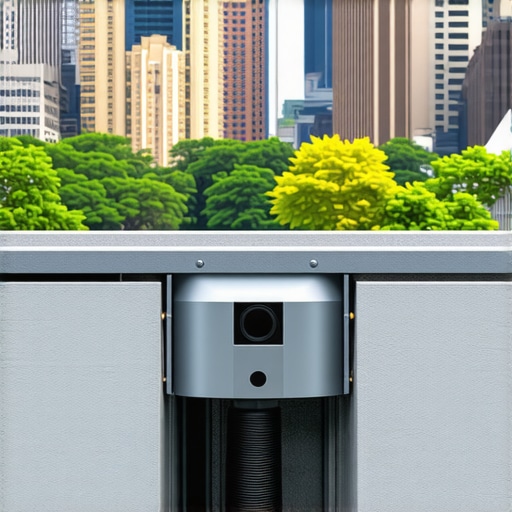
Strategic Placement in Complex Architectural Landscapes
Optimizing gutter placement extends beyond simple alignment; it involves **customized solutions** tailored to intricate roof geometries and surrounding microclimates. This includes deploying **adaptive downspout routing** and adjustable brackets designed to withstand variable load stresses.
Employing **computational simulations**, such as CFD modeling, allows for precise adjustments that maximize drainage efficiency while preserving aesthetic coherence. Such advanced placement strategies are critical in large-scale and high-altitude buildings, demanding an interdisciplinary approach that merges architecture, fluid dynamics, and environmental psychology.
How Can Material Science Elevate Long-Term Water Management Systems?
Recent advancements in **composite nanomaterials** promise unprecedented durability, especially under extreme environmental conditions like coastal salt exposure or arid heat. Materials infused with **graphene-enhanced coatings** dramatically improve resistance to corrosion, UV degradation, and mechanical impact.
Integrating these materials into gutter manufacturing requires a mastery of **nanotechnology application techniques** and an understanding of regional environmental stressors—expert knowledge that translates into smarter, longer-lasting infrastructure. Collaborations with materials scientists are essential to leverage these breakthroughs effectively.
The Future of Data-Driven Drainage Optimization
Applying **machine learning algorithms** to accumulated historical maintenance records and sensor data fosters the development of **dynamic predictive models**. These models can forecast failures such as joint fatigue or clogging before symptoms manifest, enabling preemptive interventions.
Such data-centric approaches align with **Industry 4.0 principles**, transforming gutter management from routine maintenance into a highly refined, self-regulating system. Professionals investing in **analytics competency and sensor integration** stand at the forefront of this transition, revolutionizing future maintenance paradigms. For comprehensive insights, consult specialized agencies with expertise in infrastructural analytics.
Designing Resilient Systems for Climate Extremes
Engineering gutters capable of withstanding **climate fluctuations** involves innovative features like **thermal expansion joints** and **flexible joint sealants** that accommodate seasonal movements. Incorporating **adaptive flow regulators** and **freeze-resistant materials** ensures integrity during temperature swings.
Utilizing **climate modeling** data allows engineers to simulate performance across various scenarios, informing custom design solutions that preempt failure modes specific to microclimates—be it high-wind zones, freezing terrains, or intense monsoon regions.
The Impact of Microclimate Variability on Material Selection
Localized environmental factors significantly influence the longevity of gutter systems. In shaded, humid microclimates, selecting **mold-resistant composites** with enhanced corrosion inhibitors becomes essential. Conversely, in exposed windy areas, **structurally reinforced brackets** and aerodynamic profiles mitigate mechanical stress.
Deploying **real-time environmental sensors** enables adaptive maintenance routines, tailoring interventions based on microclimatic shifts. Professionals must undertake **comprehensive site assessments** coupled with **dynamic material selection protocols** to ensure robustness and durability across diverse microenvironments.
Synergizing Gutter Integration with Urban Water Strategies
Holistic water management in urban settings now emphasizes **integrated drainage systems** that combine gutters with rain gardens, permeable pavements, and detention basins. These systems promote **stormwater harvesting** and **urban flood mitigation**, transforming traditionally passive components into active infrastructure elements.
Incorporation of **sensor networks** and **automated flow control** devices facilitates a **smart water cycle**, reducing dependency on municipal systems and fostering sustainability. Achieving seamless integration calls for **interdisciplinary collaboration** among civil engineers, environmental planners, and data scientists—an approach that defines future-proof urban infrastructure.
How Can Predictive Analytics Revolutionize Long-Term Gutter Maintenance?
By leveraging **machine learning models** trained on extensive performance datasets, maintenance can evolve from schedule-based routines to **anticipatory strategies** that precisely target potential failure points. Early detection of issues like **joint erosion, bracket fatigue, or clogging** dramatically reduces unforeseen outages.
Integrating sensor data with analytics platforms creates actionable insights, enabling **timely repairs** and **preventive replacements**. Alignment with **digital twin technologies** enhances this proactive approach, transforming gutter management into a sophisticated, self-optimizing process that maximizes lifespan and efficiency. Engaging in collaborations with data analytics experts equips contractors and engineers with the tools to implement such advanced systems effectively.
Expert Tips That Redefine Long-Term Gutter Success
Leverage Material Science for Enhanced Resilience
Integrating cutting-edge nanomaterials and composites into gutter design can significantly extend lifespan and resistance to environmental stressors. These innovations offer superior corrosion resistance, UV stability, and mechanical strength, ensuring your systems withstand demanding climates and prolonged exposure.
Optimize Placement Through Computational Fluid Dynamics
Applying CFD modeling allows for precise planning of gutter placement, ensuring optimal water flow and reducing overflow risks. This advanced approach accounts for roof geometry, microclimates, and seasonal variations, leading to tailored solutions that surpass generic installations.
Embrace Smart Drainage Technologies
The integration of IoT sensors and automated flow regulators transforms traditional gutters into intelligent water management systems. Real-time data collection and adaptive control facilitate proactive maintenance, preventing blockages and structural stress before issues manifest.
Refine Maintenance with Data-Driven Insights
Analyzing historical performance and sensor feedback empowers contractors to predict failures and schedule interventions efficiently. This predictive maintenance minimizes disruptions and maximizes system longevity, aligning infrastructure with future resilience demands.
Design for Climate Extremes
Engineering gutters with adaptive features like thermal expansion joints and freeze-resistant materials ensures performance stability through temperature fluctuations. Incorporating climate modeling guides the design process, resulting in systems that maintain integrity in diverse environmental conditions.
Authoritative Resources to Elevate Your Expertise
- American Technical Support Corporation (ATSCO): Renowned for comprehensive standards and industry best practices in gutter and drainage system design.
- Materials Science Journals: Publications detailing nanostructured coatings and composites relevant to durable gutter materials.
- CFD Software Tutorials: Specialized training on fluid dynamics modeling to optimize gutter placement and performance.
- IoT in Infrastructure Publications: Insights into integrating smart sensors and automated systems within water management frameworks.
- Climate Data Portals: Regional weather and microclimate information critical for resilient gutter design considerations.
How High-Level Expertise Can Shape Your Projects
Incorporating advanced material science, precise placement strategies, and smart technology elevates gutter systems beyond conventional solutions, achieving unmatched durability and efficiency. Embracing these expert insights positions professionals at the forefront of innovation, enabling the creation of resilient, sustainable infrastructure. Explore further by engaging with industry leaders and integrating proven practices—your next project’s success depends on it.
,