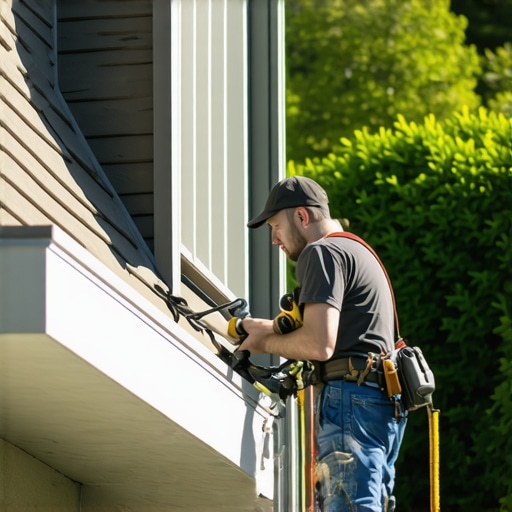
Elevating Home Durability: The Critical Role of Expert Drainage and Gutter Solutions
Effective water management is a cornerstone of resilient home infrastructure. As an authority in drainage and gutter systems, I emphasize that understanding the complexities of water runoff, erosion control, and structural protection requires a nuanced approach rooted in scientific principles and field-tested practices. Properly maintained drainage and gutters are not mere aesthetic features; they are integral to preventing water intrusion, foundation damage, and long-term structural degradation.
Unveiling the Nuances of Home Drainage Systems: Beyond the Basics
At the heart of durable home protection lies a sophisticated understanding of hydrological dynamics and soil stability. Modern drainage solutions integrate advanced concepts such as hydraulic gradient management and geotechnical considerations. These elements ensure that water is directed efficiently, minimizing hydrostatic pressure against foundations and preventing water pooling that can lead to erosion.
Innovative Gutter Technologies: Enhancing Capacity and Longevity
Advanced gutter systems employ materials like seamless aluminum or polymer composites, which resist corrosion and reduce maintenance frequency. Incorporating features such as gutter guards and automated cleaning mechanisms extends system lifespan and maintains optimal flow capacity. These innovations are underpinned by rigorous testing and are crucial for long-term drainage resilience.
How Can Field Expertise Anticipate and Mitigate Drainage Failures?
Field experts utilize site-specific assessments and predictive modeling to identify potential failure points before they manifest as costly damages. This proactive approach involves analyzing terrain topography, soil absorption rates, and climate patterns. For instance, implementing drainage repair techniques tailored to local conditions can substantially mitigate risks associated with heavy rainfall or rapid snowmelt.
What are the most effective strategies to prevent clogging and overflow in high-intensity storm scenarios?
Understanding the interaction between gutter design and stormwater volume is essential. Installing oversized gutters, incorporating leaf protection systems, and ensuring proper downspout orientation are foundational. Additionally, integrating regular cleaning protocols and professional inspections enhances system reliability during extreme weather events.
For further insights on optimizing your drainage infrastructure, explore comprehensive drainage and gutter maintenance strategies. Sharing your own experiences or consulting with drainage specialists can lead to tailored solutions that significantly extend your home’s resilience against water-related damages.
Harnessing Predictive Analytics for Superior Drainage System Design
Incorporating predictive analytics into drainage planning revolutionizes how homeowners and professionals anticipate water flow challenges. By analyzing historical climate data, soil absorption rates, and terrain topography, experts can develop models that predict potential failure points before they manifest. This proactive approach minimizes costly repairs and enhances system longevity. For detailed insights on how data-driven strategies can improve your drainage setup, visit expert drainage solutions.
Can Smart Gutter Technologies Outperform Traditional Systems?
Emerging smart gutter technologies leverage sensors and automation to monitor flow rates, detect blockages, and trigger alerts in real-time. These systems can automatically activate cleaning mechanisms or notify homeowners via mobile apps, ensuring ongoing performance without manual intervention. While traditional gutters rely heavily on routine maintenance, smart systems provide continuous oversight, potentially preventing overflow during heavy storms. As the integration of IoT (Internet of Things) continues to advance, understanding the practical benefits and limitations of smart gutter solutions becomes essential for homeowners seeking cutting-edge protection.
What innovative tools can experts use to diagnose hidden drainage issues?
Advanced diagnostic tools such as thermal imaging cameras, ground-penetrating radar, and drone inspections enable experts to detect underlying problems invisible to the naked eye. These technologies reveal issues like underground clogs, soil erosion, or compromised pipe integrity, allowing for targeted repairs before water damage occurs. Incorporating these tools into regular maintenance routines can significantly improve the reliability of your drainage system. For more on expert diagnostic techniques, explore drainage repair tips.
If you’re interested in learning more about innovative drainage solutions and smart gutter systems, sharing your questions or experiences can spark valuable community discussions. Consider commenting below or suggesting additional topics for future articles that address your specific needs.
Leveraging Hydrodynamic Modeling to Predict and Enhance Drainage Performance
Modern hydrodynamic modeling offers a transformative approach to designing and optimizing drainage systems, especially in complex terrains where traditional methods fall short. Utilizing computational fluid dynamics (CFD), engineers can simulate water flow under various storm scenarios, allowing for precise identification of potential bottlenecks and failure points. This proactive methodology not only enhances system resilience but also reduces long-term maintenance costs by enabling data-driven adjustments before issues arise.
Integrating Geospatial Analytics for Site-Specific Drainage Solutions
Advanced geospatial analytics harness satellite imagery, LiDAR data, and GIS technology to create detailed terrain maps that inform drainage design. By analyzing soil types, slope gradients, and surface imperviousness, experts can tailor solutions that optimize water runoff and infiltration. This precision ensures that drainage systems are harmonized with the natural landscape, mitigating risks of erosion and water pooling while enhancing ecological compatibility.
Expert Insights: How Can Predictive Maintenance Extend Drainage System Lifespan?
Predictive maintenance, powered by IoT sensors and machine learning algorithms, is revolutionizing system longevity. By continuously monitoring flow rates, moisture levels, and structural integrity, these technologies enable early detection of blockages, corrosion, or pipe degradation. Implementing predictive analytics facilitates timely interventions, minimizing emergency repairs and ensuring uninterrupted drainage performance. As noted by the American Society of Civil Engineers, integrating sensor data into maintenance routines significantly prolongs infrastructure lifespan and enhances resilience.
What are the most sophisticated diagnostic tools for underground drainage assessment?
Experts increasingly rely on ground-penetrating radar (GPR), acoustic leak detection, and robotic inspection drones to assess underground systems without invasive excavation. These tools reveal hidden issues such as pipe fractures, root intrusions, or sediment buildup, enabling targeted repairs that preserve system integrity. Incorporating such advanced diagnostics into routine inspections ensures early problem detection, thereby preventing costly failures and water damage.
For homeowners and professionals eager to stay ahead of drainage challenges, investing in these cutting-edge diagnostic tools and predictive analytics is paramount. To explore how these innovations can be tailored to your specific site conditions, consider consulting with a drainage specialist who employs such state-of-the-art techniques. Your proactive approach today will safeguard your property’s structural health for years to come.
Harnessing Hydrodynamic and Geospatial Technologies for Next-Level Drainage Optimization
In the realm of sophisticated water management, integrating cutting-edge hydrodynamic modeling with geospatial analytics marks a pivotal evolution. Computational Fluid Dynamics (CFD) simulations, when combined with high-resolution satellite imagery and LiDAR data, enable engineers to craft drainage solutions tailored precisely to complex terrains. This synergy facilitates the anticipation of flow bottlenecks, erosion hotspots, and capacity deficiencies, thereby allowing for preemptive system enhancements that significantly elevate resilience and longevity.
Can AI-Driven Predictive Maintenance Revolutionize Your Drainage Infrastructure?
Artificial Intelligence (AI) and machine learning algorithms are transforming maintenance paradigms by enabling continuous, real-time monitoring of system health. Smart sensors track parameters such as moisture levels, flow rates, and structural integrity, feeding data into predictive models that forecast potential failures with remarkable accuracy. As highlighted in recent studies by the American Society of Civil Engineers, such proactive strategies extend infrastructure lifespan, reduce repair costs, and optimize resource allocation. Embracing these technologies positions homeowners and professionals at the forefront of resilient water management.
What are the latest innovations in underground drainage diagnostics?
Emerging diagnostic tools like robotic inspection drones, ground-penetrating radar (GPR), and acoustic leak detection significantly enhance underground system assessments. These non-invasive technologies reveal hidden issues—such as pipe fractures, root intrusions, sediment buildup, or leaks—that traditional methods might overlook. Incorporating advanced diagnostics into routine inspections ensures early intervention, preventing water damage and maintaining system integrity. For expert insights, consult specialists who leverage these state-of-the-art tools to safeguard your drainage infrastructure.
How Can Smart Gutter Systems Outperform Conventional Designs?
Smart gutter systems equipped with IoT sensors continuously monitor flow rates, detect blockages, and automatically trigger cleaning protocols or send alerts via mobile applications. This automation minimizes manual maintenance, ensures optimal performance during heavy storms, and reduces overflow risks. As IoT integration advances, these intelligent systems promise unprecedented reliability and efficiency, transforming traditional gutter management into a proactive, data-driven process. To explore the full potential of smart gutter solutions, consult industry leaders in home automation and water management technologies.
Why is a multidisciplinary approach critical for modern drainage solutions?
Addressing the complexities of contemporary water management necessitates a multidisciplinary approach that synthesizes civil engineering, environmental science, data analytics, and smart technology. This convergence facilitates holistic solutions—optimizing system design, anticipating failure points, and ensuring ecological compatibility. Engaging experts across these domains leads to innovative, sustainable, and resilient drainage infrastructures that stand the test of climate variability and urban development pressures. For tailored advice, connect with seasoned professionals who integrate these diverse fields into comprehensive strategies.
Expert Insights & Advanced Considerations
1. Hydrological Dynamics Require Precision Design
Understanding the intricacies of water flow, soil absorption, and terrain topography is essential. Experts recommend integrating hydrodynamic modeling to anticipate flow bottlenecks and erosion points, ensuring your drainage system operates efficiently under extreme weather conditions.
2. Material Selection Significantly Extends System Longevity
Choosing corrosion-resistant, durable materials such as seamless aluminum or high-grade polymers for gutters reduces maintenance and prevents early failure. These materials, combined with innovative features like gutter guards, enhance system performance and lifespan.
3. Advanced Diagnostic Tools Enable Early Issue Detection
Utilize ground-penetrating radar, thermal imaging, and drone inspections to identify underground pipe fractures or root intrusions before they cause water damage. Incorporating these diagnostics into routine inspections ensures proactive maintenance.
4. Smart Technologies Transform Gutter Management
IoT-enabled gutter systems with sensors can monitor flow rates and detect blockages in real-time. Automated cleaning protocols and alert systems help maintain optimal performance during heavy storms, reducing manual oversight.
5. Geospatial Analytics Facilitate Site-Specific Solutions
Leveraging satellite imagery, LiDAR, and GIS data allows for precise terrain mapping. Tailoring drainage solutions to natural landscape features minimizes erosion risks and enhances ecological harmony.
Curated Expert Resources
- American Society of Civil Engineers (ASCE): Offers authoritative guidelines on civil infrastructure resilience and innovative drainage solutions.
- National Institute of Standards and Technology (NIST): Provides research on materials science and smart infrastructure technologies applicable to gutter systems.
- Hydraulic Institute: Specializes in pump and system design standards crucial for effective water management.
- GIS and Remote Sensing Journals: Publish the latest advances in geospatial analytics for site-specific drainage planning.
- Industry-leading Drainage and Gutter Technology Providers: Showcase cutting-edge products like IoT sensors and predictive maintenance platforms.
Final Expert Perspective
Mastering the complexities of home drainage and gutter systems demands a multidisciplinary approach rooted in scientific rigor and technological innovation. By leveraging advanced modeling, diagnostic tools, and smart technologies, homeowners and professionals can significantly enhance system resilience and longevity. Engaging with authoritative resources and staying abreast of industry advancements ensures your water management strategies are both effective and sustainable. For those committed to excellence, continuous learning and proactive maintenance are the keys to safeguarding your property’s structural integrity against water-related challenges. Your next step? Dive deeper into these expert insights and share your experiences or questions to foster a community of resilient, water-smart homes.
This post really highlights how integral advanced hydrological and geotechnical understanding is for designing resilient drainage systems. I’ve noticed in my own experience that regular site assessments using tools like ground-penetrating radar can uncover underground issues before they escalate into costly repairs. It’s fascinating how predictive analytics and smart sensors are now becoming standard in maintaining and optimizing these systems. My question is: for homeowners in areas prone to rapid erosion or heavy rainfall, what immediate steps would you recommend to enhance their existing drainage infrastructure while planning for more sophisticated upgrades? I believe that combining practical, immediate measures with long-term technological solutions can substantially improve a home’s resilience against water damage.
Your comprehensive overview of drainage and gutter systems really underscores how critical a scientific and technological approach is for home durability. In my experience, especially in regions with unpredictable weather, combining traditional maintenance with modern innovations can make a real difference. For example, installing oversized gutters and leaf protection systems can immediately reduce clogging issues during storms. Additionally, I’ve seen great results by incorporating simple water diversion techniques at the landscape level, such as berms or gravel trenches, which help minimize pressure on the main drainage infrastructure.
What I find intriguing is how predictive analytics and smart sensors are increasingly enhancing maintenance routines. For homeowners in erosion-prone areas, do you recommend starting with these advanced solutions, or would you advise focusing first on foundational modifications like improving ground grading and drainage pathways? Personally, I think that assessing the existing landscape and implementing immediate physical improvements while planning for future smart technology integration offers a balanced, cost-effective strategy for long-term resilience.
This article sheds light on the importance of a holistic approach to home drainage, combining advanced scientific principles with practical solutions. From personal experience, I’ve seen how simple measures like ensuring proper ground grading and installing oversized gutters can drastically reduce overflow problems during heavy storms. What I find particularly intriguing is the growing role of predictive analytics and smart sensors in proactively identifying drainage issues before they escalate—saving homeowners both time and money. I do wonder, for homeowners in areas with frequent erosion or intense rainfall, do you suggest prioritizing basic physical modifications first, or should they immediately begin investing in smart technologies? Personally, I believe starting with foundational physical upgrades can provide immediate protection, which then can be complemented by smart systems as part of a long-term strategy. It would be great to hear from others about their experiences balancing these approaches—what has worked best for your home? Understanding this balance can help more homeowners plan effectively for durable, water-resilient property.
This comprehensive post truly emphasizes how crucial advanced water management strategies are for long-term home durability. In my own experience renovating older properties, implementing high-quality seamless gutters combined with automation features like leaf guards has drastically reduced maintenance time and prevented water damage during heavy rains. I’ve also started incorporating simple landscape modifications, such as installing small berms away from the foundation, which seem to effectively divert excess water and reduce pressure on the drainage system. It’s fascinating to see how predictive analytics and IoT sensors now provide real-time insights into a system’s health, allowing for proactive repairs. I wonder, for homeowners just beginning to modernize their drainage systems, what would be the most practical first step? Should they focus on foundational physical upgrades, or invest in smart monitoring technologies from the outset? Personally, I believe a balanced approach—starting with simple physical enhancements followed by integrating smart tech—can be the most cost-effective way to safeguard property and reduce long-term costs.