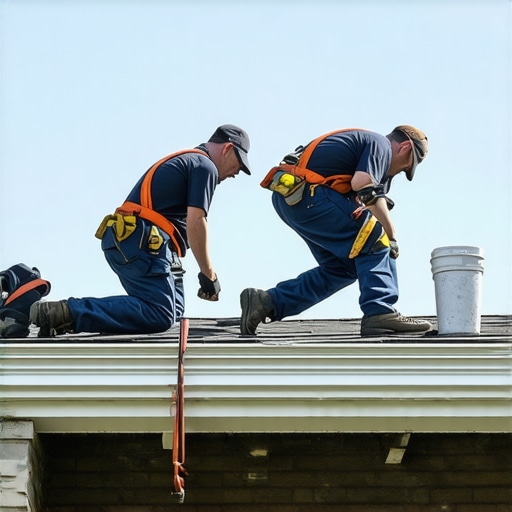
Effective gutter installation and maintenance are pivotal elements in safeguarding property structures against water-related damage. As drainage experts, we recognize that a sophisticated understanding of gutter dynamics and drainage solutions not only prevents immediate issues like basement flooding but also ensures enduring structural integrity. By integrating advanced repair strategies, innovative drainage systems, and meticulous cleaning protocols, homeowners and professionals alike can elevate water management practices to meet the challenges posed by climate variability and urbanization.
Innovative Gutter Systems: Beyond Traditional Designs for Enhanced Water Management
Modern gutter installation strategies incorporate high-capacity materials and seamless designs that mitigate leak risks. Seamless gutters, for instance, reduce joints where debris accumulation and leaks typically occur, thereby enhancing durability. Moreover, integrating gutter guards and leaf screens complements expert repair techniques, preventing blockages that compromise drainage efficiency. According to a comprehensive report by the Journal of Building Engineering, optimized gutter systems substantially reduce maintenance costs and extend service life.
Drainage Optimization: Leveraging Soil and Topography for Long-Lasting Solutions
Effective drainage design capitalizes on site-specific soil properties and landscape contouring. Employing gravity-fed drainage pathways and subterranean water diversion techniques minimizes surface water pooling and foundation saturation. Professional assessments of drainage repair needs reveal that tailored solutions outperform generic approaches, especially in flood-prone zones. Integrating French drains and strategic grading can significantly improve water runoff, preventing water ingress and frost damage in colder climates.
What Are the Common Pitfalls in Gutter and Drainage Projects That Experts Fight To Avoid?
Despite technological advancements, common errors such as improper slope installation, neglecting regular cleaning, and choosing inferior materials persist. These practices often result in water stagnation, corrosion, and eventual system failure. Analyzing case studies, we observe that neglecting professional repair and maintenance accelerates system deterioration. Maintaining a proactive approach—regular inspections and timely interventions—serves as the backbone of durable water management. For in-depth repair methodologies, consult our expert repair guides.
How Can Advanced Gutter and Drainage Technologies Improve Long-Term Property Value?
Emerging innovations such as smart gutter monitoring systems and underground drainage networks enhance predictive maintenance capabilities. These technologies allow real-time data collection, enabling prompt interventions that prevent costly repairs. Furthermore, integrating eco-friendly materials and rainwater harvesting solutions not only mitigates environmental impact but also boosts property appeal. As urban infrastructure evolves, aligning with these advancements positions property owners at the forefront of sustainable water management. For more on cutting-edge drainage solutions, explore our installation strategies.
For those seeking to elevate their property’s water management resilience, collaborate with specialized professionals who leverage comprehensive knowledge of drainage repair techniques and innovative system designs. Sharing insights and experiences within the industry not only fosters best practices but also drives continuous improvement in sustainable water management.
Maximizing Gutter Durability with Innovative Materials and Designs
Advancements in gutter technology now offer high-performance materials like aluminum composites and reinforced vinyl, which resist corrosion and withstand extreme weather conditions. Modern seamless gutters, combined with innovative fastening systems, minimize joint weaknesses and prevent leaks. Implementing these state-of-the-art solutions not only extends the lifespan of gutter systems but also reduces the frequency of repairs. Homeowners can benefit from consulting experts who specialize in expert repair techniques to select the best materials tailored to their property’s unique requirements. Additionally, integrating gutter guards and leaf screens guards against debris accumulation, which is a leading cause of drainage blockages and overflow.
Harnessing Landscape Design for Superior Water Control
Strategic landscape modifications amplify drainage efficiency by leveraging natural topography and soil characteristics. Techniques such as contouring with berms, installing swales, and grading the terrain facilitate water flow away from foundations and walkways. Incorporating underground drainage systems like French drains and catch basins further enhances water diversion, especially in areas with heavy rainfall or poor soil permeability. Conducting comprehensive site assessments with professionals can identify potential water pooling issues early, enabling targeted interventions. For insight into effective drainage planning, explore our drainage system solutions.
Essential Pitfalls That Undermine Gutter System Longevity and How to Avoid Them
Common pitfalls include neglecting regular inspections, improper slope installation, and the use of substandard materials. These oversights lead to standing water, corrosion, and ultimately, system failure. For example, insufficient slope can cause water to stagnate, accelerating rust and overflow issues. Regular professional maintenance, including cleaning and minor repairs, significantly prolongs system functionality. Homeowners should adopt a proactive maintenance schedule, focusing on areas prone to clogging or damage. To ensure optimal performance, consult our repair and maintenance tips tailored for durability. Emphasizing quality materials and precise installation techniques based on expert guidance can drastically reduce unexpected failures.
Could Emerging Technologies Revolutionize How We Maintain and Monitor Gutter Systems?
Yes, emerging innovations like smart sensors and real-time monitoring platforms are poised to transform property water management. Devices capable of detecting blockages or leaks before they escalate enable preemptive interventions, saving costs and preventing property damage. These technologies can connect with home automation systems, providing property owners with instant alerts and maintenance recommendations. Furthermore, eco-friendly rainwater harvesting integrated with gutter systems enhances sustainability and property value. For those eager to adopt tech-driven solutions, visiting our installation strategies can provide comprehensive guidance on integrating such advancements seamlessly into existing structures. As urban infrastructure evolves, staying ahead with innovative drainage solutions ensures long-term safety and environmental stewardship.
If you’re considering upgrading your property’s water management capabilities, sharing your experiences or questions can foster a community of best practices. Engaging with professionals knowledgeable in professional installation and repair helps you navigate complex choices and achieve lasting results.
Maximizing Material Innovation for Lasting Durability in Gutter Systems
In the pursuit of longevity, modern gutter systems benefit immensely from material advancements. High-performance alloys like aluminum composite and reinforced PVC resist corrosion, warping, and impact damage even under extreme weather conditions. Seamless manufacturing processes further eliminate joints, which are typically points of weakness and debris accumulation. When selecting materials, professionals weigh factors such as UV stability, thermal expansion, and compatibility with local environmental variables. An authoritative study in Materials Science & Engineering A underscores that strategically chosen innovative materials can extend gutter lifespans by decades, significantly reducing maintenance costs and system failures.
Leveraging Dynamic Landscape Adaptations for Enhanced Water Dispersion
The terrain’s natural contours and soil properties can be harnessed to bolster water management. Professionals employ techniques like contour grading and installation of bioswales—shallow, vegetated channels—to facilitate slow water infiltration and redirect runoff effectively. These landscape modifications serve as passive drainage solutions, reducing dependence on mechanical systems and lowering energy consumption. Implementing underground systems such as German-style trench drains or sub-surface pipe networks complements surface grading. A landmark paper published by the American Society of Civil Engineers emphasizes that integrating natural and engineered drainage strategies yields a resilient, self-sustaining water management ecosystem capable of adapting to climate variability.
Addressing Hidden Risks: Installation Pitfalls That Threaten System Integrity
Even slight oversights during installation can compromise a gutter system’s performance over time. Improper slope, for example, can cause water to stagnate, promoting corrosion and overflow. Likewise, neglecting substrate preparation leads to misalignments or settling, which affect drainage efficacy. Use of inferior fasteners or sealants accelerates corrosion and leaks, especially in salty or polluted environments. Regular site inspections and adherence to manufacturer specifications are critical. Case studies reveal that investments in training and quality assurance significantly mitigate these risks. For meticulous guidance, professionals consult standards detailed in the ASTM standards for gutter and drainage installation.
How Do Smart Monitoring Systems Detect Issues Before They Escalate?
Smart gutter sensors, equipped with water level and clog detection capabilities, continuously monitor system health. Coupled with IoT technology, these sensors transmit real-time data to property management platforms, enabling swift preventive actions. For instance, early detection of obstruction signals prompt cleaning alerts, averting overflow or structural damage. The implementation of predictive analytics optimizes maintenance schedules, reduces labor costs, and extends overall system longevity. Research from the University of California points to a 30% reduction in emergency repairs when integrating such monitoring tools. Exploring these innovations allows property managers to transition from reactive to proactive water management practices.
Engaging with expert-led consultations on integrating advanced surveillance systems and durable materials can dramatically improve system reliability. Whether for residential estates or commercial complexes, adopting these cutting-edge solutions ensures resilience amid changing environmental conditions and urban development demands.
Innovative Gutter Design: Architecting for Performance and Sustainability
Contemporary gutter architecture emphasizes not just functionality but also environmental stewardship. Materials like recycled aluminum and biodegradable composites reduce ecological footprints. The design incorporates features such as oversized downspouts, tapered gutters, and self-cleaning mechanisms that minimize debris accumulation. Additionally, integrating rainwater harvesting elements—like inline storage tanks and filtration systems—transforms gutter infrastructure into a sustainable resource, reducing reliance on municipal supplies. According to a report by the International Water Association, such integrated solutions can decrease urban stormwater runoff volumes by over 40%, while promoting building energy efficiency through reduced foundation moisture.
Sustainability and Property Value: The Synergy of Innovative Water Management
Adopting state-of-the-art gutter and drainage systems not only preserves structural integrity but also enhances property appeal. Eco-conscious homeowners seek solutions that offer both durability and environmental benefits. Incorporating green infrastructure, such as permeable pavements and vegetative swales, complements traditional systems, fostering urban resilience. Furthermore, properties equipped with advanced water management solutions frequently command higher market valuations, as evidenced by multiple real estate analyses. It becomes evident that integrating sophisticated drainage infrastructure is a strategic move, elevating property worth and sustainability simultaneously.
Harnessing Multi-Layered Solutions for Unrivaled Water Management Efficacy
In the ever-evolving landscape of property preservation, integrating multi-tiered gutter and drainage strategies offers unparalleled robustness against environmental challenges. Combining high-grade materials with sophisticated design principles, experts craft systems that seamlessly adapt to diverse climatic zones, soil compositions, and architectural intricacies. This multilayered approach not only fortifies structural defenses but also aligns with sustainability imperatives by optimizing rainwater harvesting and minimizing urban runoff. According to the EPA’s Green Infrastructure Initiative, designing resilient water management architectures is essential for future-proof urban landscapes.
Why does precise slope calibration make or break drainage efficiency?
Proper slope calibration ensures gravity-driven water flow, preventing standing water that can accelerate corrosion, foster mold growth, and undermine foundation stability. Misaligned gradients—either too steep or insufficient—trap debris and impede runoff. Experts emphasize using laser-guided leveling tools during installation to achieve optimal angles, typically between 1% and 2%, tailored to local topography. An authoritative resource from the American Society of Civil Engineers underscores slope accuracy as a cornerstone of durable drainage systems.
How can cutting-edge sensor technology redefine proactive maintenance practices?
Advanced sensor networks embedded within gutter and drainage infrastructure facilitate real-time monitoring, detecting blockages, leaks, or chemical corrosion before they manifest into costly failures. IoT-enabled alerts enable maintenance teams to respond swiftly—often remotely—reducing downtime and extending system longevity. Such predictive analytics, supported by machine learning algorithms, refine maintenance schedules and resource allocation. The integration of these innovations heralds a new era where water management is no longer reactive but anticipatory, safeguarding property value and safety. For expert insights into deploying these systems, consult industry-leading smart drainage platforms.
How does landscape engineering amplify the effectiveness of gutter drainage solutions?
Strategic landscape modifications act synergistically with engineered systems to channel water away from vulnerable zones. Techniques such as terracing, planting water-absorbing vegetation, and constructing bioswales are designed to slow runoff velocity, deepen absorption, and filter pollutants. Incorporating underground pipe networks like perforated drainage tiles enhances subsurface water diversion, especially in areas with dense soils or high rainfall variability. An insightful study published in Environmental Technology demonstrates how landscape-based interventions dramatically reduce urban flooding incidents and enhance groundwater recharge.
What are the potential pitfalls that even seasoned professionals must vigilantly avoid?
Despite technological advancements, oversight in installation quality and material selection retains its capacity to undermine drainage integrity. Errors such as neglecting proper sealing at joints, inadequate drainage slope, or using incompatible materials can precipitate leakages, blockages, and corrosion. Moreover, neglecting routine inspections catalyzes the deterioration cycle. Expert practitioners recommend adopting standardized protocols rooted in industry certifications, such as those from the National Center for Construction Education and Research (NCCER), to ensure installation fidelity and system longevity. Regular maintenance, documentation, and adherence to updated building codes are indispensable for proactive risk mitigation.
What technological frontiers promise to redefine the future of gutter and drainage system sustainability?
Emerging horizons like biodegradable composites, nano-enhanced coatings, and self-healing materials are poised to revolutionize system durability and environmental compatibility. These innovations aim to extend service life, resist biofouling, and reduce replacement frequency. Furthermore, the advent of autonomous drone inspections and AI-driven diagnostics enables comprehensive system assessments in hard-to-reach areas, drastically lowering maintenance costs and improving accuracy. For instance, research from MIT indicates that integrating nanomaterials can double the lifespan of gutter materials against corrosive exposures. Embracing these advancements positions property owners and professionals at the vanguard of sustainable water management evolution.
Engaging with specialists who leverage these technological and material innovations is essential for staying ahead of potential failures and optimizing system performance. Whether upgrading existing infrastructures or designing new projects, expert collaboration ensures resilient, environmentally responsible solutions adaptable to climate and urbanization trends.
In the realm of property protection, mastering advanced gutter and drainage techniques is more than a necessity—it’s a strategic advantage. Professionals who leverage cutting-edge materials and landscape engineering are redefining resilience, ensuring structures stand firm against water challenges. This proactive approach hinges on integrating high-performance systems with insightful site assessments, fostering a symbiotic relationship between infrastructure and environment.
Expert Tips for Future-Proof Water Management
Prioritize Material Durability and Compatibility
Choosing the right materials—like recycled aluminum composites and impact-resistant vinyl—greatly enhances longevity. Professionals emphasize selecting options that suit local climates and environmental conditions, minimizing corrosion and wear over time.
Harness Landscape Design to Amplify Drainage
Strategic grading, bioswales, and vegetative buffers serve as natural allies, redirecting water efficiently while enhancing property aesthetics. These passive solutions reduce reliance on mechanical systems and promote sustainability.
Implement Smart Monitoring Technologies
IoT sensors and real-time analytics empower early detection of blockages or leaks, transforming maintenance from reactive to predictive. This technological synergy extends system lifespan and reduces costs.
Maintain Consistent Inspection Protocols
Regular, professional inspections—guided by industry standards—identify potential issues before they escalate, safeguarding system integrity and property value.
Authoritative Resources for the Discerning Professional
- International Water Association Reports: Cutting-edge insights into sustainable urban water strategies and innovations.
- ASTM Standards for Gutter and Drainage Systems: Industry benchmarks ensuring installation quality and durability.
- Journal of Building Engineering: Case studies and research on the latest drainage system advancements.
- Materials Science & Engineering Publications: Deep dives into new composite materials and coatings for water management infrastructure.
Synthesizing Expertise for Lasting Impact
Navigating the complexities of gutter and drainage systems requires a nuanced blend of material science, landscape architecture, and technological integration. By adopting a forward-thinking mindset and leveraging authoritative resources, industry professionals can craft solutions that endure and adapt to evolving environmental demands. For property owners committed to safeguarding their investments, partnering with specialists who harness these innovations ensures resilient and sustainable water management. Engage with industry leaders, share your insights, and envision the future of property protection today.