Elevating Drainage Efficacy Through Advanced Gutter Installation Techniques
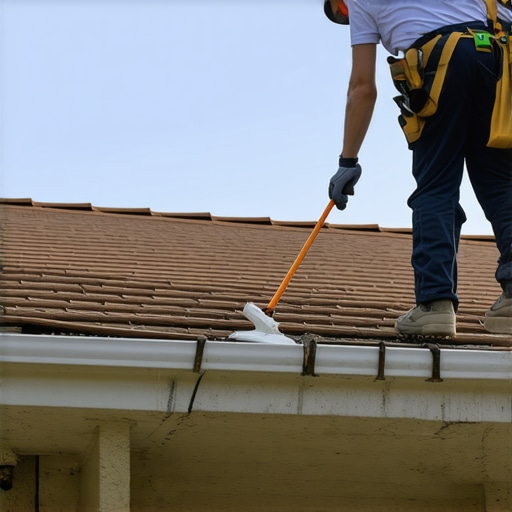
In the realm of property maintenance, expert-level gutter installation plays a pivotal role in ensuring robust drainage systems that withstand environmental pressures. Utilizing precision engineering and high-grade materials, professionals optimize gutter alignment and slope to facilitate effortless water flow, thereby mitigating common issues such as erosion and foundation damage. Integrating innovative solutions like seamless gutters and reinforced brackets can dramatically enhance longevity and performance.
Unveiling the Science Behind Effective Drainage System Designs
Understanding the nuanced interplay between gutters and drainage pathways is essential for sustainable water management. Sophisticated drainage designs incorporate precise calculations of runoff volume, incorporating regional rainfall data to tailor gutter capacity accordingly. Emphasizing proper downspout placement and incorporating energy dissipation features can prevent water overshoot and pooling. This strategic approach aligns with best practices outlined in authoritative sources like the Journal of Water Resources Planning and Management.
Why Is Accurate Gutter Slope Critical for Long-Term Drainage Success?
Optimally sloped gutters are fundamental to effective water diversion. A slope of approximately 1/4 inch per 10 feet ensures rapid water conveyance while preventing stagnation and debris buildup. Incorrect slope gradients can lead to overflow or ice dam formation, especially in colder climates. Regular inspections and professional adjustments are essential to maintain optimal grades, thereby ensuring consistent drainage performance.
What Are the Emerging Challenges in Drainage System Maintenance?
As properties evolve, new obstacles emerge that challenge traditional drainage solutions. Climatic shifts induce unpredictable rainfall patterns, demanding adaptable gutter systems capable of handling extreme flows. Additionally, urban development increases sediment and debris load, necessitating advanced filtration and cleaning strategies. Addressing these issues requires a proactive maintenance regime rooted in expert knowledge and innovative technology, such as smart sensors that monitor flow rates and debris accumulation.
How Can Professionals Leverage Data-Driven Maintenance to Foresee Drainage Failures?
Advanced analytics and IoT devices enable proactive detection of potential drainage failures before they manifest. By analyzing flow sensors and debris accumulation patterns, experts can schedule targeted interventions, minimizing property damage and repair costs. This approach aligns with the recommendations detailed in trusted industry reports, underscoring the importance of integrating technology into traditional gutter maintenance practices.
For further insights into elevating your property’s drainage resilience, explore our comprehensive expert strategies for gutter and drainage systems in 2025. Sharing professional experiences and innovative solutions fosters a community of continuous improvement in property protection.
Harnessing Technology to Prevent Drainage Failures
Modern drainage solutions extend beyond traditional gutter designs by incorporating smart technology and data analytics. Sensors embedded within gutters can monitor flow rates, detect debris buildup, and alert homeowners or maintenance specialists to issues before they escalate. This proactive approach reduces costly repairs and ensures reliable water diversion, especially during heavy rainfall events. Implementing these innovations aligns with industry pioneer recommendations found in trusted sources like expert strategies for gutter and drainage systems in 2025.
Are Your Gutters Ready for Climate Extremes?
Climate change brings unpredictable weather patterns, challenging existing drainage infrastructure to perform under stress. Increasingly intense storms can overwhelm standard gutters, leading to overflow and property damage. To combat this, integrating oversized or sectional gutters designed for higher capacity and installing secondary drainage pathways can provide extra resilience. Regular inspections, combined with adaptive upgrades, are essential to maintain effective water management amidst these evolving challenges. Innovative materials, like impact-resistant composites, further enhance durability in harsh weather conditions.
Reevaluating Traditional Gutter Maintenance Approaches
While routine cleaning remains vital, experts advocate for a strategic overhaul in gutter maintenance to address modern demands. Employing predictive maintenance models, supported by IoT technology, allows property managers to schedule interventions precisely when needed, avoiding unnecessary work and extending gutter lifespan. Additionally, integrating filtration systems within gutters can significantly reduce debris accumulation, lessening maintenance frequency. Staying ahead in drainage management necessitates embracing these advanced practices, as highlighted in resources like trusted gutter repair tips for lasting property protection.
What New Tools Can Elevate Your Gutter Upkeep and Water Management?
Experts emphasize adopting cutting-edge tools and frameworks, such as remote monitoring apps and modular gutter components, to future-proof drainage systems. These innovations facilitate quick repairs, optimize performance, and extend service life, proving essential in adapting to changing environmental conditions. For homeowners and professionals committed to excellence, exploring comprehensive strategies—like those detailed in expert gutter installation and maintenance solutions—can be transformative. Implementing a layered approach combining technology, design, and routine checks leads to sustainable, long-term water management success.
Why Material Choices Define Gutter System Longevity and Performance
Selecting the appropriate gutter material is crucial for optimizing drainage efficiency, especially as environmental conditions become increasingly unpredictable. Modern innovations extend beyond traditional aluminum and PVC options, incorporating advanced composites, stainless steel alloys, and impact-resistant polymers. These materials offer superior durability against corrosion, loading stress, and extreme weather events, ensuring that your drainage system maintains integrity over decades. The expert consensus underscores that material science advancements directly influence not only longevity but also maintenance requirements and overall system sustainability.
How Can High-Tech Materials Revolutionize Drainage Strategies
The evolution of material engineering introduces new possibilities, such as nano-coated surfaces that repel debris and water, reducing clogging and easing cleaning efforts. Furthermore, self-healing composites, infused with microcapsules that repair cracks upon damage, present a transformative approach for underground and exposed gutter systems. These innovations lower lifecycle costs and enhance resilience, aligning with the growing demand for ‘smart’ infrastructure solutions in urban and suburban environments.
Are There Environmentally Friendly Gutter Materials That Don’t Compromise Durability?
Eco-conscious construction increasingly favors sustainable material options that do not sacrifice performance. Bio-derived plastics and recycled aluminum exemplify environmentally friendly choices capable of withstanding harsh conditions comparable to their conventional counterparts. According to a comprehensive study published in the Journal of Materials Science, these materials not only reduce environmental impact but also often provide cost advantages over time through reduced maintenance and replacement needs. Implementing such sustainable options requires a nuanced understanding of regional climate factors, property architecture, and long-term resilience planning.
The Role of Seamless Gutter Systems in Advanced Drainage Efficiency
While material innovation is significant, system design also plays an instrumental role. Seamless gutters, which are custom-fabricated on-site to match precise measurements, eliminate joints where leaks often occur. Combined with cutting-edge materials, seamless systems offer a superior barrier against water ingress and debris infiltration, maintaining consistent flow dynamics even under heavy rainfall or snow melt scenarios. The integration of these systems into comprehensive drainage strategies embodies an expert-level approach that maximizes both performance and aesthetic appeal.
Leveraging Material Science for Climate-Adaptive Gutter Solutions
Climate variability demands adaptable gutter systems capable of responding to shifts in rainfall intensity, temperature fluctuations, and storm severity. Innovations in phase-change materials (PCMs), which absorb and release heat, can regulate temperature-related stress, preventing ice dams and material fatigue. Similarly, modular components crafted from multi-functional composites enable quick upgrades or replacements in response to evolving climate challenges. Professionals who harness these advanced materials and design principles position themselves at the forefront of sustainable property maintenance, reducing long-term risks and costs.
Why Material Choices Define Gutter System Longevity and Performance
Selecting the appropriate gutter material is crucial for optimizing drainage efficiency, especially as environmental conditions become increasingly unpredictable. Modern innovations extend beyond traditional aluminum and PVC options, incorporating advanced composites, stainless steel alloys, and impact-resistant polymers. These materials offer superior durability against corrosion, loading stress, and extreme weather events, ensuring that your drainage system maintains integrity over decades. The expert consensus underscores that material science advancements directly influence not only longevity but also maintenance requirements and overall system sustainability.
How Can High-Tech Materials Revolutionize Drainage Strategies
The evolution of material engineering introduces new possibilities, such as nano-coated surfaces that repel debris and water, reducing clogging and easing cleaning efforts. Furthermore, self-healing composites, infused with microcapsules that repair cracks upon damage, present a transformative approach for underground and exposed gutter systems. These innovations lower lifecycle costs and enhance resilience, aligning with the growing demand for ‘smart’ infrastructure solutions in urban and suburban environments.
Are There Environmentally Friendly Gutter Materials That Don’t Compromise Durability?
Eco-conscious construction increasingly favors sustainable material options that do not sacrifice performance. Bio-derived plastics and recycled aluminum exemplify environmentally friendly choices capable of withstanding harsh conditions comparable to their conventional counterparts. According to a comprehensive study published in the Journal of Materials Science, these materials not only reduce environmental impact but also often provide cost advantages over time through reduced maintenance and replacement needs. Implementing such sustainable options requires a nuanced understanding of regional climate factors, property architecture, and long-term resilience planning.
The Role of Seamless Gutter Systems in Advanced Drainage Efficiency
While material innovation is significant, system design also plays an instrumental role. Seamless gutters, which are custom-fabricated on-site to match precise measurements, eliminate joints where leaks often occur. Combined with cutting-edge materials, seamless systems offer a superior barrier against water ingress and debris infiltration, maintaining consistent flow dynamics even under heavy rainfall or snow melt scenarios. The integration of these systems into comprehensive drainage strategies embodies an expert-level approach that maximizes both performance and aesthetic appeal.
Leveraging Material Science for Climate-Adaptive Gutter Solutions
Climate variability demands adaptable gutter systems capable of responding to shifts in rainfall intensity, temperature fluctuations, and storm severity. Innovations in phase-change materials (PCMs), which absorb and release heat, can regulate temperature-related stress, preventing ice dams and material fatigue. Similarly, modular components crafted from multi-functional composites enable quick upgrades or replacements in response to evolving climate challenges. Professionals who harness these advanced materials and design principles position themselves at the forefront of sustainable property maintenance, reducing long-term risks and costs.
Expert Insights & Advanced Considerations
Prioritize Material Resilience to Combat Climate Stress
Selecting durable, high-tech materials such as impact-resistant composites or nano-coated surfaces ensures your drainage systems remain effective despite extreme weather conditions. Innovations like self-healing polymers can repair minor damages autonomously, significantly extending system longevity. Staying abreast of these developments prepares professionals to design resilient gutter systems capable of withstanding environmental challenges.
Harness Real-Time Data to Prevent Drainage Failures
Implementing IoT sensors within gutter systems allows continuous monitoring of flow rates, debris buildup, and structural integrity. This proactive approach enables timely interventions, minimizing costly repairs and property damage. Engaging with data analytics transforms traditional maintenance into a predictive practice, aligning with modern industry standards for property protection.
Emphasize Seamless System Integration for Seamless Performance
System designs that minimize joints through seamless gutters reduce leak points and debris accumulation. Pairing these with adaptive downspout configurations enhances overall efficiency. Such holistic integration ensures water diversion continues unhindered, regardless of weather extremes, elevating long-term drainage performance.
Curated Expert Resources
- Journal of Water Resources Planning and Management: Provides cutting-edge research on regional rainfall adaptation and advanced drainage designs, crucial for strategic planning.
- Materials Science and Engineering Publications: Offers insights into emerging materials like nano-coatings, impact-resistant polymers, and self-healing composites instrumental in system durability.
- Smart Water Management Guides: Industry-leading manuals on integrating IoT technology into property drainage infrastructure, fostering proactive maintenance.
Final Expert Perspective
Mastering long-term gutter and drainage solutions hinges on a blend of material innovation, real-time data utilization, and system integration. This comprehensive, advanced approach not only safeguards properties from evolving environmental threats but also elevates the standards of property maintenance. For professionals eager to lead in this field, embracing these progressive insights and leveraging authoritative resources will set the course for sustained excellence. Engage with our detailed guides or share your expertise to contribute to the collective advancement of property resilience strategies.