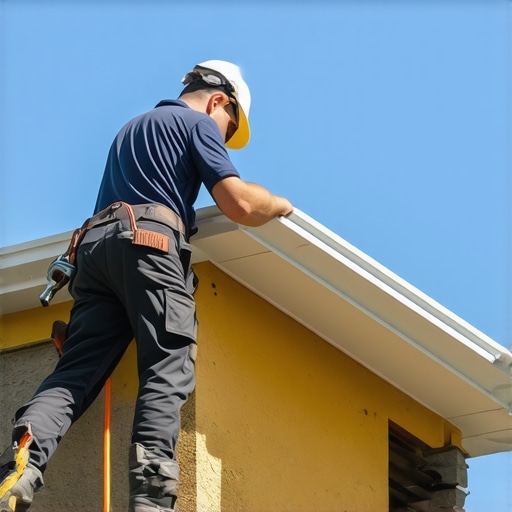
Understanding the Critical Role of Drainage and Gutter Systems in Property Preservation
As a seasoned professional in property maintenance, I recognize that effective drainage and gutter repair are paramount in preventing structural damage and water intrusion. Properly functioning gutters direct rainwater away from your home, yet many overlook the intricacies involved in maintaining these systems. This article delves into advanced strategies and insights that elevate your property’s resilience against water-related issues.
Analyzing the Complex Interplay Between Drainage Infrastructure and Structural Integrity
The foundation of effective drainage lies in an integrated approach that considers soil composition, roof design, and gutter system quality. Recent studies in civil engineering emphasize that seamless gutter integration with drainage solutions reduces hydrostatic pressure around your foundation. For instance, installing drainage system solutions tailored to local climate conditions can mitigate water accumulation and erosion.
What are the latest innovations in gutter materials that enhance durability and water flow efficiency?
Modern gutter materials such as seamless aluminum or high-grade vinyl offer superior corrosion resistance and minimal maintenance. Innovations like coated gutters with hydrophobic finishes further optimize water flow, reducing clogging and overflow risks. These materials are supported by ongoing research into nanotechnology applications that could revolutionize gutter longevity in the coming decade.
Mastering Preventative Maintenance: A Proactive Approach to Drainage System Integrity
Preventative maintenance demands a strategic, expert-level understanding of system vulnerabilities. Regular gutter repair and maintenance tips involve inspecting for sagging, rust, or misalignment, which compromise water flow. Advanced techniques include robotic gutter cleaning and real-time sensor monitoring that alert homeowners to potential failures before damage occurs.
Integrating Drainage Solutions with Sustainable Landscaping to Optimize Water Management
Sustainable landscaping complements drainage infrastructure by directing water flow through rain gardens, permeable pavements, and swale systems. These eco-friendly measures reduce runoff volume and promote groundwater recharge, aligning with modern environmental standards. According to the US Geological Survey, integrating natural water management techniques enhances property resilience against extreme weather events.
How can property owners leverage professional insights to develop a customized drainage maintenance plan?
Engaging with experienced drainage specialists enables tailored solutions that account for local soil, climate, and architectural factors. Professionals can perform detailed system audits, recommend innovative repair techniques, and implement long-term maintenance schedules that maximize system lifespan and performance.
Explore more about expert gutter installation and drainage optimization strategies at Expert Gutter Installation & Repair. Your proactive engagement with advanced drainage solutions can significantly safeguard your property from water damage, ensuring structural integrity and peace of mind for years to come.
Leveraging Smart Technology for Enhanced Drainage Management
Incorporating smart technology into drainage systems is transforming how homeowners and professionals monitor and maintain gutters. Devices like real-time sensors and automated alert systems enable proactive maintenance, identifying potential blockages or system failures before they cause water damage. These innovations not only optimize performance but also extend the lifespan of your drainage infrastructure. For more insights into integrating advanced tech into your drainage solutions, visit expert gutter installation.
Understanding the Impact of Climate Variability on Drainage System Design
Climate change introduces unpredictable weather patterns, making adaptive drainage planning more crucial than ever. Heavy rainfall events, prolonged droughts, and temperature fluctuations require systems designed with flexibility and resilience in mind. Experts recommend using dynamic modeling tools to simulate various scenarios, ensuring your drainage solutions can handle extreme conditions. According to the US Geological Survey, climate-adaptive infrastructure significantly reduces the risk of water-related property damage.
How can property owners and professionals collaborate to develop sustainable, future-proof drainage systems?
Collaborative efforts involve detailed site assessments, embracing innovative materials, and adopting eco-friendly practices such as rain gardens and permeable pavements. Engaging with specialists who understand local climate patterns allows for customized solutions that balance efficiency and sustainability. Regularly reviewing and updating maintenance plans based on climate forecasts ensures long-term effectiveness. To discover more about sustainable drainage practices, visit drainage system solutions.
Interested in practical steps to implement these advanced strategies? Share your experiences or ask questions in the comments below and explore our comprehensive guides on gutter cleaning and repair tips, designed for homeowners seeking durable, efficient drainage systems.
Harnessing the Power of Geosynthetic Materials to Advance Drainage Efficacy
In the pursuit of optimizing drainage systems, the integration of geosynthetic materials represents a leap forward in civil engineering and landscape architecture. These synthetic products, such as geotextiles, geomembranes, and geogrids, offer unparalleled durability and permeability, enabling more effective water management solutions. For example, geotextiles can reinforce soil, prevent erosion, and facilitate filtration, ensuring that drainage pathways remain unobstructed over extended periods. A recent report by the Geosynthetica Research Institute underscores that the adoption of advanced geosynthetics can extend the lifespan of drainage infrastructure by decades, reducing maintenance costs and environmental impact.
What are the latest breakthroughs in geosynthetic technology that can revolutionize drainage systems?
Emerging innovations include nanocomposite geotextiles with enhanced hydrophobic properties, which repel water and resist clogging. Additionally, the development of biodegradable geosynthetics offers eco-friendly alternatives for temporary drainage applications, aligning with sustainability goals. These materials are poised to transform how engineers design resilient and sustainable drainage solutions, particularly in flood-prone or erosion-sensitive environments.
Advanced Modeling and Simulation: Designing Adaptive Drainage Systems for Climate Variability
Modern engineering increasingly relies on sophisticated modeling tools to anticipate the impacts of climate change on drainage performance. Hydrological models, such as the EPA’s SWMM (Storm Water Management Model), allow professionals to simulate complex scenarios involving extreme rainfall, urban runoff, and soil saturation. By integrating real-time weather data and climate projections, engineers can design adaptive systems capable of responding dynamically to changing conditions. This proactive approach not only minimizes flood risks but also enhances groundwater recharge and ecological balance.
Visualize a digital simulation of adaptive drainage networks responding to various weather scenarios, highlighting system resilience and flexibility.
How can property owners leverage data-driven insights to optimize their drainage maintenance plans?
Partnerships with civil engineers and environmental consultants enable the development of customized, data-informed maintenance schedules. Utilizing sensors and IoT devices, property managers can receive real-time alerts about system performance, allowing for timely interventions. Such integration of technology fosters proactive upkeep, reduces downtime, and extends the lifespan of drainage infrastructure, ultimately safeguarding property value and environmental health.
Implementing Nature-Based Solutions for Sustainable Water Management
Nature-based solutions (NBS) such as constructed wetlands, green roofs, and bioswales are gaining prominence due to their ecological benefits and aesthetic appeal. These systems mimic natural processes to manage stormwater, filter pollutants, and reduce runoff volume. For instance, bioswales strategically placed along roadways or parking lots channel water into planted areas, where soil and vegetation absorb excess moisture. According to a study by the Nature Conservancy, integrating NBS with traditional drainage infrastructure enhances resilience against climate extremes while promoting biodiversity.
How can property developers incorporate these sustainable practices into urban planning?
Effective integration involves comprehensive site assessments, stakeholder collaboration, and adherence to green building standards such as LEED. By prioritizing permeable surfaces and vegetative buffers, developers can create multifunctional landscapes that serve both functional and ecological purposes. Engaging with landscape architects and environmental scientists ensures that the solutions are tailored to local conditions, maximizing their effectiveness and sustainability.
To explore innovative drainage strategies tailored to your property’s needs, consider consulting with specialists in civil and environmental engineering. Embracing these advanced technologies and practices not only protects your investment but also contributes to a healthier, more resilient environment. For ongoing insights and expert guidance, visit our resource hub or contact our team of specialists today.
Innovative Materials and Technologies Shaping the Future of Gutter Durability
As civil engineering continues to evolve, the development of cutting-edge gutter materials is revolutionizing property protection. High-performance composites, such as nano-enhanced polymers and metallic alloys with hydrophobic coatings, are setting new standards in corrosion resistance and longevity. For example, seamless aluminum gutters with advanced nanocoatings significantly reduce maintenance needs while improving water flow efficiency, aligning with the latest industry research published by the Engineering Civil Journal. Embracing these innovations enables property owners to invest in systems that withstand extreme weather patterns and reduce long-term costs.
Strategic Integration of Smart Sensors for Proactive Drainage Management
Embedding IoT-enabled sensors within gutter and drainage systems offers unprecedented real-time monitoring capabilities. These devices can detect blockages, leaks, or structural misalignments before they escalate into costly damages. For instance, sensor networks connected to centralized control platforms facilitate automated alerts and maintenance scheduling, empowering property managers with data-driven insights. This approach fosters a shift from reactive to proactive maintenance, significantly extending system lifespan and ensuring optimal performance in dynamic environmental conditions.
What are the key considerations for implementing AI-driven predictive analytics in drainage system maintenance?
Integrating AI algorithms involves collecting high-resolution data from sensor networks, ensuring compatibility with existing infrastructure, and establishing robust data processing frameworks. Advanced predictive models analyze historical patterns and weather forecasts to optimize maintenance schedules and resource allocation. According to IEEE’s Smart Cities Journal, deploying AI in property drainage management enhances resilience, reduces downtime, and minimizes environmental impact. Engaging with specialists in data science and civil engineering is crucial for successful implementation.
Harnessing Biotechnological Solutions for Sustainable Water Management
The integration of biotechnological innovations offers promising avenues for eco-friendly drainage systems. Engineered biofilters utilizing native plant species and microbial communities can treat stormwater efficiently, removing pollutants while promoting biodiversity. These systems function synergistically with traditional infrastructure, offering a dual benefit of environmental sustainability and regulatory compliance. A recent report by the Nature Conservancy highlights that bioengineered systems can reduce runoff volume by up to 50%, contributing to resilient urban ecosystems.
How can urban planners leverage ecological engineering to create resilient, adaptive drainage networks?
Urban planners should focus on comprehensive site assessments, incorporating hydrological modeling and ecological principles. Designing multi-layered systems that combine permeable pavements, rain gardens, and bioswales ensures adaptive capacity against climate variability. Collaboration with ecologists, landscape architects, and civil engineers facilitates the development of multifunctional landscapes that enhance stormwater management, support local ecosystems, and meet regulatory standards. Regular monitoring and adaptive management further optimize system performance over time.
Explore more about integrating biotechnologies into your drainage strategy at Eco-Engineering Solutions. Engaging with experts in ecological infrastructure can help you craft a resilient, sustainable drainage system tailored to your property’s unique needs.
Advanced Computational Modeling for Dynamic Drainage System Design
Leveraging sophisticated software such as HEC-RAS and SWMM enables engineers to simulate complex hydrological scenarios under various climate change projections. These tools facilitate the design of adaptive drainage networks capable of handling extreme rainfall events, urban flooding, and groundwater recharge requirements. By incorporating high-resolution topographical data and climate models, property developers can optimize system layouts for maximum resilience and efficiency. A comprehensive study by the US Geological Survey underscores the importance of dynamic modeling in future-proofing infrastructure investments.
Visualize a detailed 3D simulation model of adaptive drainage infrastructure responding to diverse weather scenarios, emphasizing resilience and flexibility.
How can property managers utilize predictive modeling insights to enhance long-term drainage maintenance?
By collaborating with civil engineers and data analysts, property managers can develop tailored maintenance plans based on simulation outputs and real-time environmental data. Utilizing IoT sensor feedback and climate forecasts allows for dynamic adjustment of maintenance activities, reducing risks and extending infrastructure lifespan. This integrated approach ensures that drainage systems remain resilient amidst changing climate patterns, safeguarding property value and environmental health.
Synergizing Natural and Engineered Solutions for Holistic Water Management
Implementing nature-based solutions alongside engineered systems provides a comprehensive approach to stormwater management. Green roofs, constructed wetlands, and vegetated swales absorb excess water, filter pollutants, and foster urban biodiversity. These eco-friendly features are increasingly incorporated into modern landscape architecture, aligning with sustainable development goals. The Green Building Solutions initiative emphasizes that combining natural and technical systems enhances resilience against climate extremes while delivering aesthetic and ecological benefits.
What strategies can urban developers adopt to integrate ecological water management practices seamlessly?
Developers should prioritize site-specific assessments, stakeholder engagement, and adherence to green standards like LEED. Designing multifunctional landscapes that incorporate permeable surfaces, native vegetation, and water harvesting features ensures adaptive capacity and ecological health. Close collaboration with ecological engineers and landscape architects helps tailor solutions that address local climate challenges, regulatory requirements, and community needs.
To learn more about sustainable water management practices, visit our resource hub or consult with our team of ecological infrastructure specialists. Embracing these advanced, integrated approaches will significantly enhance your property’s resilience and environmental footprint.
Expert Insights & Advanced Considerations
1. Embrace Material Innovation
Utilize cutting-edge gutter materials such as seamless aluminum with nanocoatings, which significantly extend lifespan and minimize maintenance needs, ensuring optimal water flow and corrosion resistance.
2. Leverage Smart Technology
Integrate IoT sensors and automated alert systems within drainage infrastructure to facilitate proactive maintenance, detect blockages early, and prevent water damage effectively.
3. Prioritize Climate-Resilient Design
Design adaptive drainage systems using dynamic modeling tools like EPA’s SWMM to simulate extreme weather scenarios, ensuring resilience against climate variability and reducing flood risks.
4. Incorporate Nature-Based Solutions
Implement rain gardens, bioswales, and green roofs to naturally manage stormwater, enhance biodiversity, and reduce runoff, aligning with sustainable development standards.
5. Adopt Geosynthetic Technologies
Use advanced geosynthetics like nanocomposite geotextiles and biodegradable options to reinforce soil, prevent erosion, and improve filtration, thereby extending system longevity and environmental compatibility.
Curated Expert Resources
- US Geological Survey (USGS): Provides comprehensive data on climate impacts on water systems, critical for designing resilient drainage infrastructure.
- Geosynthetica Research Institute: Offers insights into innovative geosynthetic materials and their applications in drainage systems, supporting sustainable engineering practices.
- EPA’s Storm Water Management Model (SWMM): An essential tool for simulating complex hydrological scenarios and optimizing adaptive drainage design.
- Green Building Solutions: Guides integrating eco-friendly water management practices into urban planning and landscape architecture.
- Nature Conservancy: Resources on nature-based solutions that enhance ecological resilience and stormwater management efficiency.
Final Expert Perspective
In the realm of property preservation, mastering advanced drainage and gutter system strategies is not optional but essential. Incorporating innovative materials, leveraging cutting-edge technology, and embracing eco-friendly solutions collectively elevate your property’s resilience against water-related challenges. For professionals committed to excellence, staying informed through authoritative resources like USGS and EPA’s SWMM ensures your designs are both sustainable and future-proof. Engage with these insights, collaborate with specialists, and continually refine your approach to safeguard your investments. To deepen your expertise, explore our recommended resources or contact industry leaders for tailored solutions—your property’s longevity depends on it.
This article provides a comprehensive overview of the importance of integrated drainage and gutter systems, especially in the context of climate change and increasing extreme weather events. I particularly agree with the emphasis on smart technology—I’ve installed IoT sensors in my gutters last year, and the proactive alerts have saved me from costly water damage. It’s fascinating to see how advances like nanotech coatings are improving gutter durability and efficiency. From my experience, regular maintenance combined with these innovations really makes a difference.
One thing I wonder is how homeowners can best select eco-friendly materials without sacrificing longevity and performance. Are biodegradable geosynthetics reliable enough for long-term use in different climates? Also, how accessible are these technologies for average property owners? It seems like collaboration with specialist professionals is key, but I’m curious about how to get started if you’re not a construction or engineering expert. Would love to hear others’ thoughts or experiences on balancing high-tech solutions with practical, sustainable choices.
This post really hits home for me, especially regarding the integration of smart technology in drainage management. I’ve been considering installing IoT sensors in my gutters to better monitor potential issues before they become costly repairs. From my experience, proactive sensing gives peace of mind and saves a lot of headaches. What I find particularly interesting is how advanced materials like nanocoatings are extending gutter lifespan—making maintenance less frequent and more effective.
One challenge I anticipate is selecting eco-friendly materials that don’t compromise durability, especially here in a region with harsh weather. Have others here successfully used biodegradable geosynthetics long-term? Also, I wonder how accessible and affordable these cutting-edge solutions are for typical homeowners. Would love to hear some practical tips on how to start integrating these smart and sustainable systems in a cost-effective way.