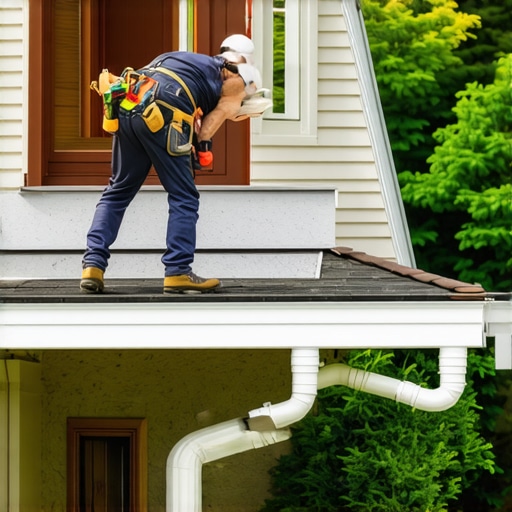
Elevating Home Security Through Advanced Gutter and Drainage Strategies
In the realm of sustainable residential infrastructure, the intricacies of gutter installation and drainage management are paramount. Experienced homeowners and professionals recognize that meticulous planning and execution in these areas not only safeguard property integrity but also enhance long-term value. This article delves into the sophisticated aspects of gutter systems, revealing how innovative solutions can transform water management into a resilient safeguard against environmental adversities.
Why Precision Matters in Gutter System Design and Execution
Proper gutter installation extends beyond simple attachment; it requires an expert understanding of load dynamics, material compatibility, and seamless integration with drainage infrastructure. seasoned technicians employ high-grade materials and adhere to manufacturer specifications, ensuring durability against seasonal stresses. Effectively designed gutters facilitate optimal water flow, minimizing stagnation and corrosion. In areas prone to heavy rainfall, custom-fitted systems are crucial to prevent overflow that can compromise building foundations.
The Role of Seamless Integration in Drainage and Water Diversion
A sophisticated drainage system efficiently channels water away from vulnerable zones, reducing soil erosion and basement flooding risks. Expert solutions involve grading techniques that complement gutter pitch, installing underground pipes with appropriate slope, and incorporating filter outlets to prevent debris blockage. This holistic approach transforms a typical water conduit into a resilient network that adapts dynamically to weather variations. For instance, employing expert gutter installation solutions can result in seamless water flow and heightened property protection.
Open Questions in Complex Water Management Challenges
How can emerging materials and sensor technology redefine efficiency in gutter and drainage systems, particularly under unpredictable climate patterns? Addressing such questions requires ongoing research and field experimentation, aiming to optimize material longevity and real-time monitoring capabilities.
Strategies for Ensuring Long-Term System Effectiveness
Periodic inspections and proactive maintenance are fundamental to sustaining optimal performance. Advanced techniques include installing leaf guards, utilizing corrosion-resistant coatings, and implementing smart sensors that alert homeowners to system malfunctions. These measures significantly reduce the likelihood of costly repairs, ensuring the integrity of drainage solutions over decades.
Partnerships and Knowledge Sharing Within the Industry
Professionals are encouraged to contribute insights and share emerging best practices through industry forums and publications. A collaborative approach accelerates adoption of innovative techniques and elevates standards, thereby enhancing overall community resilience against water-related damages.
For comprehensive strategies on gutter repair and drainage system optimization, explore expert gutter repair tips. Elevate your expertise and participate in ongoing discourse to master the art of enduring water management solutions.
Revolutionize Your Gutter Upkeep with Smart Technology
Modern advancements allow homeowners and contractors to leverage smart sensor technology for real-time monitoring of gutter systems. These sensors can detect blockages, leaks, or overflows, alerting users proactively before minor issues escalate into costly repairs. Integrating such intelligent solutions not only optimizes maintenance routines but also ensures consistent water diversion effectiveness. For detailed guidance on installing these innovative systems, consult expert drainage solutions to enhance your property’s safety.
How Can Predictive Maintenance Transform Gutter Longevity
Predictive maintenance employs data analytics to anticipate system failures based on historical performance and sensor feedback. By analyzing patterns in water flow, debris accumulation, and component wear, professionals can schedule maintenance precisely when needed, reducing unnecessary interventions and extending gutter lifespan. This approach aligns with industry best practices outlined by leading experts in water management, emphasizing that data-driven strategies significantly improve reliability and reduce operational costs. To implement such solutions effectively, consider partnering with specialists skilled in integrating sensors and analytics into existing gutter infrastructures.
Are We on the Edge of a Water Management Revolution in Home Protection?
Emerging materials like high-performance polymers and corrosion-resistant composites are reshaping gutter durability standards, contesting traditional metal and vinyl options. Combined with sensor technology, these materials promise unprecedented resilience and efficiency, especially in areas susceptible to extreme weather. How might these innovations redefine maintenance expectations and long-term performance? Continuous research and development are crucial, with industry leaders advocating for adopting cutting-edge materials to fortify water management systems. For a comprehensive overview of the latest advancements, explore top drainage solutions that exemplify these tech-driven trends.
If you’re convinced that embracing smart maintenance can safeguard your property’s future, share your thoughts or experiences in the comments. Learning from real-world applications accelerates industry progress and community resilience.
Harnessing Cutting-Edge Materials to Revolutionize Gutter Resilience
As climate patterns become increasingly unpredictable, the pursuit of advanced materials capable of withstanding extreme weather events gains urgency among water management professionals. Researchers are now exploring high-performance polymers and composite materials that not only resist corrosion but also offer flexibility to adapt to structural shifts caused by temperature fluctuations. For example, the integration of UV-resistant polymers enhances longevity under prolonged sun exposure, minimizing degradation over decades. Furthermore, these materials often boast lower thermal conductivity, reducing ice dam formation in colder climates—a common cause of gutter failure.
Can New Polymer Composites Outperform Conventional Metals in Gutter Applications?
Recent independent studies, such as those published in the Journal of Material Sciences & Engineering, demonstrate that advanced polymer composites can match or exceed traditional metals in strength-to-weight ratios while offering superior resistance to corrosion and debris accumulation. Importantly, they facilitate easier installation due to reduced weight, which translates into cost savings and safer handling during maintenance routines. This shift towards polymer technology aligns with the industry’s push for sustainable, low-maintenance solutions that do not compromise on durability.
Sensor-Integrated Materials: The Future of Intelligent Water Management
Beyond static material innovations, the integration of sensing capabilities directly into gutter materials marks a transformative leap. Embedding nano-sensors within the matrix allows for real-time monitoring of material fatigue, deformation, and micro-corrosion processes. These smart materials serve as the foundation for predictive analytics, enabling maintenance before catastrophic failures occur. For instance, early detection of micro-cracks via embedded sensors warrants targeted repairs that prevent leaks, preserve aesthetics, and protect structural integrity.
Research collaborations between material scientists and data analytics firms are pioneering prototypes that utilize conductive polymers to transmit performance metrics wirelessly to homeowners’ devices. Such innovations not only augment existing maintenance strategies but also create a new paradigm—one where gutters self-report their health status, vastly reducing labor costs and downtime. To explore ongoing case studies exemplifying these innovations, industry leaders recommend consulting technical briefings from the Advanced Water Technologies Consortium.
Evaluating the Long-Term Impact of Material Choices on Ecosystem Health
The selection of gutter materials extends beyond durability and cost; ecological considerations increasingly influence industry standards. Biodegradable composites and UV-stabilized recycled plastics are gaining traction as environmentally conscious alternatives. These materials are designed to facilitate end-of-life recycling, reducing landfill burden, and minimizing chemical leaching into surrounding soil and water systems. As regulatory frameworks tighten in response to environmental concerns, contractors must evaluate not only immediate performance but also lifecycle sustainability metrics—an approach exemplified in the comprehensive assessments published by the EcoEfficiency Council.
Embracing a Holistic Approach for Future-Proofing Water Infrastructure
Combining state-of-the-art materials with integrated sensor networks and sustainable practices embodies a comprehensive strategy to future-proof gutter systems. Such an approach demands interdisciplinary expertise, from materials engineering to data science and environmental planning. The convergence of these disciplines paves the way for resilient, adaptive water management infrastructures capable of responding dynamically to environmental stressors.
This evolution prompts a reevaluation of traditional standards and invites industry stakeholders to participate actively in shaping the next generation of gutter technologies. As these innovations mature, ongoing pilot projects and cross-sector knowledge exchanges will be critical to translating laboratory breakthroughs into widespread, practical applications. To stay abreast of these developments, industry professionals should engage with leading conferences such as the Water Tech Summit 2024 and contribute insights to collaborative research initiatives that accelerate innovation.
Unveiling the Hidden Power of Polymer Composites in Gutter Durability
As climate unpredictability intensifies, the quest for resilient gutter materials takes center stage among industry experts. High-performance polymer composites emerge as formidable alternatives to traditional metals, boasting remarkable resistance to corrosion, UV degradation, and thermal stress. These materials can be tailored for specific environmental demands, allowing architects and engineers to craft water management systems that outperform conventional options in lifespan and maintenance efficiency.
Can High-Tech Sensors Make Your Gutter a Self-Healing System?
Embedding nano-sensors within gutter infrastructure promises a transformative shift from preventive to predictive maintenance. These tiny monitors continuously assess structural integrity, detect micro-cracks, and evaluate corrosion levels, transmitting real-time data to homeowners and maintenance teams. This proactive approach minimizes catastrophic failures, optimizes repair schedules, and extends overall system longevity. For instance, integrations utilizing conductive polymers enable wireless data transmission, creating a seamless mesh of smart water management.

Why Material Choice Can Save the Ecosystem
Beyond durability, sustainable materials like biodegradable composites and recycled plastics are redefining environmental stewardship in gutter design. These eco-friendly options reduce lifecycle carbon footprints and facilitate end-of-use recycling, aligning industry practices with evolving ecological regulations. Considering ecosystem health is no longer optional but a critical factor in material selection, influencing both regulatory compliance and brand reputation.
Will Holistic Water Management Embody Industry Evolution?
The convergence of innovative materials, sensor technologies, and eco-conscious practices signals a paradigm shift towards comprehensive water infrastructure solutions. Interdisciplinary collaboration among materials scientists, data analysts, and environmental planners is essential to develop adaptable, long-term resilient systems. Such integration fosters a proactive, data-driven approach to water management, ensuring infrastructure can withstand climate stresses and urban demands alike.
Engaging with forums like the Water Tech Summit 2024 and contributing to collaborative research initiatives will accelerate this evolutionary trajectory, establishing industry standards rooted in sustainability and technological excellence.
Expert Insights & Advanced Considerations
Innovate with Adaptive Materials
Leveraging cutting-edge polymers and composites that resist corrosion and environmental stress is crucial for long-lasting gutter systems, especially amid climate unpredictability. Integrating nano-sensors directly into these materials enables real-time health monitoring, paving the way for predictive maintenance that minimizes costly failures.
Prioritize System Integration
Design strategies that seamlessly connect gutters with underground drainage and surface runoff controls ensure maximal water diversion efficiency. Emphasizing holistic design reduces stagnation points and enhances resilience against extreme weather events.
Embrace Sustainability in Material Selection
Opting for biodegradable or recycled materials aligns water management practices with ecological standards. These choices not only reduce environmental impact but also promote future-proof infrastructure that can adapt to evolving regulatory landscapes.
Harness Data Analytics for Maintenance Optimization
Employing analytics derived from embedded sensors allows for precise scheduling of repairs, extending system lifespan and maintaining peak performance. This approach signifies a shift from reactive to proactive maintenance models, vital for reliable long-term operation.
Adopt Smart Monitoring for Real-Time Response
Smart sensors transmitting continuous data facilitate immediate detection of blockages, leaks, or structural deformations. Integrating these into your maintenance routine enhances safety, reduces downtime, and preserves property integrity over decades.
Curated Expert Resources
- Elite Gutter Works Blog: Offers comprehensive guides and latest innovations in gutter system design and maintenance.
- Water Tech Summit Proceedings: Features cutting-edge advancements in water management technologies and sustainable practices.
- Journal of Material Sciences & Engineering: Publishes peer-reviewed studies on high-performance polymers and composite materials relevant to gutter applications.
- EcoEfficiency Council Publications: Focuses on lifecycle analysis and sustainable material choices within infrastructure projects.
- Industry Expert Forums and Webinars: Facilitate knowledge sharing among professionals on implementing smart, resilient water management solutions.
Final Expert Perspective
As the industry advances, integrating innovative materials, sensor technology, and sustainable practices into gutter and drainage systems becomes essential for durable, eco-conscious infrastructure. Embracing these high-tech, forward-thinking approaches can significantly elevate the resilience of water management solutions, ensuring long-term safety and property protection. Your next step is to actively engage with industry leaders and contribute insights that drive these pioneering developments forward; exploring expert resources not only deepens understanding but also positions you at the forefront of this vital evolution in home safety.
This post offers impressive insights into how innovative materials and sensor integration could revolutionize the longevity and efficiency of gutter systems. From personal experience, I’ve noticed that homes with smart, sensor-enabled gutters tend to require fewer emergency repairs because issues are caught early. The potential of embedding nano-sensors that monitor micro-cracks and corrosion levels is particularly exciting; it seems like a promising step toward truly predictive maintenance. I’m curious, though, about the practical challenges of implementing these technologies at scale—such as cost or technical complexity. Has anyone here tried installing sensor-integrated gutters, and what has been your experience with the maintenance or reliability of these advanced systems? I believe that as these innovations become more accessible, they could drastically reduce water damage risks and maintenance costs over time, especially in areas affected by extreme weather patterns.