The Cost of a Drip: A Quarter-Century of Water War
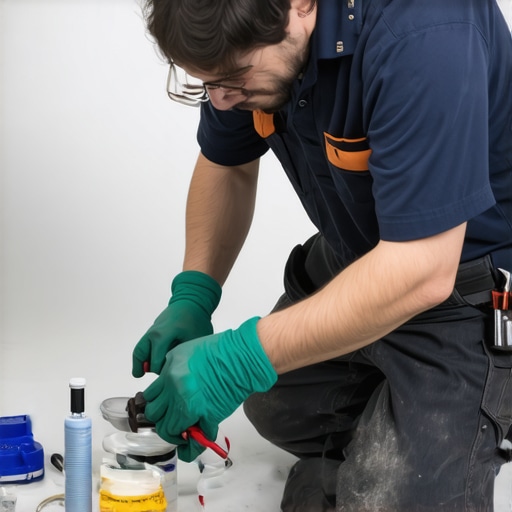
I remember a job back in the early 2000s that still haunts my tool belt. A homeowner in a quiet suburb called me out because their living room floor felt ‘spongy.’ I walked the perimeter and found a single corner miter where the sealant had failed—a gap no wider than a nickel. For three years, every rainfall had allowed water to bypass the end cap, travel down the fascia board, and disappear behind the siding. By the time I arrived, the main rim joist was so rotted you could put a screwdriver through it like butter. That $5,000 repair could have been avoided with a $15 tube of high-grade tripolymer and ten minutes of expertise. Water doesn’t just sit; it hunts for weaknesses. In 2026, as we face increasingly volatile weather patterns, your gutter system’s joints are the front lines of defense. If those joints fail, your foundation is the casualty.
“Downspouts shall be sized based on the rainfall intensity of the region and the roof surface area.” – International Plumbing Code, Section 1106
The Physics of Joint Failure: Why 2026 Demands Better
To understand why your gutters are leaking, you have to understand thermal expansion. Aluminum gutters aren’t static; they are living, breathing components of your home’s envelope. On a hot July afternoon, an eighty-foot run of seamless aluminum can expand by nearly half an inch. When the sun goes down or a cold front hits, it shrinks. This constant ‘accordion’ effect puts immense shear stress on every miter, end cap, and leader outlet. Most ‘handyman’ fixes involve slapping a glob of cheap silicone over a wet leak. That is a recipe for disaster. Silicone doesn’t bond well to oxidized aluminum, and it certainly won’t hold when the metal starts moving. To truly stop a leak, you need weather-ready gutter materials and sealants that maintain elasticity at sub-zero temperatures while resisting UV degradation.
Tactic 1: The Precision Debridement and Camera Scoping
You cannot seal what you cannot see. In 2026, we’ve moved past just poking a finger into the muck. Professional gutter installation services now utilize camera scoping for gutters to identify hairline fractures in the metal itself, not just the sealant. Before any repair, the joint must be stripped of old, brittle caulk. I use a stiff wire brush and a specialized solvent to ensure the aluminum is bright and ‘toothy.’ If you leave even a microscopic layer of old sealant, the new bond will fail within one season. This is especially critical in box gutter installation, where the internal trough is often hidden from view, allowing slow leaks to rot the internal rafters for years before they are spotted.
Tactic 2: Moving Beyond Spike and Ferrule Failure
If your gutters are still held up by spikes and ferrules, you are fighting a losing battle against leaks. As the wood in your fascia expands and contracts, those spikes pull out, creating a gap between the gutter and the board. Water then ‘bridges’ back behind the gutter, rotting the soffit. A critical repair tactic involves a spike and ferrule repair—which usually means replacing them entirely with heavy-duty internal hangers and structural screws. By pulling the gutter tight against the fascia, you ensure that the pitch or slope remains consistent. A sagging gutter is a leaking gutter; standing water creates hydrostatic pressure that forces its way through even the best joint sealant repair.
“Gutters and downspouts shall be constructed of materials that are resistant to corrosion and shall be securely supported to prevent sagging.” – SMACNA Architectural Sheet Metal Manual
Tactic 3: The Hybrid Sealant Revolution
Forget the hardware store ‘gutter caulk.’ The 2026 standard for commercial gutter installation and high-end residential work is high-performance hybrid polymers. These materials combine the UV resistance of silicone with the adhesive strength of polyurethane. When sealing a miter or an elbow, I use the ‘double-bead’ method. This involves applying a primary bead inside the seam and a secondary ‘bridge’ bead over the top. This creates a redundant system. Even if the primary seal is stressed by extreme ice damming in northern climates, the secondary bridge maintains the integrity of the water path toward the leader.
Tactic 4: Managing Volume with Round Downspout Services
Often, what looks like a leaking joint is actually an overflow problem. During a heavy downpour, water velocity increases exponentially. If you have standard 2×3 downspouts, the water backs up, creates a ‘dam’ effect, and puts immense pressure on the joints nearest the outlet. Upgrading to round downspout services or 3×4 oversized leaders reduces this pressure. By allowing the system to breathe and drain faster, you reduce the ‘soak time’ that joints must endure. In areas with heavy forest cover, integrating brush gutter guards can keep large debris from creating these internal dams, though they require a commitment to regular inspection to ensure pine needles don’t weave into the bristles.
Tactic 5: The Automated Maintenance Integration
We are seeing a shift toward automated cleaning systems in high-end exterior management. These systems use targeted water bursts or vibration to keep the trough clear. However, for most homeowners, the best defense is a proactive repair schedule. Every joint should be inspected for ‘chalking’—a sign that the sealant’s binders are breaking down. If you see white streaks running down your downspouts, your sealant is dying. Don’t wait for the drip. Re-sealing a joint while it is still dry and structurally sound is 90% cheaper than repairing a flooded basement or a collapsed soffit. Remember, water is a patient enemy. It only needs one crack to start the process of reclaiming your home for the earth. Keep your hangers tight, your slope true, and your joints sealed with the right chemistry, and you’ll sleep through the next storm without a worry.
Reading through this detailed article on gutter joint repairs really highlights how much attention to detail is necessary to prevent long-term damage. I’ve experienced firsthand how neglecting proper sealing and support can lead to costly repairs down the line. A few years ago, I installed heavy-duty internal hangers instead of relying on spikes, and the difference was night and day, especially during heavy rainfalls. The mention of hybrid sealants resonates with me because I’ve had success using similar materials in my projects, especially in colder climates where flexibility is key. It also makes me wonder, how many homeowners are aware of the importance of regular inspections beyond just looking for visible leaks, such as checking for chalking or minor cracks that could compromise the system later? Maintenance and using the right materials seem crucial for future-proofing our homes against increasingly volatile weather. Has anyone here experienced a failed joint despite upgrading to these recommended practices? Would love to hear how you managed it or prevented it altogether.