The Costly Reality of Commercial Water Management Failures
I remember standing on a parapet wall in the middle of a brutal February in a northern commercial park. The facility manager was frantic because his high-bay warehouse had water cascading down the interior structural steel. He had spent a fortune on a new TPO membrane just two years prior, yet here we were, watching $50,000 worth of sensitive electronic inventory get soaked. The culprit wasn’t the roof field itself; it was a catastrophic failure at the metal roof gutter transition. Because the original installers skipped the proper gutter apron aluminum and relied on cheap caulk instead of 2026-grade flashing protocols, the ice dam prevention system failed. The water backed up, found a tiny gap behind the fascia, and gravity did the rest. This is why commercial gutter installation is not a side job for a roofer; it is a specialized engineering task that requires an understanding of thermal expansion and fluid dynamics.
The Physics of TPO and Metal Roof Gutter Transitions
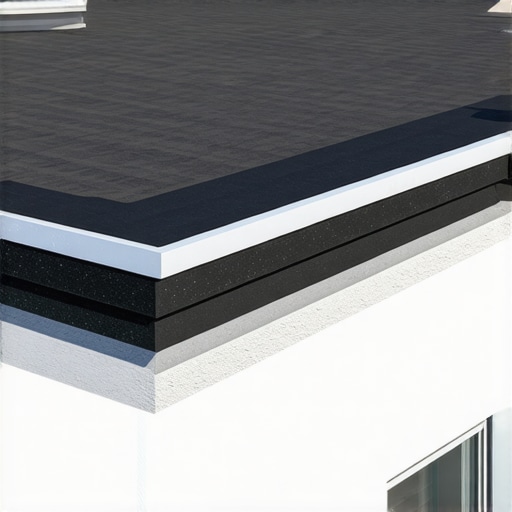
When you are dealing with a flat roof, the edge is the most vulnerable point. TPO (Thermoplastic Polyolefin) is a fantastic membrane, but it has a different coefficient of expansion than the heavy-gauge aluminum or steel used in commercial gutter installation. If the starter strip services do not account for this movement, the bond will break. In the industry, we see ‘joint sealant repair’ being used as a Band-Aid for structural flaws. A proper 2026 TPO flashing setup uses a reinforced termination bar and a custom-bent gutter apron aluminum that allows the membrane to breathe while ensuring water has no choice but to drop into the trough. Without this apron, surface tension pulls water back under the roof edge, leading to wood rot on the fascia and eventually structural compromise of the soffit area.
“Downspouts shall be sized based on the rainfall intensity of the region and the roof surface area.” – International Plumbing Code, Section 1106
The Critical Role of Conductor Head Services
On a commercial scale, a standard 5-inch gutter is a joke. We are talking about thousands of square feet of collection area. During a heavy downpour, the volume of water hitting that edge is immense. This is where conductor head services become mandatory. A conductor head acts as a catch-basin that breaks the vacuum and allows air to enter the leader, which significantly increases flow velocity. It prevents the ‘glugging’ effect that slows down drainage. If your building is located in a region prone to heavy snow, these heads also serve as an overflow relief point. If the leader freezes, the water can spill out of the conductor head rather than backing up into the building envelope. We combine this with erosion control downspouts at the base to ensure that once the water leaves the building, it doesn’t destroy the asphalt or landscape below.
Ice Dam Prevention and Gutter De-Icing Services
In northern climates, the enemy is weight. A single foot of ice in a commercial gutter can weigh over 60 pounds. If your commercial gutter installation used spikes and ferrules, those fasteners are going to pull right out of the fascia. We use heavy-duty box hangers spaced every 12 inches to handle the load. To truly solve the problem, gutter de-icing services are essential. By installing self-regulating heat cables in a zig-zag pattern along the gutter apron aluminum and down the leader pipes, we maintain a clear path for meltwater. This prevents the formation of massive icicles that can become a liability for pedestrians below. Ice dam prevention is not just about heat, though; it is about ensuring the pitch of the gutter is a perfect 1/4 inch per 10 feet toward the outlet. Any standing water is a freezing hazard waiting to happen.
“Gutters and downspouts shall be constructed of materials that are resistant to corrosion and shall be securely fastened to the structure.” – SMACNA Architectural Sheet Metal Manual
Maintenance Protocols: Pressure Washing Gutters and Sealant Audits
You cannot just install a system and forget it. I see ‘maintenance-free’ systems fail every year. Commercial buildings often have HVAC units on the roof that spit out condensation and oils, which collect dust and form a thick sludge in the troughs. Regular pressure washing gutters is necessary to clear this organic debris before it clogs the miter joints or the leader openings. During these cleanings, we perform a joint sealant repair audit. Modern polyether sealants are tough, but UV degradation eventually wins. We strip back the old, cracked sealant and apply industrial-grade compounds that remain flexible at sub-zero temperatures. This prevents the ‘drip-drip-drip’ that eventually turns into a full-scale leak during the spring thaw. Investing in professional starter strip services and high-flow components now is the only way to avoid the catastrophic inventory losses I saw in that Chicago warehouse. Water is a patient predator; don’t give it an opening.
This article highlighting the importance of proper gutter transition design and maintenance in commercial roofing is incredibly insightful. I have dealt with similar issues where inadequate gutter apron aluminum and poor sealing led to significant water intrusion and structural damage, especially in colder climates. The point about thermal expansion and the use of reinforced termination bars really resonates. In my experience, ensuring that the gutter system is designed with the right materials and understanding the physics involved makes a huge difference in the longevity of the roof and gutter integrity. One challenge we often face is coordinating between roofing, gutter, and HVAC teams to ensure comprehensive water management, especially with roof penetrations. Have other professionals found integrated inspection routines helpful for catching potential failure points before they become costly repairs? Sharing best practices on this topic could help elevate installation standards across the industry.