
Understanding the Critical Role of Gutter and Drainage Systems in Home Preservation
As a seasoned professional in home exterior maintenance, I recognize that effective gutter repairs and advanced drainage solutions are not merely maintenance tasks but foundational elements of long-term property protection. Properly functioning gutters prevent water intrusion, soil erosion, and structural damage, especially in regions prone to heavy rainfall. The complexity of these systems requires a nuanced approach that combines strategic repair techniques with innovative drainage innovations, ensuring resilience against the unpredictable climate patterns that challenge modern homes.
Identifying the Underlying Causes of Gutter and Drainage Failures
Before implementing remediation, a detailed assessment of existing gutter systems reveals common pitfalls such as improper installation, debris accumulation, and material degradation. These issues often stem from overlooked design flaws or neglect, emphasizing the importance of expert inspection. For instance, inadequate slope or improper downspout placement can significantly impair water flow, leading to backups and overspill. To address these issues, professionals utilize diagnostic tools and field-tested repair methods, ensuring solutions are tailored to specific structural and environmental demands. For a comprehensive approach, consider consulting reliable drainage repair strategies.
Advanced Techniques in Gutter Repair and Drainage Optimization
Modern gutter repair leverages innovative materials such as seamless aluminum or high-grade polymers, which offer superior durability and minimal maintenance. Equally important are installation techniques that prioritize seamless integration with the roofline and landscape, reducing the likelihood of leaks. Drainage solutions now incorporate sophisticated gutter guards, leaf separators, and integrated splash blocks, which collectively enhance efficiency and longevity. The shift towards expert gutter installation reflects a move to preemptive strategies that mitigate future failures. These advancements are critical in safeguarding homes from water damage during extreme weather events.
How Can Complex Drainage Systems Be Tailored to Unique Architectural and Environmental Conditions?
What are the most effective methods for customizing drainage solutions to specific geographic and structural challenges?
Customizing drainage solutions involves a thorough understanding of local climate patterns, soil composition, and architectural nuances. For example, areas with clay-rich soil require precise grading and reinforced gutter systems to prevent pooling, while sloped landscapes benefit from tiered drainage pathways. Field experts often deploy computer-aided design (CAD) modeling to simulate water flow and identify optimal configurations. Integrating these insights with high-quality materials and installation techniques ensures the drainage system functions seamlessly, reducing the risk of overflow or water ingress. For detailed guidance, explore expert drainage system solutions.
To further enhance your knowledge, I invite you to consult authoritative sources such as the Journal of Building Engineering, which discusses innovative approaches to water management in residential architecture.
Encouraging Professional Insights and Continuous Improvement
Given the evolving landscape of climate challenges and material technologies, ongoing professional development is essential. Homeowners and contractors should collaborate to share insights, report emerging issues, and refine repair techniques. For those interested in elevating their expertise, consider exploring advanced gutter repair strategies to stay ahead of potential failures and ensure lasting protection.
How Can Tailored Gutter and Drainage Solutions Revolutionize Your Home’s Water Management?
When it comes to safeguarding your property from water damage, one-size-fits-all approaches often fall short. Each home presents a unique set of challenges—be it architectural design, local climate, or landscape nuances—that demand a personalized strategy. By leveraging expert insights and modern technology, homeowners can develop custom drainage solutions that not only improve functionality but also extend the lifespan of their gutter systems. For instance, integrating high-capacity downspouts with innovative splash blocks can efficiently channel water away from foundations, especially in areas prone to heavy rainfall. Additionally, assessing soil type and terrain allows for precise grading, ensuring water naturally flows toward designated drainage points. To explore comprehensive customization options, visit expert drainage system solutions.
What innovative tools and frameworks can professionals use to design drainage systems that are perfectly aligned with specific geographic and structural challenges?
Advanced tools such as computer-aided design (CAD) modeling and geographic information systems (GIS) play a pivotal role in optimizing drainage design. These technologies enable experts to simulate water flow, identify potential problem areas, and evaluate the impact of different materials and layouts before physical implementation. Moreover, integrating environmental data—like rainfall patterns and soil permeability—into these models ensures that the solutions are both effective and sustainable. For example, a home with clay-rich soil may require reinforced grading and specialized gutter guards to prevent pooling, whereas sloped landscapes benefit from tiered drainage pathways that facilitate natural runoff. Consulting authoritative sources such as the Journal of Building Engineering provides deeper insights into innovative water management techniques tailored for residential architecture.
If you’re interested in elevating your property’s water management, I encourage you to share your experiences or ask questions in the comments below. Also, consider exploring expert gutter installation and repair strategies to ensure your systems are optimally designed for lasting protection.
Harnessing Cutting-Edge Technology to Tailor Drainage Solutions for Complex Architectures
In the pursuit of optimal water management, leveraging advanced technological tools is paramount. Computer-aided design (CAD) and geographic information systems (GIS) enable engineers and architects to simulate real-world conditions with remarkable precision. These tools facilitate the assessment of water flow patterns across varied terrains, allowing for the design of bespoke drainage systems that seamlessly adapt to the unique contours of each property.
For instance, integrating GIS data with climate models permits the creation of resilient drainage plans that anticipate future rainfall intensities and soil erosion risks. Such foresight is essential in regions facing climate variability, ensuring the longevity and effectiveness of drainage infrastructure. Moreover, these digital simulations can identify potential bottlenecks or failure points, guiding the selection of appropriate materials and configurations before physical installation.
What are the emerging innovations in drainage system materials that complement technologically driven designs?
Recent advancements include high-strength, flexible polymers and composite materials that withstand extreme weather conditions while maintaining structural integrity. For example, UV-resistant polymer pipes and seamless aluminum gutters reduce corrosion and joint failures. Incorporating smart sensors within these materials offers real-time monitoring, allowing homeowners and professionals to detect blockages or leaks early, thereby preventing costly damages.
To explore comprehensive solutions, consulting resources such as the Journal of Building Engineering provides valuable insights into the latest innovations in sustainable and resilient water management systems.
Integrating Environmental Data for Dynamic and Adaptive Drainage Designs
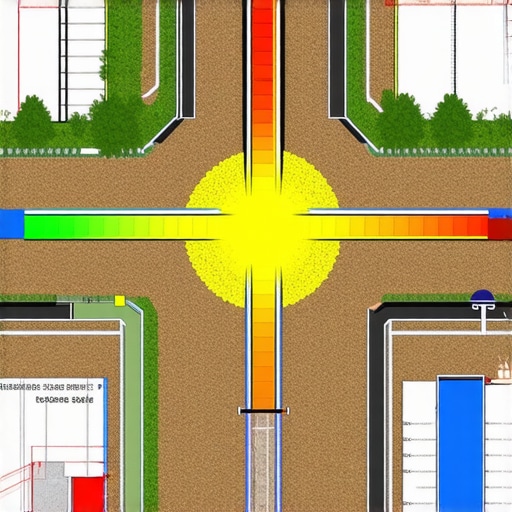
Understanding the environmental context is crucial for developing adaptive drainage systems. By analyzing local rainfall frequency, soil permeability, and landscape topology, experts can design systems that dynamically respond to changing conditions. For example, incorporating adjustable splash blocks and modular downspouts allows for real-time adaptation, optimizing water runoff during heavy storms and minimizing erosion during dry spells.
Furthermore, the deployment of IoT (Internet of Things) devices enables continuous monitoring of water flow and system performance. These smart systems can automatically activate additional drainage pathways or alert homeowners to maintenance needs, thereby maintaining efficiency and preventing structural damage.
< >
>
Such adaptive designs are particularly beneficial in flood-prone areas or regions with unpredictable weather patterns. To gain deeper insights into these technologies and their application, engaging with specialized engineering consultants is highly recommended.
The Future of Custom Drainage: Sustainability and Resilience at the Forefront
Looking ahead, the integration of sustainable practices, such as green infrastructure and permeable pavements, complements traditional drainage systems. These approaches not only manage stormwater effectively but also promote groundwater recharge and urban biodiversity.
For example, bioswales and rain gardens strategically positioned within landscape designs can significantly reduce runoff volume while enhancing aesthetic appeal. Combining these features with technologically sophisticated drainage solutions ensures a holistic approach to home water management that aligns with environmental stewardship and resilience goals.
If you’re interested in pioneering these advanced strategies for your property, consider consulting with experts who specialize in sustainable hydrology and landscape integration. Stay proactive—your home’s longevity and environmental health depend on it.
Harnessing the Power of Data-Driven Design for Precision Drainage Solutions
In the realm of sophisticated home water management, the integration of data analytics and predictive modeling has become indispensable. By harnessing environmental data such as rainfall intensity, soil permeability, and landscape topography, professionals can develop highly precise drainage systems that adapt dynamically to changing conditions. Advanced software tools enable simulation of water flow scenarios, revealing potential failure points and optimizing component placement before physical installation, thereby reducing costs and enhancing system resilience.
What Are the Emerging Materials That Elevate Drainage System Durability?
Recent innovations in materials science have introduced ultra-resistant polymers, composite alloys, and bio-inspired composites that significantly extend the lifespan of gutter and drainage components. These materials offer exceptional resistance to UV degradation, corrosion, and mechanical stress, ensuring longevity even in extreme climates. Additionally, smart materials embedded with sensors can provide real-time feedback on system health, allowing for proactive maintenance and swift intervention when issues arise.
How Can IoT and AI Transform Routine Maintenance into Predictive Care?
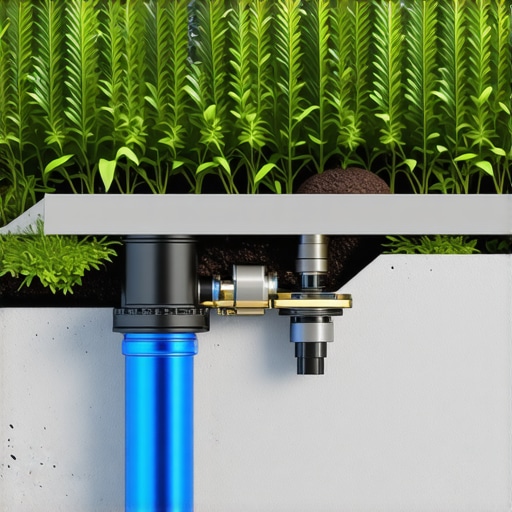
The deployment of Internet of Things (IoT) devices coupled with artificial intelligence (AI) algorithms is revolutionizing maintenance paradigms. Smart sensors embedded within gutters and downspouts continuously monitor flow rates, detect blockages, and forecast potential failures. AI-driven analytics interpret this data, generating maintenance alerts that enable homeowners and contractors to address issues proactively, minimizing damage and reducing repair costs. This shift from reactive to predictive maintenance embodies the future of resilient home infrastructure.
What Role Do Sustainable Technologies Play in Future-Ready Drainage Design?
Green infrastructure solutions such as permeable pavements, rainwater harvesting systems, and bioswales are integral to sustainable drainage planning. These systems not only mitigate runoff but also promote groundwater recharge and enhance urban biodiversity. Incorporating vegetated filtration systems and eco-friendly materials into traditional drainage infrastructure creates a symbiotic relationship between built and natural environments, ensuring resilience against climate change and urban flooding.
How Can Architects and Engineers Collaborate to Pioneer Adaptive Water Management Systems?
Multidisciplinary collaboration is essential to develop adaptive, resilient drainage solutions tailored to complex architectural and environmental challenges. Architects integrate aesthetic and functional considerations, while engineers focus on hydrological efficiency and structural integrity. Utilizing integrated building information modeling (BIM) facilitates real-time coordination, enabling the design of systems that respond intelligently to environmental stimuli. Such synergy results in holistic water management strategies that are both innovative and sustainable.
< >
>
These cutting-edge approaches require continuous professional development and a willingness to adopt novel technologies. For homeowners committed to safeguarding their properties, engaging with industry experts who leverage these advanced strategies can significantly enhance long-term resilience. Dive into specialized resources, attend industry seminars, and consider consulting with hydrology specialists to stay ahead in this evolving field.
Expert Insights & Advanced Considerations
1. The integration of smart sensors in gutter systems enhances real-time monitoring, enabling proactive maintenance that reduces costly repairs.
Modern gutter systems equipped with IoT technology provide homeowners with immediate alerts on blockages or leaks, facilitating timely interventions and extending system lifespan.
2. Sustainable materials like bio-inspired composites are revolutionizing durability, offering resistance to environmental stressors while supporting eco-friendly practices.
These advanced materials not only ensure longevity but also contribute to sustainable building practices, aligning with global efforts to reduce environmental impact.
3. Computer-aided design (CAD) and geographic information systems (GIS) are critical tools for customizing drainage solutions that precisely match complex architectural and environmental challenges.
Utilizing these technologies allows experts to simulate water flow, optimize component placement, and anticipate future climate impacts, ensuring resilient and efficient systems.
4. Incorporating green infrastructure such as permeable pavements and rain gardens significantly enhances urban water management, reducing runoff while promoting ecological benefits.
This holistic approach integrates natural processes with engineered systems, fostering sustainable and adaptive water control strategies.
5. The collaboration between architects and engineers, supported by Building Information Modeling (BIM), fosters innovative, adaptive water management systems tailored to specific site conditions.
Such multidisciplinary efforts lead to resilient designs that effectively address both structural and environmental demands, ensuring long-term home protection.
Curated Expert Resources
- Journal of Building Engineering: Offers cutting-edge research on sustainable water management and innovative drainage technologies, providing a deep dive into the latest scientific advancements.
- Elite Gutter Works Blog: Features expert articles, case studies, and practical tips on gutter repair, installation, and maintenance, serving as a trusted resource for industry professionals.
- National Green Infrastructure Initiative: Provides guidelines and case studies on integrating green infrastructure into urban planning, emphasizing resilience and environmental sustainability.
Final Expert Perspective
In the realm of home resilience, mastering advanced gutter and drainage solutions is essential for long-term protection against climate variability and structural challenges. Leveraging expert insights, innovative materials, and cutting-edge technologies like GIS and IoT not only elevates the effectiveness of these systems but also aligns with sustainable and resilient design principles. Engaging with authoritative resources and multidisciplinary collaboration ensures that your water management strategies remain robust, adaptive, and future-ready. For professionals and homeowners alike, continuous learning and technological adoption are key to safeguarding property and promoting environmental stewardship. We invite you to share your insights or explore more about these advanced approaches—your expertise can contribute to a more resilient future.