The Cold Truth About Heated Gutter Cables and Roof Longevity
I have spent twenty-five years staring at rooflines and foundation cracks, and if there is one thing I have learned, it is that water is a patient assassin. It waits for the temperature to drop, it finds a weakness in your aluminum gutter installation, and then it expands. I remember a particularly brutal stretch in February 2021. I was called out to a property where the homeowner thought they had solved their ice problems with a DIY kit from a big-box store. Instead of a clear drainage path, I found a sixty-foot run of gutter that had been ripped clean off the fascia board. The weight of the ice, fueled by a poorly placed heating cable that only melted a small tunnel, had turned the entire trough into a solid block of frozen concrete. The brackets, spaced too far apart for a northern climate, simply gave up. When that gutter fell, it took the wood shake gutter flashing and a chunk of the soffit with it. That is the reality of ice dams when they are not managed by someone who understands the physics of a freeze-thaw cycle.
The Physics of the Ice Dam: Why Your Roof is at Risk
To understand if heated gutter cables damage shingles, you first have to understand the ‘Hydro-Zoom’ of ice formation. When snow on your roof melts due to heat escaping from the attic, it trickles down to the cold eave. This is where the physics of surface tension and phase change become your worst enemies. The water reaches the edge, hits the freezing air, and turns back into ice. This creates a dam. Subsequent meltwater pools behind this dam. Because water is an incompressible fluid, when it freezes, it expands by about nine percent. This expansion exerts a hydraulic force that can lift shingles and drive moisture into the roof deck. This is not just a leak; it is a structural assault.
“Roof drainage systems shall be designed and installed to prevent water from entering the building envelope.” – International Plumbing Code, Section 1101
This building code exists because once water breaches the shingles, your home’s skeletal structure begins to rot. A proper system must move that water away before it has the chance to settle.
Does Heat Tape Actually Hurt Your Shingles?
The short answer is: not if it is high-quality and installed with precision. The ‘heat tape’ most people worry about is technically called self-regulating heating cable. The myth that these cables ‘cook’ your shingles comes from the old-school constant-wattage cables that stayed hot regardless of the outside temperature. Modern heated gutter cables are smarter. They use a conductive polymer core that increases its heat output as the temperature drops and decreases it as things warm up. However, damage can occur if the installation is sloppy. If a contractor uses cheap clips that penetrate the shingle mat, they are creating a leak point. Furthermore, if the cable is too hot for too long, it can accelerate the loss of granules on asphalt shingles. These granules are the primary defense against UV radiation. When they slough off, the underlying asphalt becomes brittle. This is why custom gutter fabrication often includes integrated heat tracks that keep the cable off the shingle surface entirely, focusing the heat where it belongs: in the gutter and down the leader.
The Interaction with Wood Shake and Specialized Flashing
For those with wood shake gutter flashing, the stakes are even higher. Wood is porous and reacts to moisture cycles much more aggressively than aluminum or steel. If heat tape is laid directly against wood shake, it can cause localized drying and cracking, leading to a failure in the flashing’s ability to shed water. When we perform steel gutter services or aluminum gutter installation in snow-heavy regions, we look at the entire drainage hierarchy. You cannot just slap a cable on a roof and call it a day. You need to ensure the hanger spacing is tight (every 12 inches in high-snow loads) and that the pitch of the gutter is an exact quarter-inch per ten feet to ensure that once the cable melts the ice, the water actually leaves the building. Standing water is the precursor to rust in steel and oxidation in aluminum.
The Role of Downspout Management
An ice dam prevention system is useless if the water melts on the roof only to refreeze in the downspout. This is where many ‘pro’ installs fail. You must run the heated cable all the way down the leader and into the exit point. If you are using flexible downspout extensions, you have to be even more careful. Those ridges in flexible extensions are perfect traps for ice crystals. I always recommend transitioning to a smooth-walled pipe or ensuring the heat cable extends through the entire length of the extension to a pop-up emitter or a safe drainage zone.
“Downspouts shall be sized based on the rainfall intensity of the region and the roof surface area.” – International Plumbing Code, Section 1106
While this code refers to rain, the principle applies to meltwater. If your 2×3 leaders are too small for the volume of melt your cables are producing, the water will back up, freeze, and you are right back where you started with a heavy, dangerous block of ice hanging over your head.
Upgrading Your System: From Demolition to Installation
If you are dealing with an old, failing system, the first step is a thorough old gutter demolition. You cannot build a fortress on a swamp, and you cannot hang a heavy, heated gutter on a rotted fascia board. During the demolition phase, we often find that the original installers ignored the miter joints or used cheap spikes and ferrules. Spikes are garbage; they pull out the second a heavy load of ice hits them. We use heavy-duty screw-in hangers that bite deep into the rafter tails. For those looking for the ultimate protection, we provide custom gutter fabrication that can include hurricane-rated installations. Even if you don’t live in a hurricane zone, a hurricane-rated bracket is exactly what you want when you have three hundred pounds of ice sitting in your gutters. It ensures the system stays on the house, protecting your patio cover gutters and your foundation. When considering the cost, remember that free gutter quotes processing is just the start; you are looking for an engineering solution, not a commodity product.
The Verdict: Maintenance vs. Automation
Heated gutter cables are a tool, not a miracle. They require an investment in quality materials and an obsessive focus on installation geometry. If you use them to mask a poorly insulated attic, you are treating the symptom, not the disease. However, as part of a comprehensive water management strategy, they are invaluable. They keep the path clear so that surface tension doesn’t pull water back under your shingles and into your soffit. Just make sure your specialist is checking the ‘Pitch’ and the ‘Slope’ with a level, not their eyes. Water doesn’t care about your opinion; it only cares about gravity. If you want to keep your foundation dry and your shingles intact, focus on the engineering of the flow. That is how you win the war against winter.
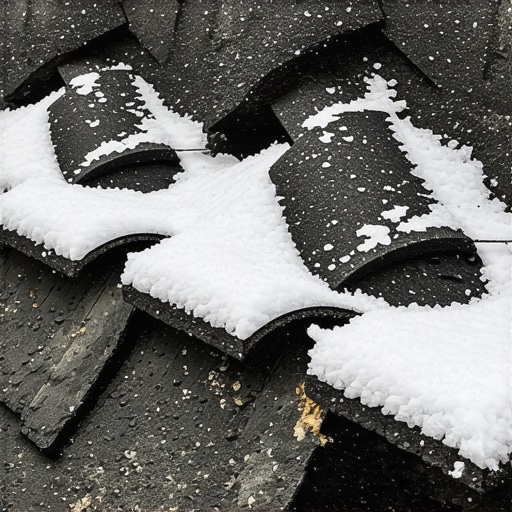
“, “image”: {“imagePrompt”: “A close-up high-resolution photograph of a professional aluminum gutter installation on a snow-covered roof. The image shows self-regulating heated gutter cables installed in a clean zig-zag pattern on the lower shingles and tucked into the gutter trough. Melted water is visible dripping into the gutter, while heavy ice dams are absent. The focus is on the drip edge and the heavy-duty hangers securing the gutter to the fascia board.”, “imageTitle”: “Professional Heated Gutter Cable Installation”, “imageAlt”: “High-quality heated gutter cables installed on an aluminum gutter system to prevent ice dams.”}, “categoryId”: 0, “postTime”: “”}