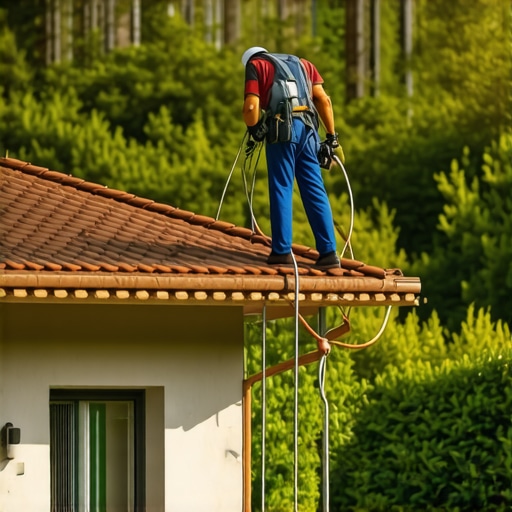
Elevating Home Safety with Advanced Gutter and Drainage Solutions
In the realm of home maintenance, the interplay between gutter care, drainage efficiency, and structural integrity is critical. As seasoned professionals in gutter installation and repairs, we recognize that a sophisticated approach to gutter cleaning and drainage system optimization not only safeguards a property but also extends its lifespan. This article delves into the nuanced practices and innovative solutions that elevate standard maintenance into a strategic defense against water damage and foundation issues.
Strategic Gutter Design for Enhanced Water Management
Proper gutter installation transcends mere placement; it involves meticulous planning of drainage pathways, downspout placement, and material selection. Advanced gutter designs incorporate seamless systems, high-capacity gutters, and integrated splash blocks, ensuring efficient water diversion even during heavy rainfall. Comprehensive drainage solutions, such as French drains or surface grading, complement gutter systems to prevent water pooling and soil erosion around the foundation. For detailed insights into effective drainage integration, consult this resource.
Maintenance and Repairs: The Cornerstone of Long-Term Durability
Consistent gutter cleaning is paramount to maintaining optimal drainage. Expert techniques involve the use of specialized tools to remove debris, identify corrosion, and assess joint integrity. When repairs are necessary, precision in sealing leaks, replacing damaged sections, and reinforcing brackets ensures the system’s resilience. For a comprehensive guide on maintenance strategies, explore this detailed article. Regular inspection cycles, aligned with seasonal changes, help preempt costly repairs and ensure unobstructed water flow.
Understanding the Complexities of Gutter and Drainage Synergy
Effective drainage management involves a layered understanding of hydrological principles, soil composition, and architectural design. For instance, the slope of the roof and the grade of the yard influence the choice of gutter size and downspout placement. Additionally, integrating gutter guards can reduce debris accumulation, but their compatibility with local climate conditions must be evaluated. As experts, we advocate for a tailored approach—combining high-quality materials with strategic installation—to mitigate water intrusion risks. For more insights into system solutions, visit this authoritative source.
How can homeowners proactively identify potential drainage failures before they cause damage?
Regular visual inspections during different weather conditions, combined with professional assessments, are critical. Look for signs such as overflowing gutters, water stains on fascia boards, or uneven ground around the foundation. Employing moisture sensors or water flow monitors can provide real-time data, enabling early intervention. Engaging with experts for comprehensive drainage audits can uncover hidden issues, ensuring that your system functions optimally under all conditions.
For further expertise, consider exploring these advanced maintenance tips. Your proactive approach will significantly reduce the risk of water-related damages, preserving your home’s structural integrity and value.
To elevate your knowledge further or share professional insights, visit our expert resource hub.
Innovative Strategies to Detect Hidden Drainage Problems
While visual inspections are essential, advanced tools like infrared thermography and acoustic sensors can reveal hidden drainage issues that are not visible to the naked eye. These technologies detect temperature variations and sound anomalies caused by water leaks, providing a non-invasive way to diagnose potential problems before they escalate. Incorporating such diagnostic techniques into routine maintenance can significantly enhance your ability to prevent costly damage. For detailed insights on integrating these tools, visit this expert resource.
Customizing Drainage Solutions Based on Local Conditions
Every property has unique hydrological characteristics influenced by climate, soil type, and landscape. For instance, areas with clay soil require different drainage approaches compared to sandy terrains. Tailoring drainage solutions—such as installing French drains, dry wells, or subterranean piping—ensures optimal water flow and soil stability. Analyzing local weather patterns and soil composition with the help of a drainage professional can lead to more durable, effective systems. To explore personalized drainage options, consult this authoritative guide.
What are the emerging technologies shaping the future of residential drainage management?
Smart drainage systems equipped with IoT sensors and automated controls are gaining popularity among homeowners seeking proactive water management. These systems monitor real-time data on rainfall, water flow, and soil moisture, triggering automatic responses like activating pumps or closing valves to prevent overflow or pooling. Such innovations not only reduce manual maintenance but also enhance overall system resilience. Staying ahead of these trends requires understanding how smart solutions can integrate seamlessly with existing gutter systems. Learn more about future-proof drainage strategies at this trusted resource.
If you’re interested in adopting cutting-edge drainage solutions, consider sharing your experiences or seeking tailored advice in our community comments. For more expert tips, explore this comprehensive guide to advanced drainage maintenance techniques.
Harnessing Cutting-Edge Tech to Safeguard Your Home from Hidden Drainage Hazards
While traditional inspections of gutters and drainage systems rely heavily on visual cues, the advent of advanced diagnostic technologies has revolutionized how homeowners and professionals identify concealed issues. Infrared thermography, for instance, employs thermal imaging to detect temperature discrepancies caused by water leaks, effectively revealing dampness behind walls or beneath the foundation that escape the naked eye. Similarly, acoustic sensors analyze sound patterns — listening for anomalies such as dripping or rushing water — to pinpoint leaks or blockages that could compromise structural stability. Integrating these tools into routine maintenance regimes dramatically reduces the risk of undetected damage, saving homeowners thousands in repairs and preventing catastrophic failures.
What role do smart sensors play in proactive drainage management?
Smart drainage systems equipped with IoT (Internet of Things) sensors are transforming home water management by providing real-time data on rainfall intensity, soil moisture levels, and water flow rates. These systems can automatically activate pumps, open or close valves, or alert homeowners when thresholds are exceeded, ensuring optimal drainage without manual intervention. For example, a smart system might detect rising water levels during a storm and trigger an automated pump to divert excess water, preventing basement flooding or foundation erosion. Such integration not only enhances resilience but also optimizes maintenance schedules, allowing for predictive repairs rather than reactive fixes. According to a comprehensive study by the National Institute of Standards and Technology (NIST), these intelligent systems significantly outperform conventional methods in maintaining home integrity under variable weather conditions.
Designing resilient drainage systems tailored to local environments
Every geographical area presents unique challenges — from clay-rich soils that impede water absorption to sandy terrains that drain too quickly, risking erosion. Advanced drainage solutions necessitate a nuanced understanding of these local conditions, often requiring customized designs like French drains, dry wells, or subterranean piping tailored to specific landscape and climate patterns. For instance, in regions prone to heavy rainfall, incorporating underground detention basins can effectively hold excess water, reducing runoff and soil saturation. Conversely, arid zones might benefit from evaporation-based systems that maximize water reuse. Employing hydrological modeling software, such as HEC-HMS developed by the U.S. Army Corps of Engineers, enables precise simulation of water flow and soil interaction, guiding optimal system design. This predictive approach ensures that drainage infrastructure remains robust, adaptable, and capable of handling future climate variability.
How can homeowners leverage data analytics to optimize drainage system performance?
By collecting detailed data through sensors and environmental monitoring devices, homeowners can utilize analytics platforms to identify patterns and predict potential failures. For instance, analyzing historical rainfall data alongside real-time soil moisture readings can reveal emerging trends indicating system overloads or inefficiencies. Advanced algorithms can recommend maintenance schedules, suggest system upgrades, or even automate corrective actions, such as adjusting flow rates or activating auxiliary drainage components. Companies like WaterData Analytics are pioneering cloud-based platforms that centralize data management, turning raw information into actionable insights. This data-driven approach transforms drainage maintenance from a reactive chore into a strategic, proactive practice—protecting your property while optimizing resource use.
Interested in exploring how these emerging technologies can be integrated into your home’s drainage system? Reach out to our expert team or dive into our detailed guides to stay ahead of potential water management issues and ensure your property’s longevity.
Innovative Approaches to Drainage Optimization
Modern drainage management transcends traditional methods by integrating cutting-edge technologies such as IoT sensors and advanced hydrological modeling. These innovations enable homeowners and professionals to anticipate issues before they manifest, thereby safeguarding structural integrity and minimizing repair costs. The strategic deployment of smart sensors in conjunction with sophisticated software like HEC-HMS allows for real-time monitoring of water flow, soil saturation, and rainfall patterns, fostering a proactive stance in water management.
Harnessing Data Analytics for Precision Drainage
By leveraging data analytics platforms such as WaterData Analytics, homeowners can analyze historical trends and current environmental data to optimize drainage performance. This scientific approach supports predictive maintenance, informing when and where interventions are necessary, and ensuring systems adapt dynamically to changing climate conditions. The integration of these tools exemplifies a paradigm shift towards data-driven, resilient drainage infrastructure.
Expert Strategies for Tailored Drainage Solutions
Designing effective drainage systems requires a nuanced understanding of local geology, climate, and landscape. Advanced techniques include employing hydrological simulation software to model water movement, thus enabling the creation of customized solutions like subterranean piping, detention basins, or evaporation-based systems. For example, in clay-rich soils prone to poor infiltration, incorporating French drains combined with moisture sensors ensures optimal water diversion and soil stability. Consulting with specialists who utilize these tools guarantees installation that withstands future climatic variability.
What Future Technologies Will Transform Residential Drainage?
Emerging innovations such as AI-powered predictive analytics and autonomous pumping systems are poised to redefine home water management. These systems continuously analyze environmental data, automatically adjusting flow rates or activating backup mechanisms during extreme weather events. According to research by the National Institute of Standards and Technology (NIST), such intelligent systems outperform conventional setups by providing adaptive, resilient solutions that mitigate flood risks and protect property integrity.
Maximizing System Lifespan Through Smart Maintenance
Routine inspections augmented with infrared thermography and acoustic leak detection can reveal concealed damages and potential failure points, facilitating timely repairs. These diagnostic techniques detect temperature anomalies and sound irregularities caused by leaks, preventing escalation into costly structural problems. Integrating these tools into maintenance routines enhances system durability, ensuring longevity and optimal performance.
How Can Homeowners Leverage Technology to Prevent Drainage Failures?
Utilizing sensor data and analytics enables early detection of drainage inefficiencies. For instance, real-time soil moisture monitoring combined with weather forecasts can inform proactive measures, such as adjusting gutter angles or installing additional drainage channels. Engaging with specialist firms that offer comprehensive monitoring solutions ensures that your drainage infrastructure remains resilient against unpredictable weather patterns, ultimately preserving your home’s foundation and landscape.
Leverage Cutting-Edge Technology for Better Water Control
Advanced sensors and IoT integration are revolutionizing how homeowners monitor and optimize their gutter systems. Smart water flow monitors can alert you to blockages or leaks before they cause damage, enabling proactive maintenance and reducing repair costs.
Real-Time Data Transforms Maintenance
Using real-time analytics from these devices, you can schedule repairs before issues escalate, maintaining optimal drainage performance and preserving your property’s foundation.
Design Systems That Adapt to Local Conditions
Every landscape presents unique challenges. Experts recommend tailored solutions such as underground detention basins in flood-prone areas or evaporation-based drainage in arid zones. Hydrological modeling tools like HEC-HMS assist in creating resilient designs that withstand future climate changes.
Customize for Long-Term Success
Partnering with specialists ensures your drainage infrastructure adapts to evolving environmental factors, safeguarding your home against water intrusion and soil erosion.
Curated Resources for the Discerning Homeowner
- Elite Gutter Works Installation Guide: Offers comprehensive techniques for high-quality gutter installation with optimal drainage.
- Expert Repair Strategies: Focuses on long-lasting repair methods that prevent recurring issues.
- Drainage System Innovation: Explores emerging technologies like smart sensors and automated controls.
Final Reflection from the Drainage Authority
Mastering the nuances of gutter and drainage management is essential for durable, water-resistant homes. Integrating expert insights and innovative technologies ensures your property remains protected against water-related threats. Reach out to our team or explore our advanced resources to elevate your home safety today.