The Hidden Weight of Winter: A Specialist Perspective
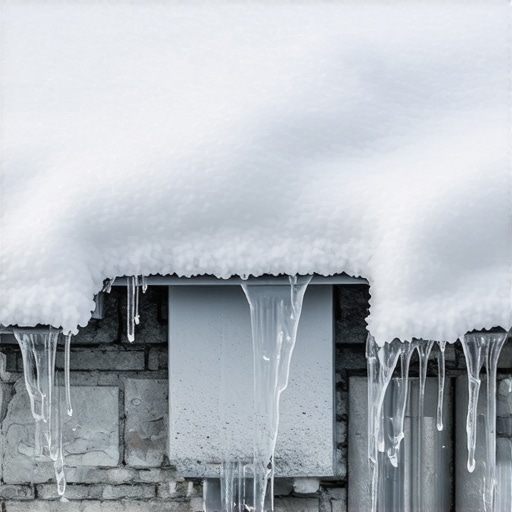
In twenty-five years of water management, I have seen more foundations ruined by a single winter of neglect than by a decade of heavy rain. People think snow is fluffy and light, but when that snow melts on a warm roof and hits a cold gutter, it becomes a structural liability. I once stood in a driveway during a mid-winter thaw where a forty-foot run of seamless aluminum gutter was groaning under the weight of an ice shelf three inches thick. The homeowner had used cheap spikes and ferrules, which have zero pull-out resistance once the wood of the fascia softens. Suddenly, the whole run ripped away, taking the fascia board with it and exposing the rafter tails to the elements. That is not just a gutter failure; that is a building envelope catastrophe. Proper winter drainage is about engineering for weight and freeze-thaw cycles, not just catching rain.
“Downspouts shall be sized based on the rainfall intensity of the region and the roof surface area.” – International Plumbing Code, Section 1106
The Physics of the Ice Dam and Gutter Load
To understand why your foundation is at risk, you have to understand the hydro-mechanics of snow melt. As heat escapes from your attic, it warms the roof deck, melting the bottom layer of snow. This liquid water flows down to the eave, which is colder because it overhangs the exterior of the house. The water refreezes, creating an ice dam. When the next wave of meltwater arrives, it cannot enter the gutter. It backs up under the shingles or, worse, overflows the front of the gutter and drops directly next to your foundation. This is where the real damage starts. The soil saturates, freezes, and expands, putting immense hydrostatic pressure on your basement walls. This process is why gutter sizing calculations are not just for rain; they must account for the volume of slush and the speed of rapid thaws. If your system is undersized, the water bridges the gap behind the fascia and rots your home from the inside out.
The Water Management Audit: Pitch and Structural Integrity
A professional water management audit starts with the pitch. Every gutter must have a specific slope: exactly one-quarter inch of drop for every ten feet of run toward the leader. If the slope is off, water pools. In winter, pooling water becomes a solid block of ice that prevents any further drainage. We often use camera scoping for gutters to identify internal blockages or structural collapses within the downspouts that are invisible to the naked eye. When we perform two-story gutter services, we look at the hangers. In snow-heavy regions, you cannot rely on standard thirty-inch spacing. You need heavy-duty hangers every twelve to eighteen inches, screwed directly into the rafter tails, not just the fascia board. This provides the structural leverage needed to hold hundreds of pounds of ice without sagging.
[image_placeholder_1]
Sizing and Downspout Relocation for Maximum Flow
Many homes are built with standard five-inch gutters that are simply inadequate for heavy snow melt or high-volume storms. Moving to a six-inch system increases capacity by nearly forty percent. Furthermore, the size of the leader, or downspout, is critical. A standard two-by-three downspout is a bottleneck. Upgrading to a three-by-four inch leader allows slush and debris to pass more freely, reducing the risk of a freeze-up. If your downspouts currently dump water at the corner of the house, you are asking for foundation cracks. Downspout relocation is often necessary to move that exit point at least ten feet away from the structure, using solid PVC piping buried below the frost line if possible. For outbuildings, implementing shed gutter systems can prevent the perimeter of the shed from becoming a swamp that eventually rots the floor joists.
“Gutters and downspouts shall be maintained in good working order and free from obstructions.” – International Property Maintenance Code, Section 304.7
Gutter Guards and Solar Panel Considerations
There is a lot of nonsense in the industry about brush gutter guards and other mesh systems. While brush guards can keep out large leaves, they can sometimes trap needles and small organic matter that then freezes into a solid “ice brick.” For snowy climates, a perforated stainless steel mesh is often better because it allows for a faster melt-through. However, the biggest challenge we see lately involves solar panel gutter avoidance. Solar panels have a slick surface that causes snow to slide off in massive sheets, known as a “snow avalanche.” If your gutters are positioned too far out, this snow will rip them right off. We often install snow guards on the panels themselves or use heavy-duty splash guards and reinforced hangers to handle the impact of falling snow and the high-velocity runoff that solar arrays produce.
Maintenance and Safety Protocols
Gutter debris removal is the most basic but most ignored part of foundation protection. Organic sludge in the bottom of a gutter acts like a sponge, holding water that would otherwise drain. When this sponge freezes, it expands and can split the seams of your miters or pop the end cap off the run. This is why professional gutter cleaning services are essential before the first hard freeze. When doing this yourself, professional ladder safety is non-negotiable. Never lean a ladder against the gutter itself; use a standoff or stabilizer to distribute the weight against the roof or the wall. Ensure the ladder is on a level surface, and never stand on the top two rungs. The goal is to clear the system so that when the spring thaw hits, the water has a clear, unobstructed path to the splash block and away from your home. Ground-level water management is just as important as what happens at the roofline. Ensuring your splash blocks are angled correctly and not sunken into the turf prevents the very erosion that leads to basement seepage. Remember, a house is only as dry as its drainage system is efficient. Treating your gutters as a managed engineering system rather than an afterthought is the only way to protect your foundation for the long haul.