Mastering the Complexities of Home Water Management Systems for Lasting Durability
In the realm of residential infrastructure, understanding the nuanced interplay between drainage systems, gutter maintenance, and seamless installation processes is paramount for ensuring long-term structural integrity. As experts in professional drainage and gutter solutions, we recognize that the key to durable water management extends beyond basic maintenance, demanding a strategic approach rooted in technical precision and proactive repairs.
Elevating Gutter Systems through Precision Installation and Expert Repairs
Proper gutter installation forms the backbone of efficient rainwater diversion, mitigating risks of sub-surface moisture intrusion and foundation erosion. Advanced installation techniques incorporate high-grade materials and precise pitch calculations, minimizing debris accumulation and facilitating unobstructed flow. Regular repairs, leveraging cutting-edge methods, preempt potential failures, such as leaks or detachments, which could compromise property safety. To explore detailed insights on durable installation strategies, visit Gutter Installation and Replacement.
Assessing Drainage Efficacy amid Evolving Climate Patterns
The escalating frequency of extreme weather events necessitates a comprehensive evaluation of existing drainage solutions. Modern drainage system solutions encompass sophisticated design modifications, such as incorporating larger downspouts, embedded drain channels, and permeable surface integrations. These innovations collectively enhance water runoff capacity and reduce hydraulic overload during storm surges. Integrating these advancements requires expert assessments and anticipatory repairs to address minor damages before they escalate into catastrophic failures.
What Are the Critical Factors Influencing Gutter and Drainage System Longevity?
How can homeowners optimize repairs to extend system lifespan without extensive replacement?
Optimal repairs involve meticulous cleaning routines, employing durable sealants, and upgrading structural components with corrosion-resistant materials. Regular inspections, especially after severe weather, help identify early signs of wear, preventing costly damage and systemic failures. When performed by professionals, these interventions significantly enhance the longevity of drainage and gutter components, preserving the home’s resilience against water intrusion.
Incorporating Smart Water Management Technologies for Future-Proof Homes
The integration of sensor-based monitoring and automated drainage controls represents an emerging frontier in property protection. These systems provide real-time insights into water flow dynamics, enabling preemptive actions that preclude system overloads and clogs. For further expert recommendations on adopting these innovations, consult Expert Drainage System Solutions.
As professionals committed to advancing property resilience, we encourage homeowners and contractors alike to contribute insights and share advancements in gutter and drainage technology. Continuous learning and adaptation are vital in navigating the evolving landscape of property protection challenges.
Building the Future: Advanced Techniques in Gutter and Drainage Design
As climate patterns become increasingly unpredictable, traditional gutter and drainage systems must evolve to meet new challenges. Implementing innovative design features—such as seamless gutter integration, reinforced joints, and custom-tailored downspout configurations—can significantly enhance water diversion efficiency. These upgrades not only prevent water accumulation but also reduce maintenance frequency, ensuring sustained protection for your property. For detailed guidance on integrating these advanced solutions, explore expert gutter repairs and installation that prioritize durability and performance.
Harnessing Technology to Predict and Prevent Drainage Failures
Leveraging sensor technology and data analytics offers a proactive approach to drainage management. Smart systems monitor water flow rates, detect blockages, and evaluate system health in real-time, allowing homeowners and professionals to address issues before they escalate. Integrating these technologies with existing infrastructure requires expertise but can dramatically reduce emergency repair costs and property damage. For further insights into implementing smart drainage solutions, consult efficient drainage system strategies.
Can predictive analytics truly replace traditional maintenance routines in ensuring drainage system longevity?
This question underscores the potential for technological advancements to transform property water management. While predictive analytics offer invaluable foresight, combining them with routine inspections and timely repairs remains essential for comprehensive protection. Recognizing the limits of automation and emphasizing a holistic approach ensures systems remain resilient against both sudden storms and gradual wear. For expert tips on optimizing maintenance strategies, see top maintenance practices for gutters and drainage.
If you’re interested in boosting your property’s water resistance, consider sharing your experiences or seeking tailored advice—our community thrives on collaborative learning and expert sharing.
Embracing Material Science to Revolutionize Drainage Durability
Advancements in material science have opened new horizons for homeowners seeking resilient water management solutions. Traditional materials like PVC and aluminum, while widely used, are increasingly supplemented or replaced by innovative composites and specialized alloys that resist corrosion, UV degradation, and mechanical stress. These advancements translate to longer-lasting gutters and drainage channels, reducing maintenance frequency and replacement costs. For instance, fiber-reinforced polymers (FRPs) demonstrate exceptional strength-to-weight ratios, enabling the construction of durable systems capable of withstanding severe weather conditions without expanding or contracting excessively.
Assessing the Environmental Impacts of Next-Gen Drainage Materials
While durability is paramount, understanding the environmental footprint of these advanced materials is equally critical. Eco-friendly composites, such as biodegradable polymer blends or recycled materials, are gaining prominence, aligning infrastructure resilience with sustainability goals. According to a comprehensive study by the International Journal of Environmental Science and Technology, adopting such materials can reduce the environmental impact of drainage system manufacturing and disposal, fostering a circular economy approach in property water management. Incorporating eco-conscious materials also addresses future regulatory standards aimed at reducing the ecological footprint of residential infrastructure.
How Do Material Innovations Influence System Design Flexibility?
Integrating new materials into drainage systems unlocks unprecedented design possibilities. Engineers can now craft seamless gutter systems with complex geometries, custom fittings, and integrated sensors, enhancing both functionality and aesthetic appeal. The malleability and strength of contemporary composite materials enable the development of modular systems that are easily customized to specific architectural styles and property requirements. Moreover, lightweight yet robust materials facilitate easier installation in challenging environments, such as rooftops with limited access, significantly reducing labor time and costs.
Can advanced material solutions adapt to the increasing demands of climate-resilient infrastructure?
Absolutely. Climate-resilient infrastructure demands materials capable of enduring extreme temperature fluctuations, intense storms, and rapid precipitation cycles. High-performance composites and corrosion-resistant alloys satisfy these criteria, offering stability and longevity under duress. For example, galvanized steel reinforced with protective coatings maintains structural integrity in humid and saline environments, typical of coastal regions exposed to storm surges. Such material choices not only extend system lifespan but also enhance the overall resilience of the property against climate variability.
To stay ahead in this evolving landscape, property owners and contractors should stay informed about emerging materials and their applications. Engaging with industry-leading manufacturers and research institutions provides valuable insights into test results, case studies, and certification standards for next-generation drainage materials.
Interested in customizing your property’s water management system with the latest innovations? Reach out to our experts for tailored advice that integrates durability, sustainability, and design flexibility, ensuring your investment withstands the test of time and climate.
Challenging the Limits: How Material Innovation Defines Next-Generation Drainage Durability
As the demands on residential water management systems escalate due to increasingly volatile climate patterns, the role of advanced materials becomes pivotal. Traditional materials such as galvanized steel, PVC, and aluminum, despite their familiarity and cost-effectiveness, face limitations under harsh environmental conditions. Cutting-edge composites, including fiber-reinforced plastics (FRPs) and bio-based polymers, are revolutionizing the landscape, offering enhanced resistance to corrosion, UV radiation, and mechanical stress. These materials enable the design of seamless, lightweight, yet extraordinarily durable gutter and drainage components capable of withstanding the triple threat of long-term exposure, severe weather events, and structural fatigue.
Strategic Material Selection as a Catalyst for Sustainable Infrastructure
Eco-conscious homeowners and engineers are increasingly prioritizing sustainability alongside durability. Innovative, environmentally friendly composites—crafted from recycled plastics or bio-based polymers—are now being integrated into residential drainage systems, aligning performance with green principles. According to a detailed case study published in the Journal of Green Building, eco-compatible materials not only extend system lifespan but also substantially reduce environmental impact during manufacturing and end-of-life disposal. This approach addresses regulatory push towards sustainable infrastructure, ensuring resilience while minimizing ecological footprints.
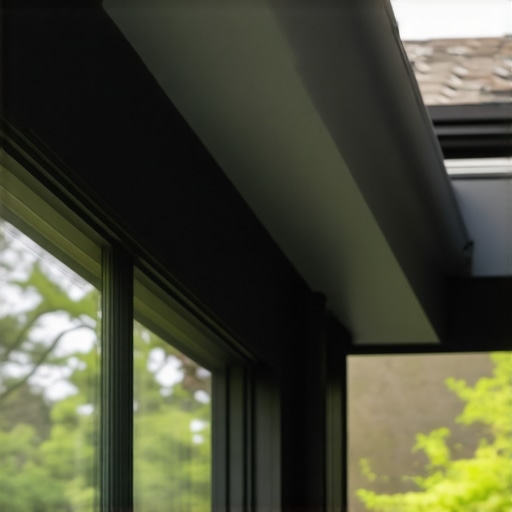
Visualize a seamless gutter system fabricated from bio-composite materials, eco-friendly and engineered for longevity, adaptable to diverse architectural contexts.
Reimagining Design Flexibility Through Material Evolution
Material science breakthroughs unlock unprecedented flexibility in system architecture, fostering innovative design solutions that challenge conventional limitations. Engineers can now craft complex geometries, including tapered fittings, integrated slope modifiers, and modular segments, all achievable with composite materials that exhibit superior moldability and structural integrity. This flexibility facilitates customized solutions that optimize water flow, reduce installation time, and enhance aesthetic integration with modern architectural styles. As a result, homeowners gain systems that are both highly functional and visually harmonious.
Anticipating Climate Chaos with Resilient System Architectures
Resilience against climate-induced stressors necessitates a paradigm shift in system design. The integration of high-performance, fatigue-resistant materials enables gutters and drainage channels to endure dynamic temperature fluctuations, intense storms, and floodwaters without warping or cracking. For example, advanced polymer composites with embedded UV stabilizers maintain their integrity over decades, even when subjected to relentless solar exposure. Strategic layering of protective coatings further enhances resistance, ensuring the system continues to operate effectively under extreme conditions. This foresight minimizes costly repairs and maintains property integrity in the face of climate volatility.
Innovating Maintenance Through Smart Material Technologies
The fusion of material science with digital technology introduces smart materials capable of self-diagnosing wear and tear. Embedded sensors within composite gutters can monitor structural health, detecting early warning signs such as micro-cracks or corrosion initiation. These intelligent systems can communicate with homeowners or maintenance services, triggering preemptive repairs before failures occur. Such proactive strategies significantly reduce downtime and repair costs, extending the functional lifespan of water management systems. For those eager to harness these innovations, consulting specialists in smart infrastructure ensures optimal integration tailored to unique property needs.
Driving Durability with Material-Enhanced System Designs
Combining resilient materials with innovative design techniques results in holistic solutions that stand the test of time. Reinforced joints, hidden fasteners, and seamless transitions—crafted from high-strength composites—eliminate weak points prone to deterioration. These design features, enabled by material advancements, not only augment system longevity but also simplify maintenance routines. Engaging with professionals experienced in material-enhanced design ensures that systems are optimized for both durability and performance, embodying a forward-thinking approach to property water resilience.
Harnessing Data for Predictive System Upkeep
Integrating sensor data analytics with material durability insights creates a predictive maintenance ecosystem. Continuous monitoring of stress metrics, flow rates, and environmental conditions facilitates timely interventions, preventing catastrophic failures. The reliability of these systems hinges on selecting materials with predictable degradation patterns and compatibility with sensor technologies. According to industry research from the Journal of Water Resources Engineering, synergizing material resilience with data-driven maintenance forms the cornerstone of future-proof water management. Interested stakeholders should consider pilot programs to evaluate these integrated approaches tailored to their specific environments.
Are you prepared to elevate your property’s resilience through the strategic integration of revolutionary materials and intelligent technologies? Reach out to our specialists for tailored insights that blend innovation with practicality, ensuring your drainage system withstands the test of time and climate.
Expert Insights for Future-Ready Water Management
Prioritize Material Resilience to Combat Climate Extremes
Choosing high-performance, corrosion-resistant materials such as fiber-reinforced polymers or bio-composites is essential for enduring water management systems. These materials withstand UV exposure, mechanical stresses, and saltwater corrosion, significantly extending system lifespan.
Integrate Smart Monitoring to Anticipate Failures
Embedding sensor technology within gutters and drainage channels allows real-time health assessments, enabling preemptive maintenance and reducing unexpected breakdowns. This proactive approach leads to cost savings and enhances system reliability.
Design with Flexibility in Mind to Adapt to Changing Conditions
Implement modular, seamless components that facilitate easy upgrades and modifications. Flexible designs accommodate evolving climate patterns and architectural changes, ensuring sustainable performance over decades.
Valuable Resources to Deepen Your Understanding
- Journal of Water Resources Engineering – Scientific research on advanced materials in water infrastructure.
- Green Building Forum – Insights into integrating smart technology for water management.
- Environmental Science – Discussions on sustainable materials for drainage systems.
Reflections on Shaping Resilient Water Systems
Harnessing material innovation and intelligent monitoring reshapes how we approach gutter and drainage durability. For experts and owners committed to safeguarding properties amidst climate unpredictability, evolving technologies offer promising avenues. If you aim to pioneer resilient water management solutions or contribute insights from your experience, engaging with the latest studies and professional networks will keep you at the forefront. Embrace these advancements to build systems that are not only durable but also adaptable to the uncertainties ahead.