The Cost of a Half-Inch: Why Your Gutters Are Failing Before the Rain Even Starts
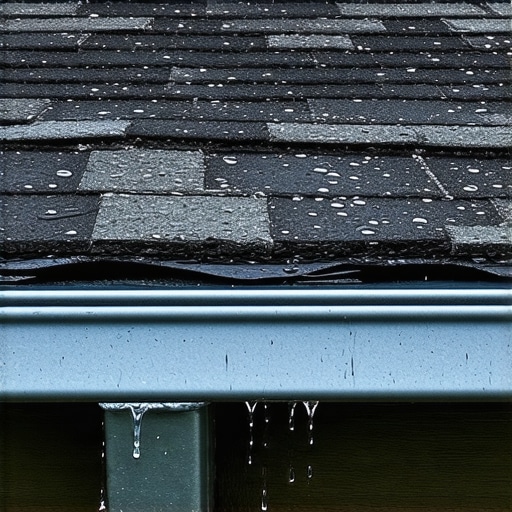
Twenty-five years in the trenches of the gutter industry has taught me one universal truth: water is a patient assassin. It doesn’t need a massive hole to destroy your home; it just needs a path. I remember walking a property in coastal Georgia where the homeowner was convinced their whole-house gutter systems were defective. The foundation at the northwest corner had settled nearly three inches, causing a structural crack that you could fit a deck of cards into. The culprit wasn’t a clog or a broken leader box gutter. It was the shingles. They had been trimmed flush with the fascia, allowing surface tension to pull every drop of rainwater behind the gutter and directly onto the wooden sub-structure. Five years of that ‘minor’ mistake resulted in a thirty-thousand-dollar foundation repair bill. This is what happens when people treat guttering as an afterthought rather than a critical component of hydraulic engineering.
The Physics of the Overshoot: Surface Tension and Shingle Overhang
Most roofing crews are great at laying felt and nailing shingles, but they often lack an understanding of fluid dynamics. When rain hits your roof, it gains velocity. As it reaches the edge, the shingle should ideally overhang the drip edge by about 3/4 of an inch. If it’s too short, water follows the underside of the shingle back toward the house via capillary action. If it’s too long, especially on high-pitch roofs during a tropical downpour, the water gains so much momentum it shoots right over the top of a standard 5-inch gutter. This ‘overshoot’ bypasses the system entirely, eroding your landscaping and saturating the soil around your footings. In the South, where we deal with ‘gully washers,’ this volume of water is catastrophic. This is why commercial flat roof gutters and roof scupper drains are designed with much larger apertures; they have to handle the sheer cubic volume that residential systems often fail to manage.
“Downspouts shall be sized based on the rainfall intensity of the region and the roof surface area.” – International Plumbing Code, Section 1106
Hydro-Zooming: Why Surface Tension Screens Aren’t Always the Answer
Let’s talk about surface tension screens. The theory is sound: water clings to the curved front of the guard and drops into the trough, while debris shoots off the edge. However, the physics change when you factor in ‘viscosity hurdles’ like pollen, oak tassels, or roof granules. When these micro-debris particles coat the screen, they break the surface tension. Instead of the water following the curve into the gutter, it simply sheets off the front like a waterfall. I’ve replaced hundreds of these ‘high-end’ systems with gutter installation services that actually prioritize flow over marketing gimmicks. If you live in a high-wind area, you also have to worry about high-wind gutter anchors. A standard screw won’t cut it when you have sixty feet of aluminum filled with water vibrating in a 70-mph gust. You need anchors that penetrate the rafter tails, not just the thin fascia board.
[IMAGE_PLACEHOLDER_1]
The Structural Integrity of Tile and Heavy Loads
If you have a Mediterranean or Spanish-style home, tile roof gutter support is a completely different animal. You can’t just slap a standard bracket onto the fascia and hope for the best. Tile roofs shed water differently and they are incredibly heavy. If your gutters aren’t braced to handle the weight of both the water and the potential debris load, the whole system will sag, ruining your pitch. A gutter must have a consistent slope of at least 1/4 inch per 10 feet toward the leader (downspout). Without this, you get standing water. Standing water leads to mosquito breeding grounds and the premature failure of the end cap seals. When I perform a drainage hierarchy audit, the first thing I check is the elbow fittings replacement history. If the elbows are constantly clogging, it’s a sign the system’s velocity is too low, often caused by improper pitch.
“Gutter hangers shall be spaced at a maximum of 36 inches on center. In areas prone to heavy snow or high winds, spacing shall be reduced to 18 inches.” – SMACNA Architectural Sheet Metal Manual
The Myth of Lifetime Gutter Guarantees
I get grumpy when I see lifetime gutter guarantees. A gutter is a mechanical system exposed to the harshest elements on earth. The aluminum might last fifty years, but the sealants in the miters, the integrity of the hangers, and the splash blocks at the exit points all have shelf lives. True water management requires constant vigilance. If you aren’t checking your pop-up emitters and French drains every spring, you’re asking for a wet basement. Water is looking for the path of least resistance, and if that path leads into your crawlspace because of a poorly installed high-flow downspout, it will take it every single time. Don’t fall for the ‘maintenance-free’ trap. Even the best whole-house gutter systems need an inspection to ensure the soffit isn’t showing signs of water staining, which is a primary indicator of gutter bypass.
Final Audit: Protecting the Foundation
At the end of the day, your gutters are the most important part of your roof. A roof protects the attic, but the gutters protect the entire structure. If you see ‘tiger striping’ on the front of your gutters, that’s a sign of overflow and bypass. If you see daylight between the fascia and the gutter back, your hangers have failed. And if your shingles don’t have that perfect 3/4-inch ‘kick’ over the edge, you are slowly rotting your home from the outside in. Keep your leaders clear, ensure your miters are sealed with high-grade tri-polymer, and never, ever trust a ‘spike and ferrule’ installation. They pull out, they rust, and they are the hallmark of a cheap, amateur job. Invest in seamless aluminum with heavy-duty internal brackets, and you might just keep your foundation where it belongs: solid and dry.