The Chemistry of a Phantom Leak: Why Small Holes Do the Most Damage
As a veteran of more than two decades in the gutter and exterior drainage business, I have seen tiny, pinhole-sized leaks cause more structural devastation than a complete gutter collapse. When a run of gutter falls off a house, you notice it immediately and fix it. But a pinhole leak? It works in secret. Day after day, water drips directly onto your wood fascia board, seeps behind the soffit, and slowly rots the structural rafter tails of your home. By the time you notice the damp smell or the peeling paint, you are looking at thousands of dollars in structural repairs. To prevent this, we use a specialized diagnostics approach called the Soap Test to pinpoint the micro-leaks that standard inspections miss.
I walked around a house in Ohio where the corner of the foundation had sunk two inches. Why? A single disconnected downspout joint and a pinhole leak at the end cap had been dumping a slow, steady stream of water directly into the clay soil for five years. The homeowner had no idea because the main gutter run looked perfectly fine from the driveway. Water had carved a subterranean path right under the concrete footer, washing away the supporting soil. This is why understanding fluid dynamics and conducting regular, obsessive maintenance on your gutter installation services is so critical.
The Soap Test: How We Hunt for Micro-Fissures
Most homeowners think finding a gutter leak is as simple as looking for dripping water during a storm. The reality is that during a heavy downpour, the sheer volume of water masks small leaks. Wind blows the water back onto the fascia, and surface tension keeps it clinging to the underside of the aluminum. To find the true culprits before they rot your home, we use a professional diagnostic technique called the Soap Test. Here is how we do it:
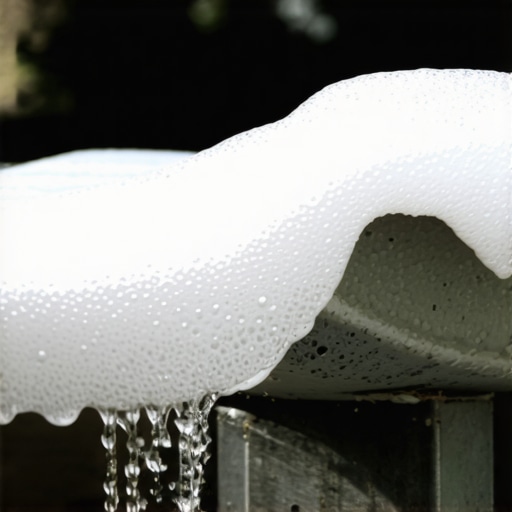
First, we clean the gutter channel thoroughly using vacuum gutter extraction to remove all organic silt, decomposed leaf matter, and shingle grit. Once the bare metal or vinyl is exposed, we block the downspout opening with a temporary expansion plug. We then mix a highly concentrated solution of biodegradable dish soap and water. Using a soft-bristle brush, we paint this soapy solution generously over every seam, miter corner, expansion joint, and hanger attachment point inside the channel. Finally, we introduce a low-pressure stream of air from a specialized blower against the exterior seams. If there is a pathway, no matter how microscopic, it will push air through the liquid soap and produce a cluster of growing bubbles on the opposite side. This is the exact same principle gas line technicians use to find leaks, and it works flawlessly on aluminum seams.
blockquote>”Standing water in gutters is a primary contributor to structural rot and vector-borne disease. Gutters must be installed with a continuous, positive slope toward the downspout assembly to ensure complete drainage.” – International Building Code (IBC), Section 1503
The Mechanics of Slope and Structural Support
A gutter is not a passive decoration; it is an active water highway. When we engineer flood prevention gutters, we must design them to handle the specific volume of water common to your region. In areas prone to sudden heavy downpours, water moves with immense velocity. If your gutter system lacks the proper pitch, water pools. Standing water is heavy; a single gallon of water weighs 8.34 pounds. If you have a fifty-foot run of gutter with a sag, you are hanging hundreds of pounds of dead weight from your fascia boards.
Cheap installations utilize spikes and ferrules, which inevitably pull out of the wood under this weight. We utilize heavy-duty hidden hanger systems spaced exactly every 18 inches. These hangers screw directly through the back of the gutter, through the fascia, and deep into the structural rafter tails. This structural integrity is critical when dealing with architectural challenges like church steeple gutters or deep-set eaves, where water accumulates rapidly and must be directed efficiently to the ground level.
The Role of Downspouts and Leader Boxes
Finding the leak in the gutter channel is only half the battle. You must also ensure the water is evacuated from the roofline fast enough to prevent overflow. Standard residential downspouts are often too small to handle torrential rains, causing water to back up and spill over the rear wall of the gutter directly onto your wooden structural elements. This is where upgrading to round downspout services and installing leader box gutters can save your home.
“Storm water drainage systems shall be designed to clear the maximum projected rainfall rate of the local geographic area to prevent structural overload.” – SMACNA Architectural Sheet Metal Manual, 7th Edition
A leader box acts as a collection hopper, breaking the surface tension of the rushing water and utilizing gravity to pull it down the spout faster. It prevents the air-locking effect that can occur inside standard downspouts during extreme storms. When combined with professional coping cap alignment on parapet walls, you create a seamless water-shedding system that keeps the interior of your walls completely dry.
Modern Upgrades: Color-Matched and Long-Lasting Systems
Once we identify and seal leaks with high-grade elastomeric sealants, we often discuss long-term prevention strategies with homeowners. Installing color-matched gutters ensures that your water management system blends perfectly with your home’s trim, preserving its curb appeal while providing elite protection. For homes surrounded by heavy tree canopies, we recommend incorporating reverse curve guards. These guards utilize surface tension to direct water into the gutter channel while casting leaves and debris over the edge, preventing the clogs that cause water to pool and corrode seams in the first place.
The Drainage Hierarchy Checklist
- Diagnostic: Conduct a professional Soap Test at least once every two years to catch seam failures early.
- Slope: Verify a minimum slope of 1/4 inch for every 10 feet of gutter run toward the downspouts.
- Hangers: Replace failing spikes with heavy-duty hidden hanger systems to prevent sagging and pulling.
- Sizing: Upgrade to high-capacity round downspouts if your gutters overflow during normal storms.
Your roof protects you from above, but your gutter system is what protects the foundation below. By paying attention to the small details, conducting precise testing, and investing in heavy-duty components, you can ensure your home stays dry, stable, and safe for decades to come.