The Anatomy of an Insurance Claim: Beyond the Surface Damage
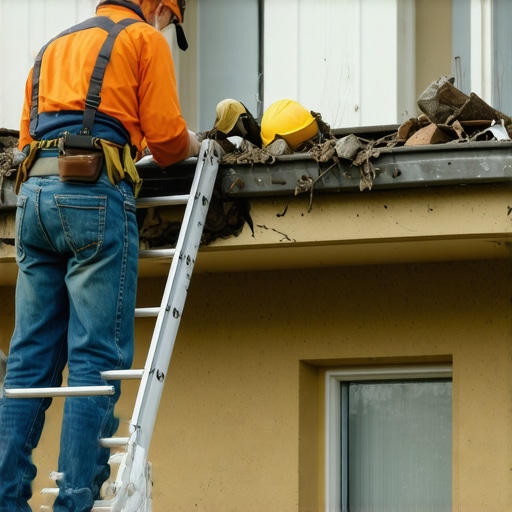
When the clouds break and the wind dies down after a significant weather event, most homeowners walk outside and look at their shingles. They are looking for the obvious: missing tabs, hail bruising, or a fallen limb. But as a specialist who has spent over twenty-five years engineering water management systems, I can tell you that the insurance adjuster is looking at something entirely different. They are looking at your gutters, and they aren’t just checking if the metal is dented. They are looking for evidence of maintenance or, more importantly, the lack thereof. I remember a specific case in Charlotte after a massive tropical depression rolled through. I walked a property with an adjuster where a massive section of the foundation had shifted nearly three inches following the storm. The homeowner was convinced the sheer volume of rain caused it. I pointed to the corner where a 3×4 leader had been disconnected for years, evidenced by the deep scouring in the soil and the old rust on the screws. The adjuster didn’t see storm damage; he saw a decade of neglect. That single disconnected downspout was the reason the claim was denied. Water is a patient killer, and a major storm simply accelerates the execution of your home’s structural integrity.
The Physics of Water Velocity and Proper Pitch
In the trade, we don’t just talk about gutters; we talk about hydraulic capacity. During a ‘gully washer,’ the velocity of water moving off a steep-pitch roof is staggering. If your gutters are not installed with a precise slope of 1/4 inch for every 10 feet of run, that water does not flow; it pools. Standing water is heavy. A standard 5-inch K-style gutter full of water weighs about 8 pounds per linear foot. Add in some organic sludge, and you have a recipe for mechanical failure. Adjusters look for ‘bowing’ in the gutter line. If they see the metal sagging between hangers, they know the system was overloaded long before the storm hit. We use custom gutter fabrication to ensure that the miters are tight and the runs are perfectly calibrated to the specific footprint of the house. A common mistake is using generic, pre-cut sections from a big-box store. These sectional systems rely on caulking at the seams, and as someone who has repaired thousands of them, I can tell you that those seams always fail. When an adjuster sees a leak at a seam, they mark it as wear and tear, not storm damage.
“Downspouts shall be sized based on the rainfall intensity of the region and the roof surface area.” – International Plumbing Code, Section 1106
Hidden Hanger Systems vs. Outdated Fasteners
One of the first things I check when I’m called out for an audit is how the gutters are actually attached to the fascia. The old-school method used spikes and ferrules. These are essentially giant nails that go through the front of the gutter, through the back, and into the wood. Over time, the expansion and contraction of the metal pulls those spikes out. Once they start to wiggle, water follows the spike into the wood, causing the fascia to rot from the inside out. In a major storm, a spike and ferrule system is a liability. The wind gets behind the gutter and literally peels it off the house. This is why we insist on hidden hanger systems. These brackets clip into the front lip of the gutter and are screwed directly into the rafter tails. They are invisible from the ground, providing a clean aesthetic that complements modern bold color gutter trends. More importantly, they provide ten times the pull-out resistance. If an adjuster sees that your gutters were ripped off because of old, loose spikes, they might argue the system was already failing. However, if a hidden hanger system fails, it’s a clear sign of an extraordinary weather event.
The Critical Role of Sump Pump Linkage
In many modern homes, exterior drainage is an integrated ecosystem. This includes the sump pump linkage. I have seen countless basements flood because the homeowner’s sump pump was working overtime to push water out, only for that water to be dumped right next to the foundation because the external drainage pipe was clogged with debris. When we design a system, we ensure the sump pump discharge is tied into a dedicated underground line that carries the water at least twenty feet away from the structure. This line often terminates in rock splash blocks or a pop-up emitter. During an inspection, an adjuster will check the sump pump linkage to see if it contributed to foundation saturation. If your gutters are overflowing because they haven’t had a proper roof gutter sweeping, and that water is falling into the same area where the sump pump is trying to discharge, you are essentially creating a closed loop of destruction. The water goes down the foundation, into the sump pit, gets pumped out, and then flows right back down. It is a mechanical failure that can be avoided with proper site engineering.
“Gutter systems must be designed to withstand the maximum expected dead load of water and debris while maintaining a positive slope toward the discharge points.” – SMACNA Architectural Sheet Metal Manual
Advanced Finishes and Environmental Hazards
The durability of your water management system is also tied to its finish. We are seeing a major shift toward powder-coated gutter finishes. Unlike traditional spray-painted aluminum, powder coating involves an electrostatic process where the finish is baked on. This creates a hard, non-porous surface that resists the acidic nature of decomposing oak leaves and bird droppings. From an insurance perspective, these finishes are much more resilient to hail. While standard aluminum might show every ‘peppering’ from a hail storm, powder-coated surfaces often remain unscathed. However, on older homes, we have to be extremely careful with lead paint gutter abatement. If you are replacing old gutters on a house built before 1978, the fascia board likely has layers of lead-based paint. Simply ripping off old gutters can release toxic dust into the soil. A professional team knows how to manage lead paint gutter abatement by properly containing the area and using HEPA-filtered tools to ensure the property remains safe for the family and the environment. Adjusters often overlook this, but a homeowner’s liability can be massive if lead contamination is found after a sloppy installation.
Winterization and Internal Protection
In colder climates, the adjuster’s focus shifts to ice. Gutter winterization is not just about cleaning out the leaves; it is about ensuring the system can handle the weight of snow and the expansion of ice. This is where foam gutter inserts or heated cables come into play. While I am generally not a fan of most guards, certain foam gutter inserts can prevent the ‘ice bridge’ from forming, which allows water to flow under the snow pack rather than over the edge of the gutter. If an adjuster sees ‘tiger stripping’ on the front of the gutter, they know it has been overflowing for a long time. These vertical black streaks are caused by water carrying pollutants over the edge of the metal. It’s a telltale sign that the system is undersized or clogged. During the winter, this overflow turns into massive icicles that can weigh hundreds of pounds, eventually pulling the soffit and fascia away from the rafters. A properly winterized system with clear leaders and end caps will survive a blizzard, whereas a neglected one will be in the yard by April.
The Verdict: Maintenance is the Only Insurance
At the end of the day, an insurance adjuster is a professional skeptic. Their job is to distinguish between ‘Act of God’ damage and ‘Act of Neglect’ damage. By investing in custom gutter fabrication, high-quality hidden hanger systems, and regular roof gutter sweeping, you are providing yourself with a documentary trail of care. You should also consider the aesthetics; the current bold color gutter trends allow you to protect your home while enhancing its curb appeal. But don’t let the beauty fool you. Underneath that powder-coated finish must be a system designed for high-flow capacity. Use oversized 6-inch troughs and 3×4 leaders. Ensure your miter joints are sealed with high-grade tri-polymer sealant. Install rock splash blocks at every exit point to prevent soil erosion. Water is the most destructive force your home will ever face. It wants to rot your wood, mold your drywall, and crack your foundation. If you treat your gutters as an afterthought, so will your insurance company. Treat them as the engineered defense system they are, and your home will stand dry for decades.