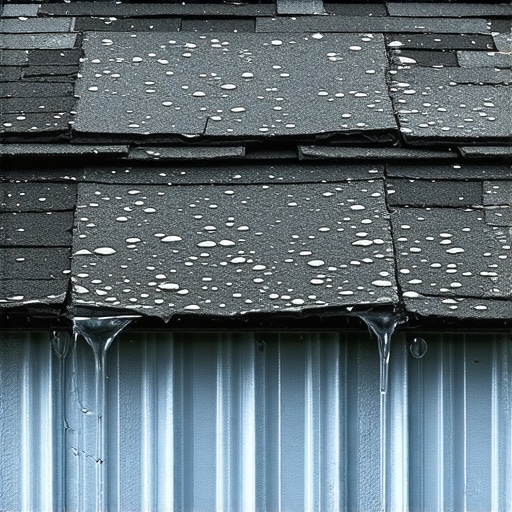
After twenty-five years of staring at rooflines from the top of a thirty-two-foot extension ladder, I can tell you that water is the most patient assassin on earth. It does not need a flood to destroy your home. It just needs a tiny, recurring drip behind your fascia board. I have seen million-dollar estates in the Pacific Northwest where the entire front porch had to be ripped out because of a mistake that happened during the first ten minutes of the roofing job. The culprit was not the gutter itself, but the shingle starter row. This is the foundation of your roof drainage system, and if the overhang is off by even a fraction of an inch, the surface tension of the water will pull it back toward the wood rather than letting it fall into the gutter trough.
The Ghost of the Rotted Fascia: A Narrative Lesson
I remember a project out in a heavily forested valley where the homeowner was complaining about a mystery leak. They had beautiful color-matched gutters that looked brand new. Every time it rained, they saw water running down the siding behind the gutter. They thought the gutters were clogged, but I climbed up and found them crystal clear. The problem was the shingle starter row. The roofer had cut them flush with the drip edge. Because of the Coanda effect, where fluid sticks to a surface, the rainwater was curling around the edge of the shingle and running straight down the fascia board. Over three years, that moisture had turned the fascia into a sponge. I had to perform a total fascia gutter mounting overhaul because the wood was too soft to hold a screw. If that starter row had been extended just three-quarters of an inch past the drip edge, that house would have been bone dry. This is why we obsess over the details of on-site gutter rolling and precise installation.
“Gutter and downspout systems shall be maintained to prevent leakage and avoid damage to the structure or its foundation.” – International Property Maintenance Code, Section 304.7
The Physics of the Drip: Why Surface Tension is Your Enemy
To understand why your gutters are failing, you have to understand hydro-dynamics at a micro level. When rain hits your roof, it gains velocity as it slides down the shingles. As it reaches the edge, gravity wants to pull it down, but surface tension wants it to stick to the shingle. If your starter row is too short, the water velocity slows down at the edge, and the surface tension wins. The water ‘wicks’ backward. This is the primary cause of a sagging gutter fix being needed later on, as the constant moisture weakens the wood where the hangers are driven. We see this often in barn gutter repair where the spans are long and the maintenance is low. People try bamboo gutter alternatives in eco-friendly builds, but if they do not manage that edge transition, the bamboo rots even faster than pine. You need a clean break where the water is forced to drop into the center of the hanger system.
Hydro-Geographic Context: The Forested Canopy Challenge
In areas with heavy tree cover, the problem is compounded by organic debris. When you have pine needles or broad leaves sitting on the edge of your shingles, they act like a bridge. They provide a path for the water to bypass the gutter entirely. This is where the choice of protection becomes critical. Some people swear by helmet-style guards, which use surface tension to guide water into a small slot while deflecting leaves. However, in a heavy downpour, that same surface tension can cause the water to overshoot the gutter entirely. On the other hand, snap-in gutter screens are a budget-friendly option, but they can become ‘matted’ with needles, creating a shelf that sends water over the edge like a waterfall. Matching the guard to your specific tree type is not just a suggestion; it is an engineering requirement for a functional home. I have seen asbestos gutter handling situations in older industrial buildings where the lack of proper edge protection led to hazardous fibers being washed into the soil. You must respect the drainage hierarchy.
The Blueprint for a Permanent Fix
When we perform a water management audit, we look at the Pitch or Slope first. SMACNA standards suggest a specific incline to ensure the leader can handle the volume. If your gutter is dead level, water sits. Standing water leads to rust in steel systems and mosquito breeding in all systems. We use on-site gutter rolling machines to create long, seamless runs of aluminum. This eliminates the miters and seams that are the traditional failure points in sectional vinyl gutters you buy at the big box stores. Vinyl is a joke in professional circles because it expands and contracts so much that the joints eventually fail, leading to those annoying end cap drips.
“Downspouts shall be sized based on the rainfall intensity of the region and the roof surface area.” – International Plumbing Code, Section 1106
Proper hanger spacing is another hill I will die on. The industry standard might be every twenty-four inches, but in snow-heavy or high-rain regions, I move them to every twelve or sixteen inches. A sagging gutter is a dying gutter. Once the pitch is lost, the system becomes a heavy, water-filled anchor pulling on your soffit. We also emphasize professional ladder safety during every install. I have seen too many DIYers try to fix a miter or an elbow while standing on the top rung of a rickety step ladder. It is not worth the hospital bill. Hire a pro who understands how to secure the ladder to the fascia without crushing the new aluminum.
The Verdict on Modern Solutions
If you are dealing with a sagging gutter or a constant drip, check your shingle overhang first. If the shingles are correct, then look at your hangers. If you are replacing the system, go for color-matched gutters that complement the architecture but prioritize the gauge of the metal over the color. A thick .032 gauge aluminum will withstand the weight of a ladder and the pressure of a winter ice dam far better than the cheap stuff. Whether you choose helmet-style guards or simple screens, remember that no system is truly maintenance-free. You are managing a force of nature, and nature always wins if you stop paying attention. Keep your feet dry, keep your foundation solid, and never ignore a drip behind the gutter.