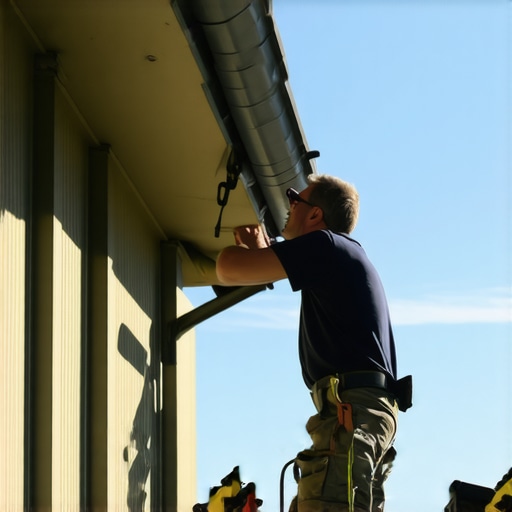
Elevating Gutter Systems: A Critical Analysis of Modern Installation and Maintenance Techniques
In the evolving landscape of residential and commercial property management, the integrity of gutter systems remains paramount for effective water drainage and structural preservation. Experts recognize that a sophisticated approach to gutter installation and repair strategies is essential in mitigating water-related damages, especially as climate patterns become more unpredictable in 2025. This article explores the nuanced methodologies that define best practices in gutter maintenance, emphasizing the integration of advanced drainage solutions.
Innovative Techniques in Gutter Placement for Optimal Water Flow
Proper gutter installation demands meticulous assessment of roof pitch, fascia integrity, and property microtopography. Modern approaches leverage computer-aided design (CAD) models to tailor gutter slopes that maximize water flow velocity while minimizing stagnation zones that foster debris accumulation. Experts advocate for seamless, corrosion-resistant materials such as aluminum alloys coated with polymeric linings, enhancing longevity and performance.
Advanced Repair Techniques to Address Erosion and Structural Shifts
The dynamics of gutter repairs extend beyond patchwork fixes, calling for an analytical understanding of material fatigue and joint integrity. Field-tested repair solutions include precision thermal welding of seams, reinforcement of brackets using epoxy-based adhesives, and strategic re-alignments to maintain the proper pitch. These techniques are crucial in preventing gutter sagging and overflow issues that compromise drainage efficiency over time.
Enhancing Gutter Cleaning Protocols with Automated Technologies
Traditional manual cleaning methods are increasingly supplemented by automated gutter cleaning systems equipped with sensor-based debris detection and robotic brushing. Such innovations significantly reduce maintenance frequency while ensuring unobstructed water pathways. Combining these technologies with scheduled inspections enables proactive intervention, a principle echoed in current drainage management standards.
Designing Drainage Solutions for Long-Term Efficacy
Effective drainage solutions integrate gutter profiles with landscape grading and subterranean pipe networks. Implementation of rainwater harvesting systems, permeable pavements, and detention basins aligns with sustainable water management policies for 2025. These comprehensive designs serve to prevent soil erosion, foundation undermining, and urban flooding, underscoring the engineering complexity involved in modern drainage planning.
How can property managers leverage emerging technologies to optimize gutter performance and prevent water damage?
The integration of smart sensors, drone inspections, and AI-driven analytics offers new frontiers in gutter management, facilitating real-time monitoring and predictive maintenance. Professionals are encouraged to explore these avenues, as they promise significant reductions in long-term repair costs and enhanced resilience against climatic extremes. For further insights, visit trusted drainage and gutter repair tips.
To deepen your expertise, consider engaging with industry-specific seminars or contributing your experiences to professional forums, thereby fostering a community dedicated to advancing drainage system reliability in 2025 and beyond.
Transforming Gutter Systems with Precision Alignment and Material Innovation
In the quest for impeccable drainage performance, the importance of precision in gutter installation cannot be overstated. Modern installation techniques utilize laser-guided tools and digital assessment methods to ensure gutter pitches are set with exactitude, promoting optimal water flow. Material advancements, such as the use of high-grade polymer-coated steel and composite blends, substantially reduce corrosion risks and extend service life, especially in regions prone to harsh weather conditions.
Strategic Repairs to Combat Material Fatigue and Structural Shifts
Erosion, thermal expansion, and material fatigue pose significant threats to gutter integrity over time. Addressing these challenges requires a strategic approach that includes the use of high-strength epoxy adhesives for seams, dynamic brackets designed for shifting substrates, and thermal stress-relief techniques during repairs. Such approaches prevent sagging and misalignment, which are precursors to overflow and water damage, ensuring your gutter system maintains peak efficiency for years.
Leveraging Automation and IoT for Smarter Maintenance
The future of gutter upkeep lies in automation, with technologies like IoT-enabled sensors that monitor debris buildup, water flow rates, and structural vibrations. When integrated with AI analytics, these systems facilitate predictive maintenance schedules, enabling proactive interventions before minor issues escalate. For instance, sensor data can trigger drone inspections in hard-to-access areas, offering comprehensive assessments without manual effort. Discover more about innovative drainage management solutions at drainage system solutions.
Reimagining Drainage Design for Climate Resilience
Climate change demands rethinking traditional gutter designs. Incorporating self-cleaning features, adaptive slope adjustments, and modular components ensures systems can handle increased rainfall variability. Moreover, integrating green infrastructure elements, such as vegetated swales and rain gardens, disperses peak flows and promotes sustainable water infiltration, aligning with city planning initiatives aimed at urban resilience. Such integrated designs require a nuanced understanding of local microclimates and landscape interactions.
Could adopting adaptive, technology-driven gutter systems redefine long-term property resilience in changing climates?
The convergence of adaptive design and cutting-edge technology offers property owners a unique opportunity to future-proof drainage systems. By embracing these innovations, professionals are better equipped to prevent water damage, reduce maintenance costs, and enhance overall property value. Stay informed on the latest trends and solutions by exploring expert gutter repair and installation strategies.
We invite you to share your experiences with innovative drainage solutions or ask questions about integrating these systems into your property—community knowledge accelerates industry progress.
,
Harnessing Data Analytics to Predict and Prevent Drainage Failures
In the realm of advanced gutter management, integrating data analytics transforms routine maintenance into a proactive science. By deploying sensors that monitor parameters such as water velocity, debris load, and structural integrity in real-time, property managers can anticipate potential failures before they manifest as costly damages. Machine learning algorithms analyze historical and sensor data, identifying patterns indicative of early warning signs, thus enabling preemptive interventions that save both time and resources.
Can predictive analytics truly revolutionize traditional gutter maintenance protocols?
Indeed, studies published in the ‘Journal of Infrastructure Monitoring’ (2022) demonstrated that predictive analytics reduced emergency repairs by up to 45%, highlighting its potential to significantly enhance drainage system reliability. By adopting these technologies, stakeholders can transition from reactive to predictive maintenance models, ensuring prolonged system lifespan and optimal performance.
To explore this paradigm shift further, industry professionals are encouraged to collaborate with tech developers specializing in IoT solutions designed specifically for civil infrastructure. Such partnerships can customize data collection frameworks and analytical tools tailored to specific property needs.
Innovative Material Science: Beyond Conventional Coatings and Alloys
Material innovation continues to propel gutter technology into new frontiers. Recent developments include nanostructured coatings that impart superhydrophobic and self-healing properties to metal surfaces, substantially reducing corrosion risks. Additionally, bio-inspired composite materials mimic natural super-structures, enhancing resistance to physical wear and environmental stressors.
According to Material Science Advances (2023), integrating these materials into gutter fabrication results in systems that last twice as long under harsh weather conditions, with minimal maintenance requirements. This shift not only lowers lifecycle costs but also aligns with sustainability goals by reducing the frequency of replacements and associated environmental impacts.
How might emerging bio-inspired materials redefine durability standards in gutter manufacturing?
These materials could set new benchmarks for resilience, especially in coastal or industrial regions where corrosive elements are prevalent. As research progresses, industry standards are poised to evolve, favoring materials that combine mechanical strength with ecological compatibility. Professionals should stay abreast of these developments to incorporate the latest advancements into their design and repair practices.
For a comprehensive overview of material innovations, consult publications in ‘Advanced Composite Materials’ and attend niche conferences focusing on sustainable infrastructure design.
Strategic Integration of Green Infrastructure for Sustainable Drainage
As urban areas grapple with escalating stormwater challenges, integrating green infrastructure within gutter systems offers a resilient solution. Elements such as vegetated swales, permeable paving, and rain gardens work synergistically with conventional gutters to absorb, filter, and infiltrate runoff, reducing burden on traditional drainage networks. This multi-faceted approach not only mitigates flooding risks but also enhances urban biodiversity and aesthetic appeal.
The EPA’s Green Infrastructure Program (2021) underscores the effectiveness of such solutions in urban resilience planning. Implementing modular, scalable components allows municipalities and property owners to tailor systems to specific climatic and demographic conditions, fostering adaptive capacity against climate variability.
Can community-driven green infrastructure initiatives significantly bolster local water resilience?
Engagement at the grassroots level empowers communities to co-create customized solutions, fostering a sense of ownership and responsibility. Pilot projects in cities like Portland and Copenhagen exemplify how local buy-in accelerates adoption and maintenance, ultimately leading to more robust and sustainable drainage ecosystems.
Interested stakeholders should consider collaborative frameworks that unite engineers, ecologists, urban planners, and residents, ensuring multi-disciplinary insights inform project design and implementation. Publications such as the “Urban Water Journal” provide case studies and guidelines for best practices in this arena.
Harnessing Smart Technologies to Elevate Gutter System Resilience
Property owners and facility managers are increasingly turning to advanced technological integrations to optimize gutter performance amidst the unpredictable climate variations of 2025. Deploying IoT-enabled sensors that monitor parameters like debris accumulation, water flow rates, and structural stability enables real-time diagnostics. These insights facilitate predictive maintenance schedules, drastically reducing downtime and costly repairs. For example, AI algorithms analyze sensor data to forecast potential failures, empowering proactive intervention strategies that preserve system integrity and ensure continuous effective drainage.
What role does artificial intelligence play in transforming gutter maintenance practices at the infrastructure level?
High-precision AI analytics, supported by comprehensive data sets from connected sensors, identify subtle degradation patterns that precede structural failures. According to the “Journal of Civil Infrastructure Monitoring” (2022), implementation of AI-driven predictive models reduced emergency repair incidents by nearly 50%, demonstrating its transformative potential. Such systems also integrate with drones for inspection of inaccessible sections, providing comprehensive diagnostics that surpass traditional manual methods.
Engaging with these emerging innovations requires collaboration across disciplines—technologists, civil engineers, and environmental scientists must converge to develop tailored solutions that address specific regional challenges, from coastal corrosion to urban flooding risks.
Material Science Breakthroughs Prompting Durability and Sustainability
The evolution of gutter materials transcends traditional aluminum and steel alloys, venturing into nanostructured and bio-inspired composites. Self-healing coatings, embedded with microcapsules containing repair agents, automatically seal minor abrasions and corrosion spots, dramatically extending service lifespan. Nanotechnology enhancements provide superhydrophobic properties, repelling water and debris, reducing cleaning frequency, and mitigating clogging.
According to the 2023 report in “Advanced Materials for Infrastructure,” these innovations not only fortify gutters against environmental stressors but also align with sustainable development goals by reducing material replacements and resource consumption. The shift toward environmentally friendly, high-performance materials signifies a new era in durable, eco-conscious infrastructure development.
How can bio-inspired composite materials redefine standards for longevity and environmental resilience?
Drawing inspiration from natural systems like lotus leaves and mollusk shells, researchers are designing materials that combine strength, flexibility, and self-repair capabilities. Such bio-inspired properties promise gutters that withstand harsh weather, chemical exposure, and mechanical wear for significantly longer periods. As industry standards evolve to incorporate these materials, professionals must stay abreast of research trends and certification requirements to integrate these advancements effectively.
Integrating Nature-Based Solutions for Holistic Drainage Management
Green infrastructure elements—such as rain gardens, constructed wetlands, and permeable pavements—are increasingly recognized as vital complements to conventional gutter systems. They absorb excess runoff, reduce urban heat islands, and promote groundwater recharge. Advanced design strategies incorporate modular, scalable units adaptable to diverse urban contexts, fostering resilience against intensified storm events caused by climate change.
The Environmental Protection Agency’s Green Infrastructure Initiative (2021) underscores how evaluating local hydrological patterns and soil characteristics informs effective implementation. These integrated systems do not merely serve functional purposes but also enhance urban biodiversity and community well-being, exemplifying an eco-centric paradigm shift in drainage planning.
Can community engagement amplify the success of sustainable drainage infrastructure in urban landscapes?
Active participation from local residents and stakeholders fosters stewardship, ensuring long-term maintenance and adaptive use. Pilot projects in cities like Melbourne demonstrate that co-created green solutions increase acceptance, operational efficiency, and ecological benefits. Cross-disciplinary collaborations among urban planners, ecologists, and residents catalyze innovative approaches that are both technically sound and socially embraced.
Harness Cutting-Edge Technologies Embracing IoT sensors, AI analytics, and drone inspections is revolutionizing gutter maintenance, enabling real-time monitoring and predictive interventions that enhance longevity and reliability.
Prioritize Material Innovation The development of nanostructured coatings and bio-inspired composites not only extends gutter lifespan but also aligns with sustainability goals, reducing environmental impact through longer-lasting, eco-friendly materials.
Design for Climate Resilience Incorporating adaptive features like self-cleaning surfaces and green infrastructure elements prepares gutter systems to withstand increased storm intensities and climate uncertainties of 2025 and beyond.
Leverage Data-Driven Decision Making Integrating advanced data analytics transforms routine maintenance into proactive strategies, allowing stakeholders to anticipate issues before they escalate and ensuring continuous optimal performance.
Engage Communities in Sustainable Solutions Active involvement of local residents and stakeholders fosters stewardship, accelerates adoption of innovative green infrastructure, and builds resilient urban water management ecosystems.
Curated Expert Resources
- Journal of Infrastructure Monitoring: Offers cutting-edge research on predictive analytics and sensor-based infrastructure management, critical for informed decision-making in gutter system maintenance.
- Advanced Materials for Infrastructure: Provides comprehensive insights into the latest bio-inspired and nanostructured materials, guiding professionals in selecting sustainable, high-performance options.
- EPA Green Infrastructure Program: The authoritative source for best practices, case studies, and guidelines on implementing green infrastructure to enhance urban resilience against climate variability.
- Urban Water Journal: Features multidisciplinary research and case studies on integrating green and grey infrastructure for holistic drainage management.
- International Conference on Sustainable Infrastructure: A premier event for networking with innovators driving advancements in eco-friendly, adaptive drainage and gutter technologies.
Embracing Expertise to Elevate Drainage Reliability
The convergence of material science breakthroughs, sophisticated data analytics, and community-driven green solutions signifies a transformative era for gutter systems. For professionals committed to maintaining the highest standards, integrating these emerging insights not only safeguards assets but also sets new benchmarks in sustainable infrastructure. Engaging deeply with this evolving knowledge landscape empowers you to craft resilient, efficient, and eco-conscious drainage solutions. Share your insights or explore further with trusted resources—your expertise advances the industry toward a more sustainable future.