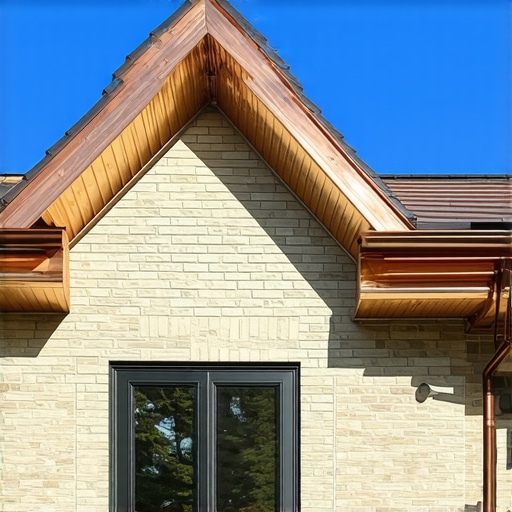
The Hidden Equity in High-End Water Management
Most homeowners view gutters as a nuisance, a thin strip of aluminum that occasionally needs the leaves raked out of it. As a specialist with over two decades in the drainage trenches, I look at your roofline differently. I see a critical hydraulic system designed to manage thousands of gallons of runoff. When we talk about copper gutter installation, we are not just talking about curb appeal; we are talking about a permanent architectural upgrade that fundamentally alters the valuation of a property. Copper is the only material that transitions from a functional necessity to a luxury asset, and the resale market recognizes that distinction with cold, hard cash.
I remember a project three years ago in a historic neighborhood where a stunning colonial home was struggling to sell. The issue was not the interior or the landscaping. It was a series of unsightly, leaking vinyl gutters that had caused a dark, damp stain on the foundation stone. The potential buyers saw that stain and smelled a basement mold problem that did not even exist. We came in, performed a complete old gutter demolition, and replaced the system with 16-ounce half-round copper gutters using heavy-duty brass hangers. We integrated a custom gutter apron installation to ensure no water could ever bridge the gap between the drip edge and the fascia board. Within two weeks of the upgrade, the house sold for $15,000 over the previous asking price. The buyers specifically cited the ‘lifetime drainage system’ as the reason they felt confident in the home’s structural integrity.
The Engineering of Copper vs. Conventional Materials
To understand the value, you have to understand the physics of the material. Aluminum and vinyl are subject to extreme thermal expansion. In a single day of temperature swings, a sixty-foot run of aluminum can expand and contract by half an inch. This movement puts immense stress on the sealants at the miters and end caps. Over time, those seals fail. Copper, when installed by a professional who knows how to solder, becomes a monolithic structure. We don’t use caulk. We use heat and lead-free solder to fuse the metal. This creates a joint that is actually stronger than the surrounding material. When an appraiser walks a property, they look for longevity. A copper system is a hundred-year solution. It does not rust, it does not rot, and it develops a protective patina that shields the metal from the elements.
“Downspouts shall be sized based on the rainfall intensity of the region and the roof surface area.” – International Plumbing Code, Section 1106
In regions where snow and ice are the primary enemies, copper offers another massive advantage. In the North, ice dams are a foundation killer. The weight of a frozen gutter can exceed several hundred pounds, easily pulling standard spikes and ferrules out of the fascia. We solve this by ensuring proper hanger spacing every twelve inches and often integrating heated gutter cables directly into the copper troughs. Copper conducts heat far better than aluminum, meaning those cables work more efficiently to keep the leaders clear and the water flowing even in sub-zero temperatures. This level of foresight in water management is exactly what high-end home buyers are looking for when they evaluate a premium listing.
Integrating Architectural Precision: Beyond the Trough
A true drainage authority does not stop at the gutter. To maximize resale value, the system must be integrated into the architecture of the house. This includes gravel stop integration on flat roof sections and meticulous coping cap alignment along parapet walls. These are technical details that prevent water from infiltrating the building envelope at its most vulnerable points. If you have a flat roof transition, a scupper installation is often necessary to move large volumes of water off the surface quickly. We don’t just slap a box on the wall; we engineer the flow velocity to ensure that during a torrential downpour, the water is channeled into a 4-inch copper leader and away from the foundation.
Many homeowners also forget about the smaller rooflines. Awning gutter integration is a common oversight. A small porch or window awning can dump enough water to erode a flower bed or crack a walkway over time. By matching these smaller systems with the primary copper run, you create a cohesive aesthetic that screams quality. During the installation process, we use telescopic gutter tools to ensure the pitch is perfect. I have no patience for ‘level’ gutters. A gutter must have a slope of at least 1/4 inch per 10 feet of run. If it is level, it is a birdbath. Standing water leads to mosquito breeding and sediment buildup, which eventually leads to the very clogs you are trying to avoid. When you show a house, a bone-dry, perfectly pitched copper gutter tells the buyer the home has been maintained by a professional.
“Gutter systems must be designed to withstand the dead load of the water and the live load of snow or wind pressure common to the local climate.” – SMACNA Architectural Sheet Metal Manual
Protecting Your Investment with Insurance and Proper Tools
I often assist clients with insurance claim assistance after a major hail storm. Standard insurance adjusters will try to price out a basic aluminum replacement. However, if your home previously had premium materials or if the local building code requires specific upgrades for drainage, you are entitled to a system that maintains the home’s value. Replacing a damaged system with copper is a strategic move. While the initial cost is higher, the ROI is found in the lack of future maintenance and the increased appraisal value. During the demolition phase, we often find rotted soffit boards that have been hidden for years. By addressing these issues and installing a copper system with a proper drip edge, we seal the home against future rot.
Downspout installation is the final, and perhaps most important, piece of the puzzle. Most ‘contractors’ just drop a pipe and put a splash block at the bottom. That is a failure of imagination and engineering. We prefer to tie the copper leaders into a subterranean drainage system or use a decorative copper rain chain that leads to a stone-filled infiltration pit. This keeps the water at least ten feet away from the foundation. For the homeowner looking to sell, this eliminates the ‘swampy yard’ syndrome that kills many deals during the spring thaw. Every detail, from the miter joints to the way the downspout is strapped to the brick, reflects the quality of the entire property. In the world of high-end real estate, copper gutters are the jewelry of the home, but they are jewelry that works for a living.
The Financial Verdict
When you tally the costs, copper is an investment in risk mitigation. You are mitigating the risk of foundation settlement, the risk of wood rot, and the risk of a low-ball offer from a buyer who sees a neglected exterior. By choosing copper, you are signaling that every part of the home has been built to last. From the scupper installation on the balcony to the heated gutter cables in the valleys, a copper system is a testament to the fact that the owner cared about the details. And in real estate, the details are where the profit lives. If you want to increase your resale value, stop looking at your gutters as a commodity and start looking at them as a critical component of your home’s structural legacy.