The Deceptive Drip: Why a Leaky Gutter Outlet is a Structural Emergency
Most homeowners see a small drip coming from the bottom of their gutter outlet and think nothing of it. They assume it is just a minor nuisance, a tiny leak that might wet the flower bed. As a specialist with over two decades in the trenches of exterior drainage, I can tell you that a leaking outlet is the first stage of a foundation heart attack. Water is a patient predator. It does not just fall; it searches for the path of least resistance. When a gutter outlet flange fails, water uses capillary action to crawl behind the fascia board and begin the slow, silent process of rotting your home from the outside in. This guide focuses on fixing that critical failure point without the unnecessary expense of gutter removal services or a total system overhaul.
The Buffalo Foundation Incident: A Lesson in Neglect
I remember a job in Buffalo back in 2012. The homeowner had a beautiful brick colonial, but the northeast corner of the porch was pulling away from the house. A single outlet pipe had a hairline crack in the gutter sealant application from years prior. For three winters, that water dripped directly onto the foundation footer. The hydrostatic pressure from the freeze-thaw cycle eventually cracked the cinder block. They did not need a new gutter; they needed a five-dollar tube of sealant three years earlier and a specialist who knew how to apply it. The cost of their foundation repair was nearly twenty times the price of a proper gutter installation. This is why we obsess over the details of every leader and every miter.
“Downspouts shall be sized based on the rainfall intensity of the region and the roof surface area.” – International Plumbing Code, Section 1106
The Physics of the Leak: Hydro-Zooming into the Outlet Flange
To fix a leak, you must understand the fluid dynamics at play. As water moves down a 40-foot run of seamless aluminum at a proper pitch of a quarter-inch per ten feet, it gains significant momentum. When this volume hits the outlet pipe, it transitions from horizontal flow to vertical descent. This creates a high-pressure zone right at the flange. If you have composite shingle services, the water also carries mineral granules that act like liquid sandpaper. Over time, these granules erode the sealant around the outlet. Furthermore, if you are in a northern climate, ice dam prevention becomes a factor. Water trapped at the outlet freezes and expands, physically prying the metal flange away from the gutter floor. This is not a simple fix; it requires understanding how the gutter apron aluminum interacts with the roof edge to keep water moving forward rather than backward into the soffit.
Why Spike and Ferrule Systems Fail at the Outlet
If your home still uses the old spike and ferrule repair method, you are fighting a losing battle. These spikes are driven through the gutter, through the fascia, and into the rafter tails. As the house shifts and the wood expands with moisture, the spikes pull out. This creates a sagging point, often right near the outlet. When the gutter sags, the pitch is ruined, and water pools around the outlet pipe. This standing water is the primary cause of rust in older steel systems and sealant failure in aluminum ones. Modern water management requires heavy-duty hidden hangers that provide superior tension without penetrating the back of the gutter in a way that invites leaks. In my 25 years, I have seen more damage from a single loose spike than from a hundred storms.
Step-by-Step Restoration: Fixing the Leaky Outlet Pipe
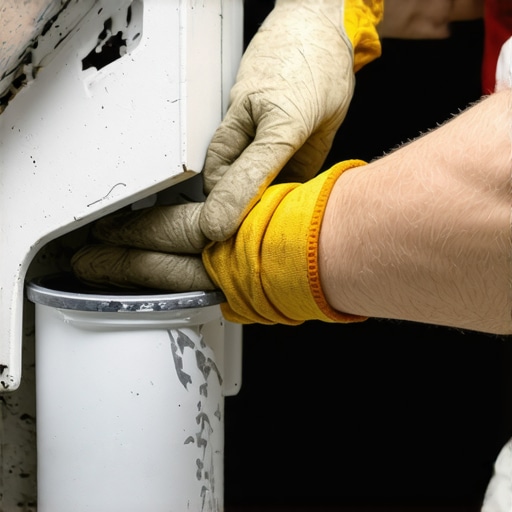
First, we begin with old gutter demolition of the failed sealant. You cannot simply put new caulk over old, gunked-up silicone. It will not bond. You must scrape the area down to the bare metal using a wire brush. This is the part most ‘handymen’ skip because it is tedious. Once the metal is clean, you must check the flange. If the outlet pipe is loose, you may need to use pop rivets to secure it back to the gutter floor before applying any sealant. [image placeholder] This ensures mechanical stability so the sealant only has to worry about being a waterproof barrier, not a structural adhesive. When applying the new gutter sealant application, you want a high-grade tripolymer sealant that can handle extreme UV exposure and the expansion of the metal. If you have solar panel gutter avoidance measures in place, ensure no debris from the panels has created a localized clog that is forcing water over the sides of the outlet.
“All joints and seams in gutters shall be made watertight with solder or sealant as appropriate for the material.” – SMACNA Architectural Sheet Metal Manual
The Role of the Gutter Apron and Ice Dam Prevention
A leaky outlet is often compounded by the lack of a proper gutter apron aluminum. The apron is a metal flashing that tucks under the shingles and over the back edge of the gutter. Without it, water can ‘wick’ back behind the gutter through surface tension. In cold climates, this leads to catastrophic ice dams. If your outlet is leaking, the water can freeze inside the elbow, backing up the entire system. Once the weight of the ice reaches a certain threshold, the entire run can be ripped off the house. This is why we recommend specific ice dam prevention techniques, such as heat cables or increased insulation in the attic, to complement the physical repair of the outlet pipe. A lifetime gutter guarantee is only as good as the physics of the installation.
Dealing with Built-in Gutter Systems and Legacy Hardware
For those with built-in gutter systems, the repair process is even more delicate. These are integrated into the roofline and often lined with copper or lead. A leak at the outlet pipe in these systems can rot the literal framing of the roof. If you are dealing with an older home where the original hardware is failing, do not settle for a quick fix. Proper water management means ensuring the splash block at the bottom of the leader is positioned to move water at least five feet away from the foundation. If the outlet is fixed but the water is just dumping at the base of the wall, you have only solved half the problem. Professional drainage engineering considers the entire path of the drop from the clouds to the groundwater table.
Conclusion: Protecting Your Greatest Investment
Fixing a leaky outlet pipe is about more than just stopping a drip; it is about maintaining the integrity of your home’s envelope. By focusing on the details like proper hanger spacing, high-quality sealant, and the correct use of gutter aprons, you can avoid the high costs of foundation repair and structural rot. Water is relentless, but with the right engineering and a bit of professional obsession, you can keep your basement dry and your fascia firm for decades to come. Never underestimate the power of a well-maintained drainage system. It is the silent guardian of your home’s foundation.