The Hidden War Against Your Foundation
I have spent over twenty-five years in the trenches of the gutter and drainage industry, and if there is one thing I have learned, it is that water is a patient assassin. It does not just fall; it searches for every microscopic weakness in your home. I recently walked a property in Tennessee where the entire north-east corner of the foundation had subsided nearly three inches. The culprit was not a lack of maintenance in the traditional sense, but a fundamental failure in the drainage hierarchy. A decorative conductor head on a steep gable had become a trap for debris, causing water to back up and overflow directly against the foundation wall for a decade. The hydraulic pressure of that saturated clay soil eventually pushed the footer down, leading to a repair bill that would make a grown man weep. This is why you do not just install gutters; you engineer a management system.
The Physics of the Asphalt Shingle Gutter Edge
Most homeowners assume the edge of their roof is where the water stops being their problem, but the asphalt shingle gutter edge is the first point of potential failure. Surface tension, or the Coanda effect, causes water to wrap around the underside of the shingle and run backward toward the fascia board rather than dropping cleanly into the trough. Without a properly installed drip edge or gravel stop integration, that water rots the wooden fascia and invites mold into the soffit. When water bridges that gap, it begins a slow decay of the structural integrity of your roofline. In high-wind scenarios, the water is not just falling; it is being driven by air pressure into the gap between the gutter and the board. We combat this by ensuring the gutter is tucked under the flashing and that the pitch is aggressive enough to keep water moving fast toward the leader.
"The drainage system shall be designed to carry the water away from the structure and to a point of disposal." – International Residential Code (IRC), Section R401.3
The Hydro-Geographic Reality: Volume vs. Flow
In storm-prone regions, the sheer volume of water during a "gully washer" is staggering. A standard 5-inch K-style gutter can handle a decent rain, but in a heavy downpour, the velocity of the water coming off a steep roof creates a "jump." The water moves so fast it shoots right over the front lip of the gutter. This is why we move to 6-inch or even 7-inch systems for whole-house plans. We also look at church steeple gutters and complex rooflines that concentrate massive amounts of water into small areas. These high-volume zones require conductor head services to manage the vertical drop. A conductor head acts like a surge tank, catching the rush of water and allowing air to enter the downspout, which prevents a vacuum lock and speeds up the flow velocity. Without this, the downspout becomes a choke point, and the system fails precisely when you need it most.
The Drainage Hierarchy: Moving Water Away
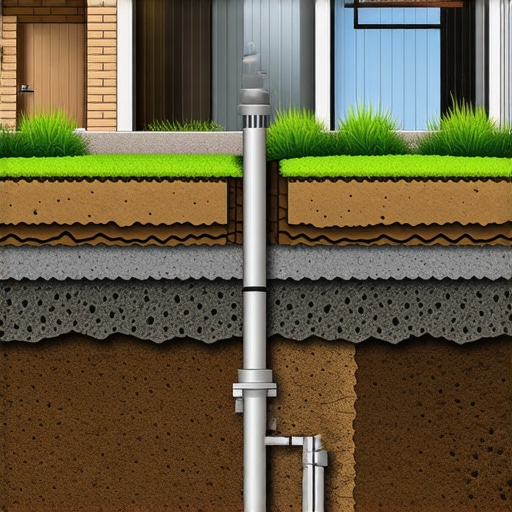
The job is only half done when the water reaches the ground. A splash block is a joke in a serious storm. To truly protect a foundation, you need a plan that moves water at least ten feet away from the footer. This involves the shed gutter systems on the back of the property and the primary house system all feeding into underground lines. We use a combination of 4-inch PVC and pop-up emitters. If you are dealing with heavy tree cover, gutter debris removal becomes a weekly nightmare unless you have the right setup. I am a fan of vacuum gutter extraction for cleaning because it pulls out the fine organic sludge that manual scooping leaves behind. This sludge is what clogs your elbow joints and causes the internal miter to rust out over time. When we provide free gutter quotes processing, we are not just looking at the length of the runs; we are calculating the square footage of the roof to ensure the downspout size can handle the regional rainfall intensity.
"Downspouts shall be sized based on the rainfall intensity of the region and the roof surface area." – International Plumbing Code, Section 1106
Trends and Long-Term Durability
While function is king, homeowners are increasingly interested in bold color gutter trends. Modern finishes allow us to match the drainage system to the architectural trim, making 6-inch industrial-grade aluminum look like a decorative crown molding. However, do not let aesthetics override engineering. I see too many "pretty" installs where the hanger spacing is three feet apart to save money. In snow-heavy climates, that gutter will rip right off the house when the ice builds up. I advocate for hangers every 12 to 16 inches, screwed directly into the rafter tails, not just the fascia. If your current system is sagging or pulling away, gutter replacement services are a necessity, not an option. A failing gutter is worse than no gutter at all because it concentrates the destructive power of water into a single point of failure. Proper water management is an investment in the longevity of your home, ensuring the ground beneath your feet remains dry and stable for decades to come.