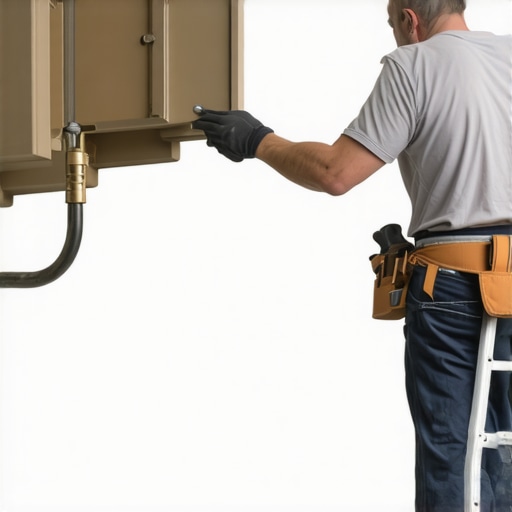
The Anatomy of a Gravity-Induced Disaster
If you see a dip in your roofline or a visible gap between your metal and the wood, you aren’t just looking at an eyesore; you are looking at a ticking time bomb. As a gutter specialist with over a quarter-century in the trenches, I can tell you that water is the most patient assassin in the world. It doesn’t need to break down your door; it just needs a quarter-inch of sag to start rotting your fascia and soffit. When a gutter loses its pitch, the hydro-dynamics of your home’s drainage system flip from a functional leader-based exit strategy to a stagnant, heavy reservoir that puts immense mechanical shear on your mounting hardware.
I remember a specific steel gutter services call in early 2023. The homeowner had a massive 60-foot run on a two-story colonial. During a heavy, wet spring slush storm, the sheer weight of the accumulated ice—which can weigh upwards of 60 pounds per linear foot when fully saturated—overwhelmed the original cheap hidden hangers. Because the previous installer had spaced them every 36 inches instead of the industry-standard 12 to 16 inches for heavy-load zones, the entire run didn’t just sag; it torqued. The miter corners snapped, and the weight literally peeled the fascia board away from the rafter tails. It was a $15,000 repair that could have been prevented by a $200 hanger upgrade. This is why I obsess over high-wind gutter anchors and heavy-duty steel supports.
“Downspouts shall be sized based on the rainfall intensity of the region and the roof surface area.” – International Plumbing Code, Section 1106
The Physics of the Sag: Why 1/4 Inch Matters
In the world of gutter leak repair, the most common culprit isn’t a hole in the metal; it’s the failure of the pitch. We aim for a slope of 1/4 inch for every 10 feet of run. When your hangers fail and that pitch levels out or, heaven forbid, reverses, you create a ‘belly.’ This belly traps organic sludge. Roof gutter sweeping becomes impossible because the debris settles in the standing water, creating a dense, anaerobic mud. This mud adds constant weight, further stretching the hanger until the end cap is under such pressure that the sealant fails. This is where gutter overflow prevention begins—not with a bigger trough, but with a structurally sound support system.
Steel Gutter Services and the Heavy-Duty Reality
For those dealing with extreme weather, steel gutter services are the gold standard. Unlike aluminum, which has a high coefficient of thermal expansion, steel stays rigid. However, that rigidity comes with a weight penalty. If you are working with tile roof gutter support, the stakes are even higher. Tile roofs shed water at a higher velocity and often require custom coping cap alignment to ensure the water doesn’t overshoot the gutter during a heavy downpour. We use high-wind gutter anchors that bite into the structural rafter rather than just the thin fascia board to ensure that even a hurricane-force gust won’t turn your gutter into a projectile.
“The fastener for the gutter shall be of a material compatible with the gutter material to prevent galvanic corrosion.” – SMACNA Architectural Sheet Metal Manual
Modern Solutions: App-Controlled Gutter Heaters and De-Icing
As we look toward 2026, the technology for preventing sag has moved beyond just metal. Gutter de-icing services are now being integrated with smart home tech. App-controlled gutter heaters allow homeowners to monitor the temperature of their leader pipes and miter joints from their phones. When a storm is rolling in, you can pre-heat the gutter bed, preventing the formation of ice dams that cause the heavy loads responsible for most sagging issues. These systems are essential for high-altitude or northern climates where snow load is the primary enemy of the fascia.
Addressing the Niche: Bamboo Gutter Alternatives
While I’m a traditionalist, I often get asked about bamboo gutter alternatives. While environmentally interesting, bamboo lacks the tensile strength and weather-resistance for most high-volume drainage needs. In a structural context, bamboo is prone to splitting when frozen, which leads to immediate gutter leak repair needs. If you are looking for an eco-friendly option, I recommend recycled steel gutter services instead, which provide the longevity and structural integrity required to support app-controlled gutter heaters without the risk of organic decay.
The Specialist’s Checklist for Hanger Replacement
When we perform a hanger replacement service, we don’t just swap out the old parts. We perform a full water management audit. This involves checking the coping cap alignment to ensure water is directed 100% into the system. We then calculate the flow velocity. If your leader (downspout) is too small, the water backs up, adds weight, and creates sag. We often upgrade homes from 2×3 downspouts to 3×4 leaders to handle the increased rainfall intensities we’ve seen recently. Finally, we install high-wind gutter anchors every 12 inches on center, ensuring the pitch stays perfect for the next 30 years. Don’t wait for the fascia to rot. A sagging gutter is a warning sign; ignore it, and your foundation will be the next thing to fail.